
Powered by Linky Tools
Click here to enter your link and view this Linky Tools list…
Once upon a time, the Irish giant Fionn mac Cumhail (Finn MacCool) was challenged to a fight by the Scottish giant Benandonner. Finn accepted the challenge and built a causeway across the sea from northern Ireland to Scotland so that the two giant’s could meet in battle. Fionn crossed the causeway but when he saw how big Benandonner was he fled back home.

Fionn pleaded with his wife, Oonagh, to help him and she told him to get in the baby’s cradle and put on his bonnet. When the giant Benandonner showed up, Oonagh told him that Fionn was not home and it is just her and her “baby”. When Benandonner saw the size of the “baby” he figured that Fionn must be much bigger and he fled back to Scotland destroying the causeway behind him so that Fionn could not follow.

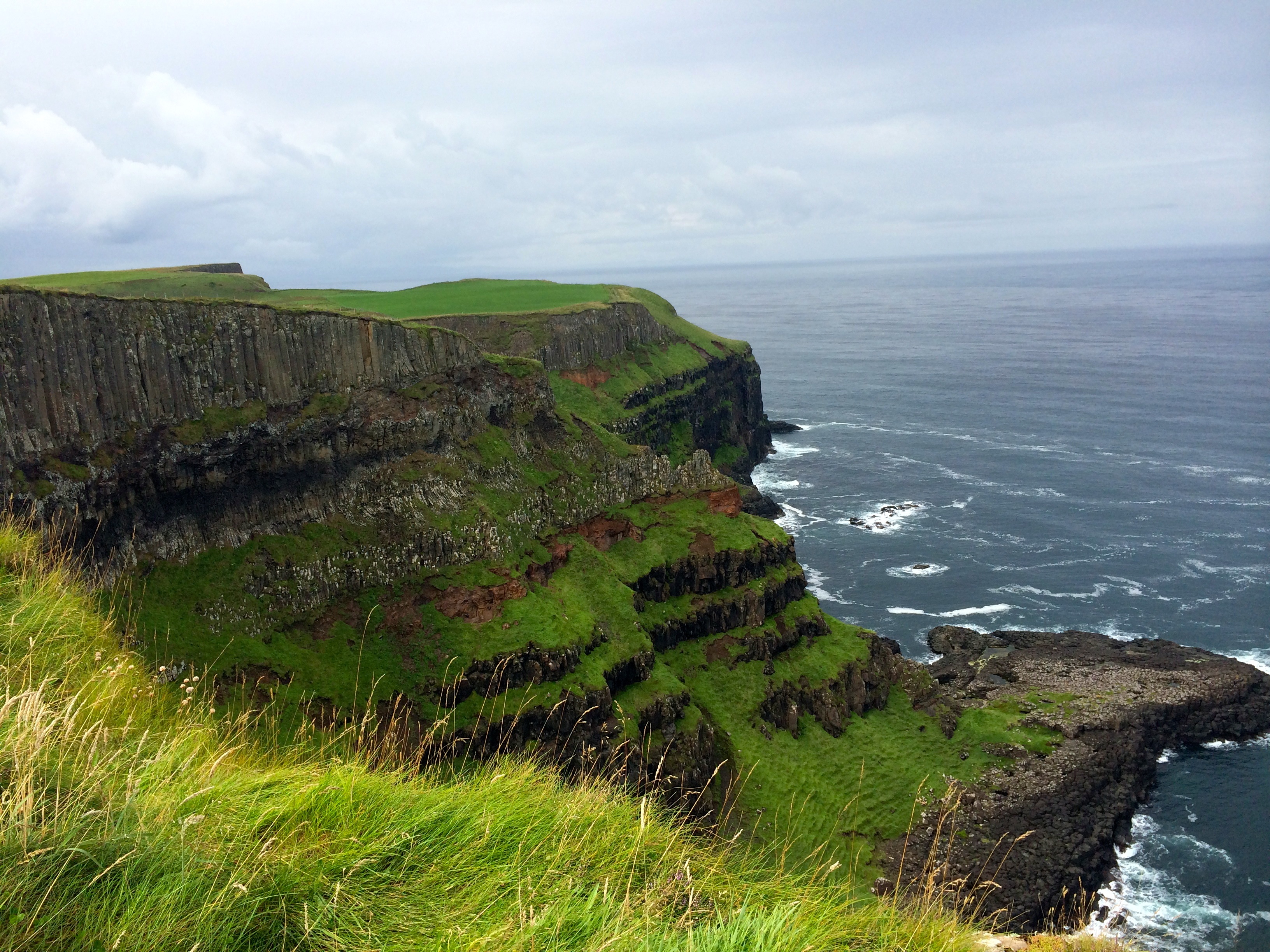
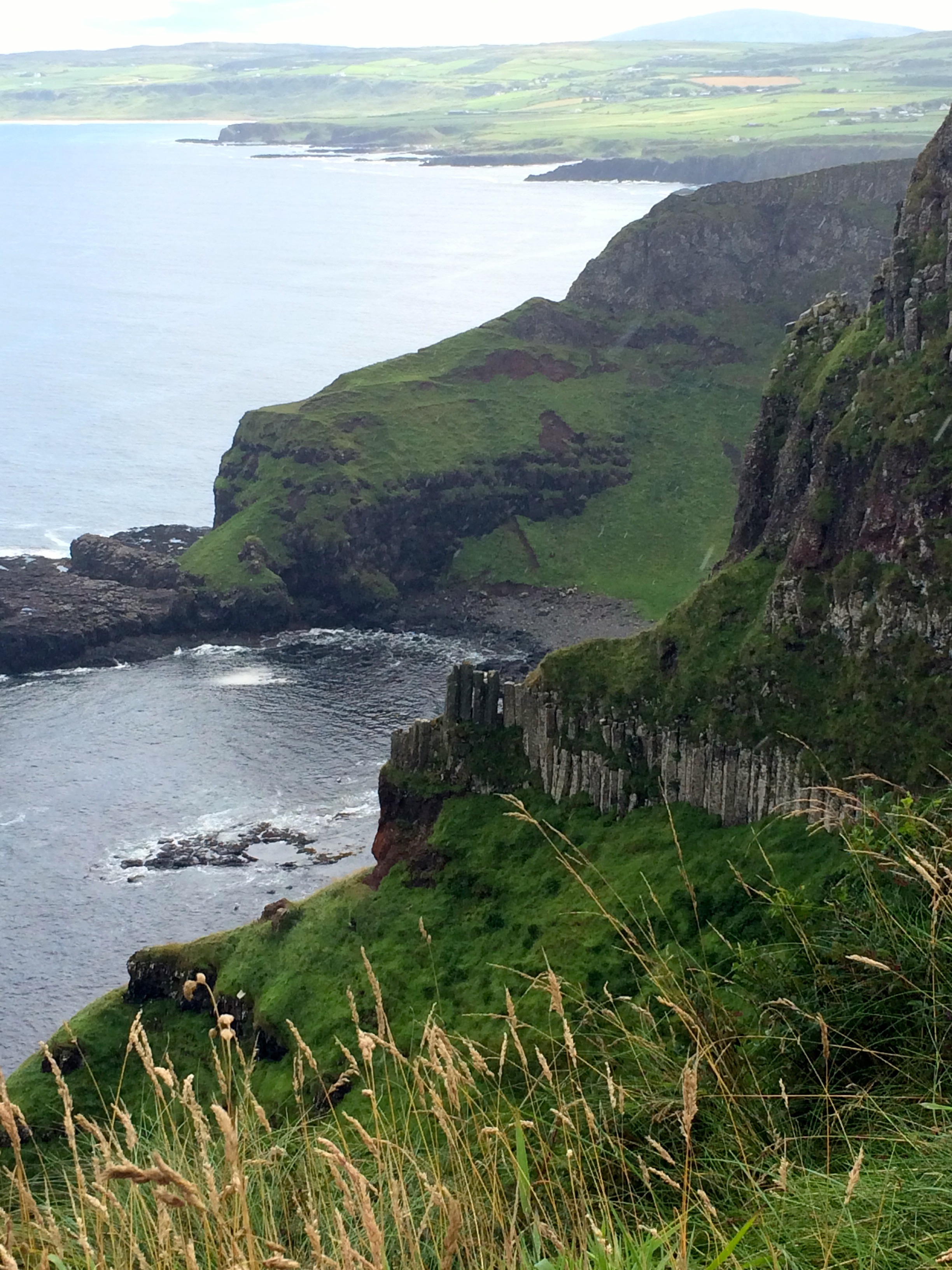
The peaks of rock in the distance are the chimneys of Finn and Oonagh’s home.
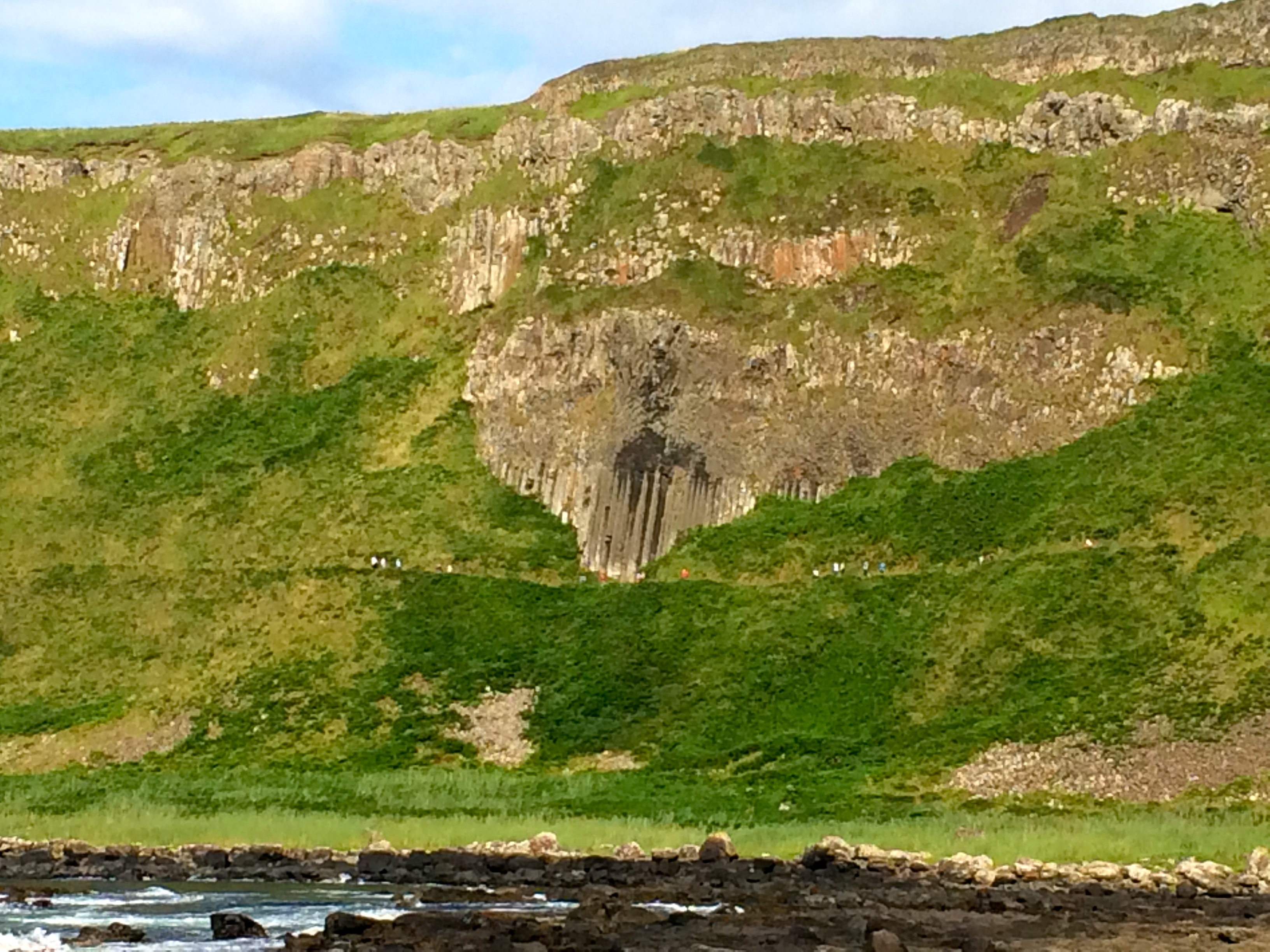
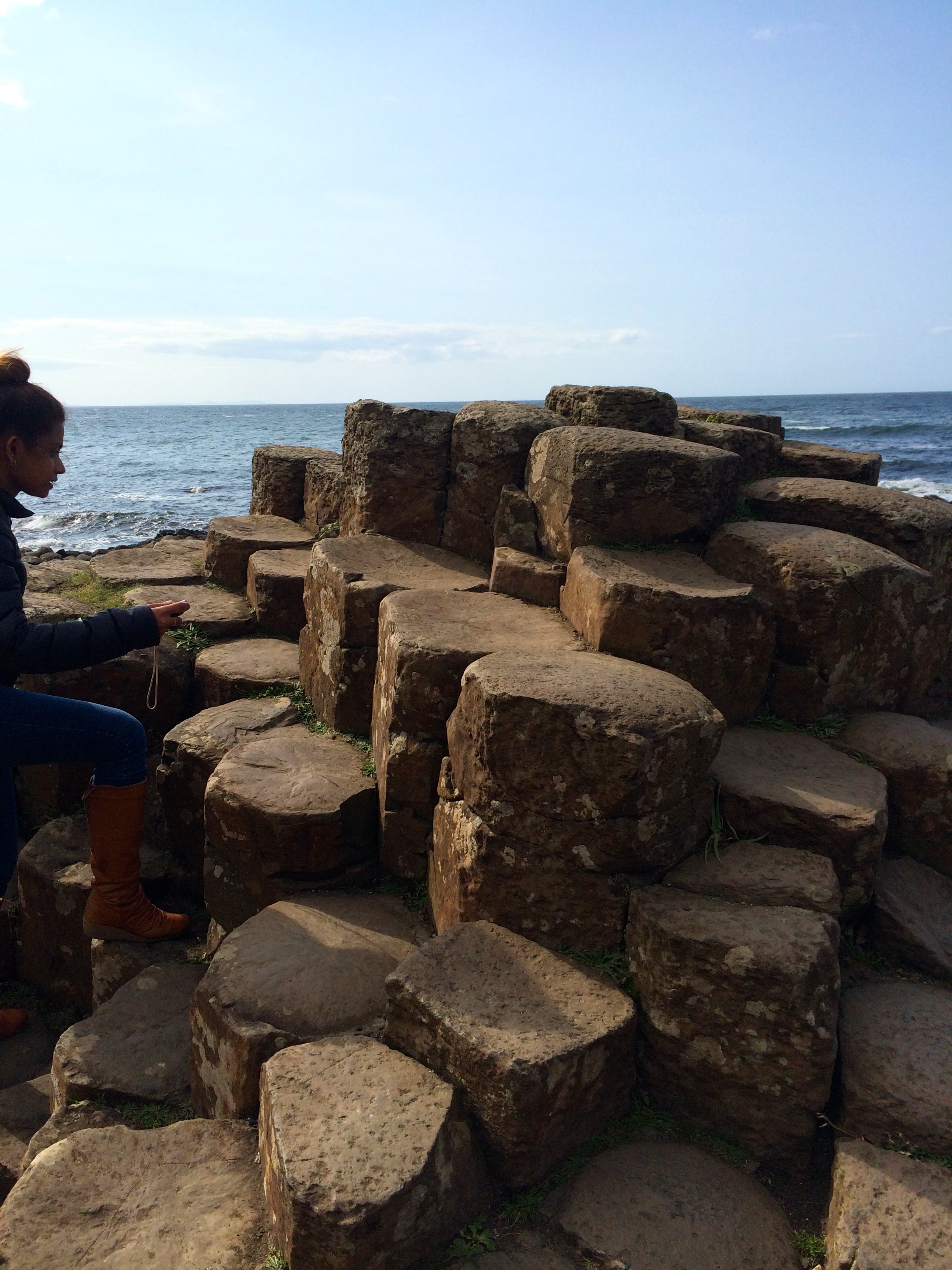
The columns in this picture are known as the Organ Pipes. On them, Fionn played songs written by his son.
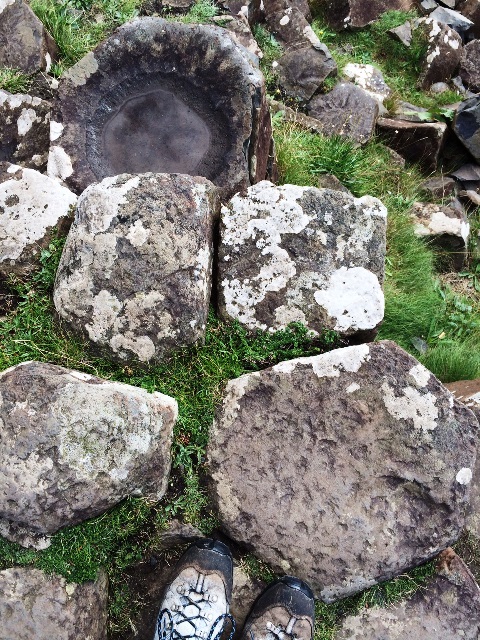
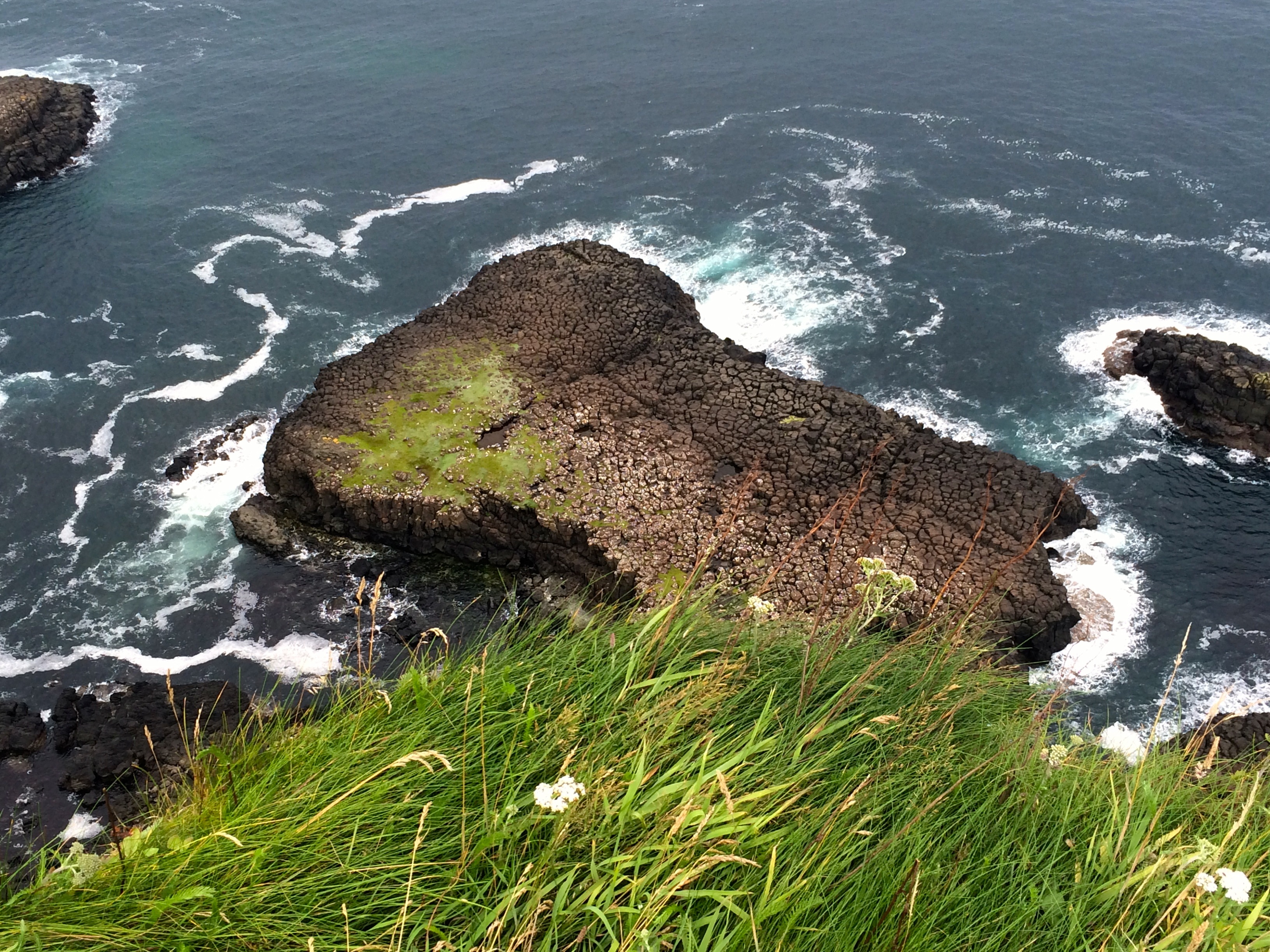 Giant’s Causeway has long been on my list of places to visit. An area of about 40,000 interlocking basalt columns located on the north coast of Ireland, it is the result of an ancient volcanic eruption. Most of the columns are hexagonal, although there are also some with four, five, seven or eight sides. The tops of the columns form stepping stones that lead from the cliff foot and disappear under the sea.The tallest are about 12 metres (39 ft) high, and the solidified lava in the cliffs is 28 metres (92 ft) thick in places. Across the sea, there are identical basalt columns (a part of the same ancient lava flow) at Fingal’s Cave on the Scottish isle of Staffa, and it is possible that the story of Fionn mac Cumhail and Benandonner was influenced by this.
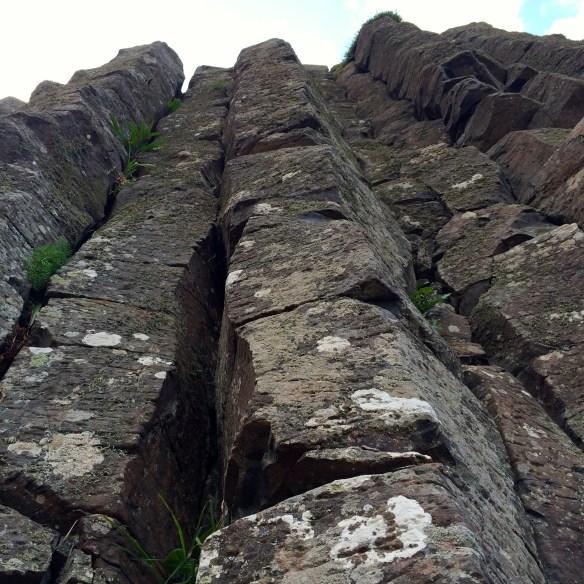
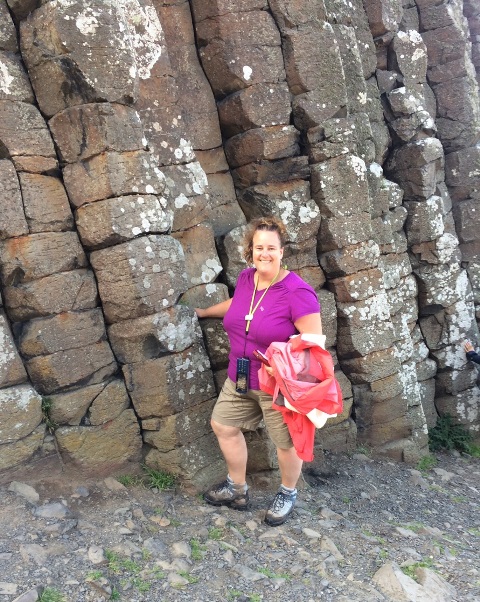
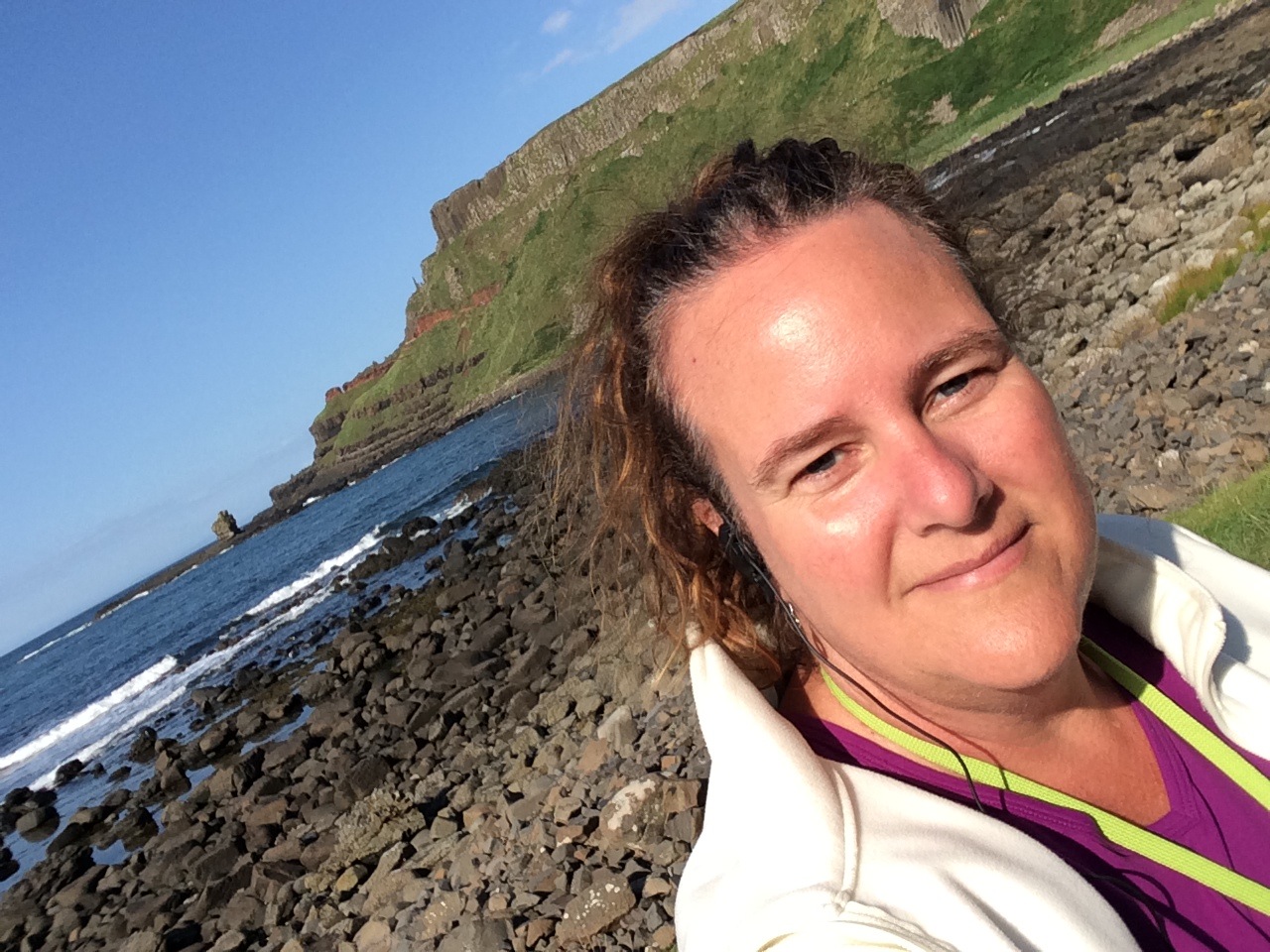
 In addition to visiting the Visitor’s center and National Trust site, I also hiked along the trail that runs along the Causeway Coastal Route. A perfect day, truly gorgeous, and I can understand why it is a place of both stunning natural beauty and imaginative myth and legend.
On Wednesday, July 23rd we circumnavigated the island of Scalpay, just off the Isle of Harris in the Outer Hebrides. With a population of about 350, most of the islanders make their living from the sea, and the name scalpay comes from the gaelic word for scallops.
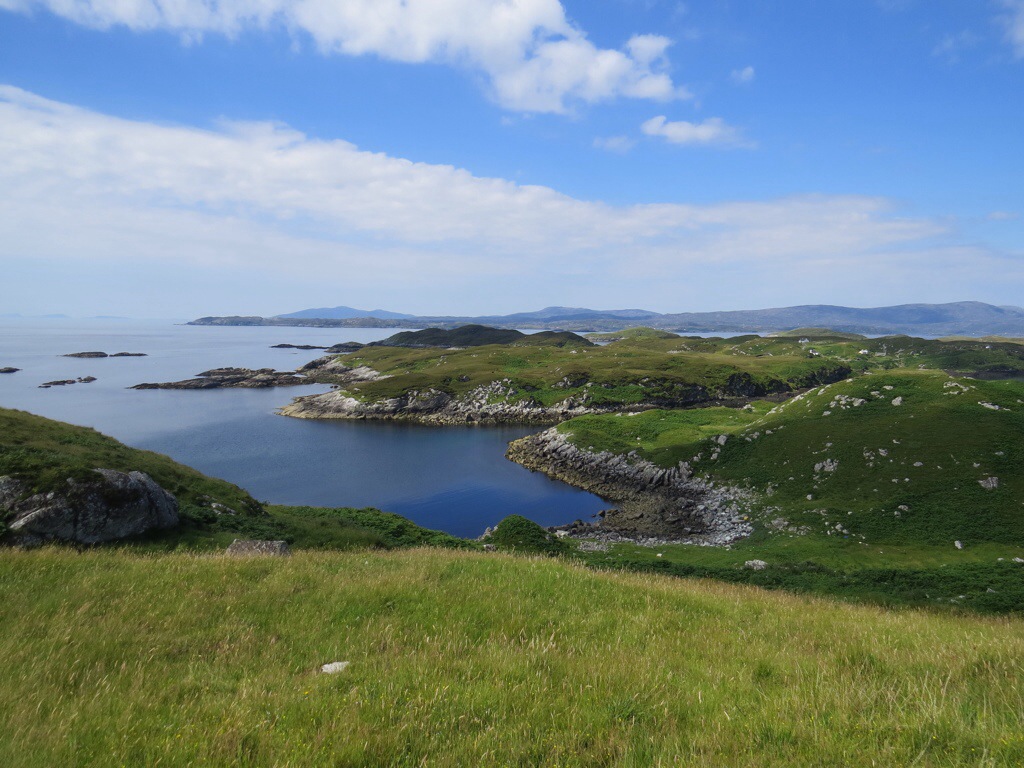
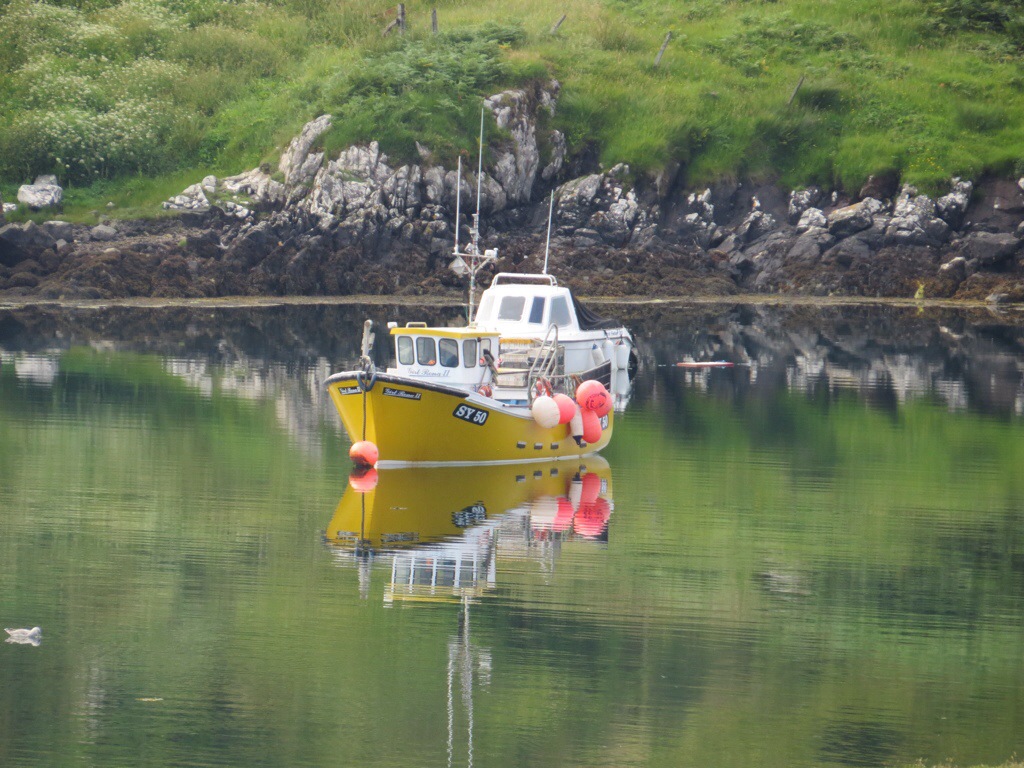
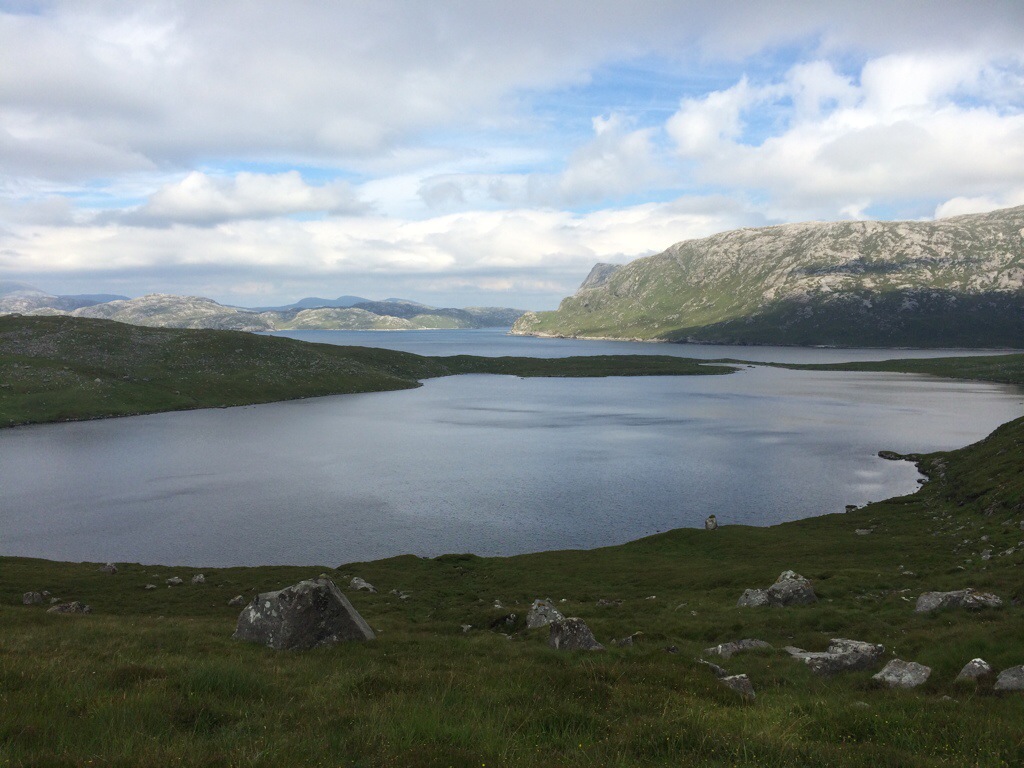
Aside from the heat, this walk was lovely. We hiked up to the headland of the island, then circled around the southern coast with some amazing views out over the water.


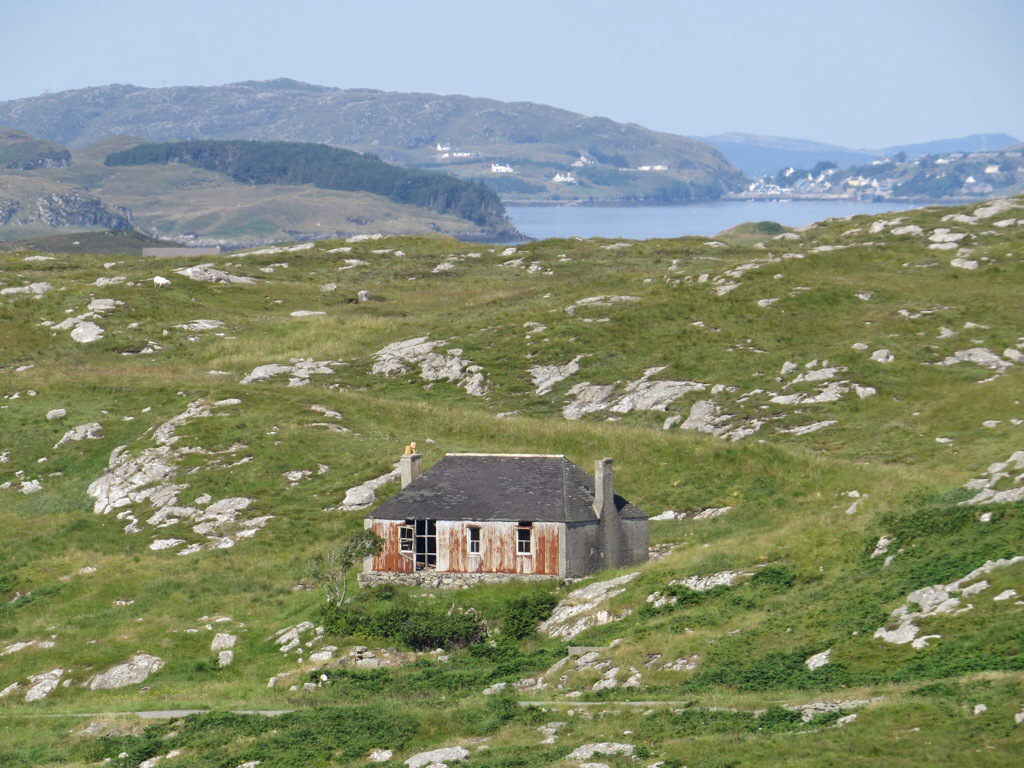
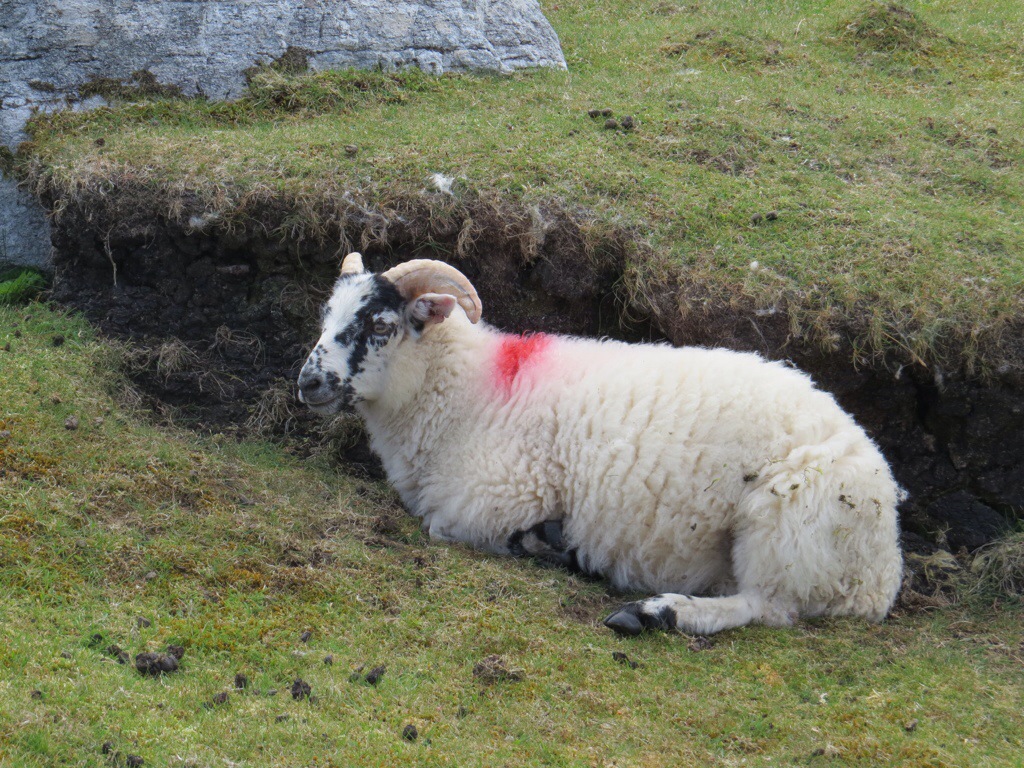
But, wow, was it hot!! Almost 30 degress Celcius with little wind. Our B&B host said that it hadn’t been this hot here in at least 20 years. But, at least it was too hot for the midges!! The sheep also looked very warm and were huddled as close to the cool peat as they could get.
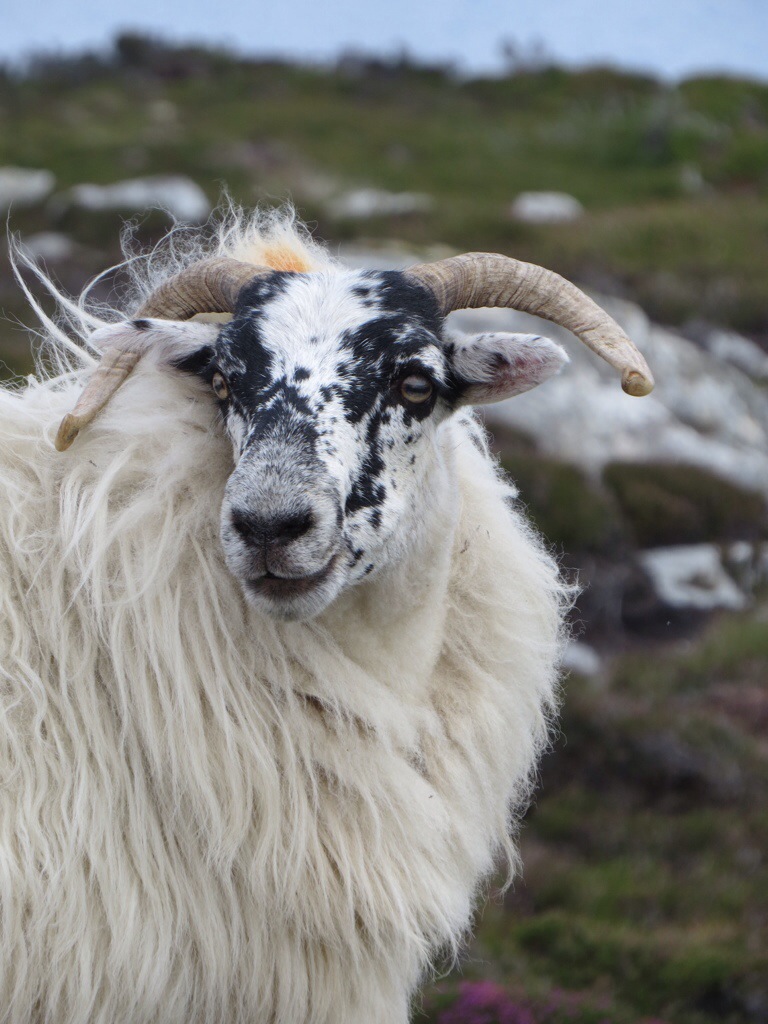
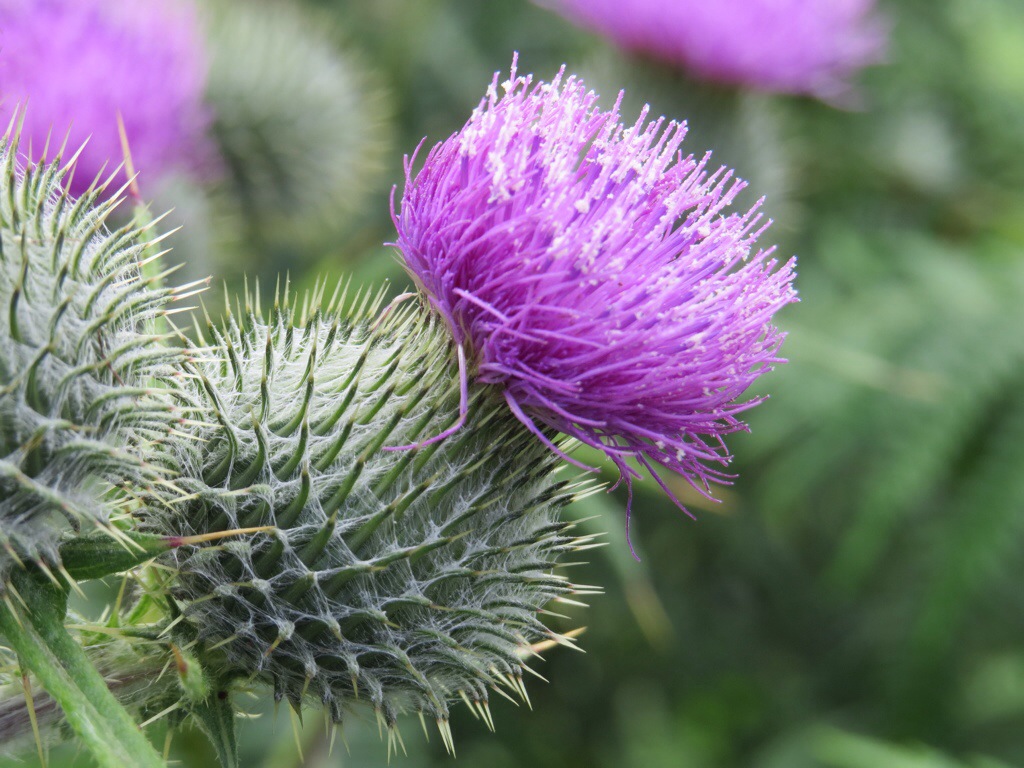
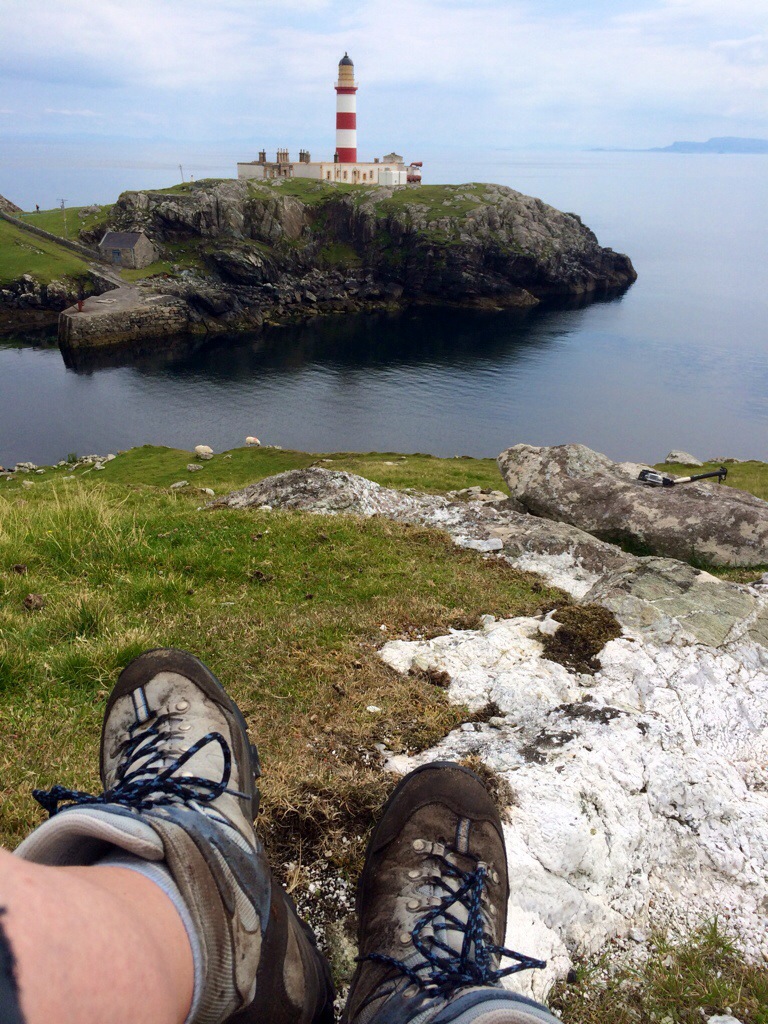
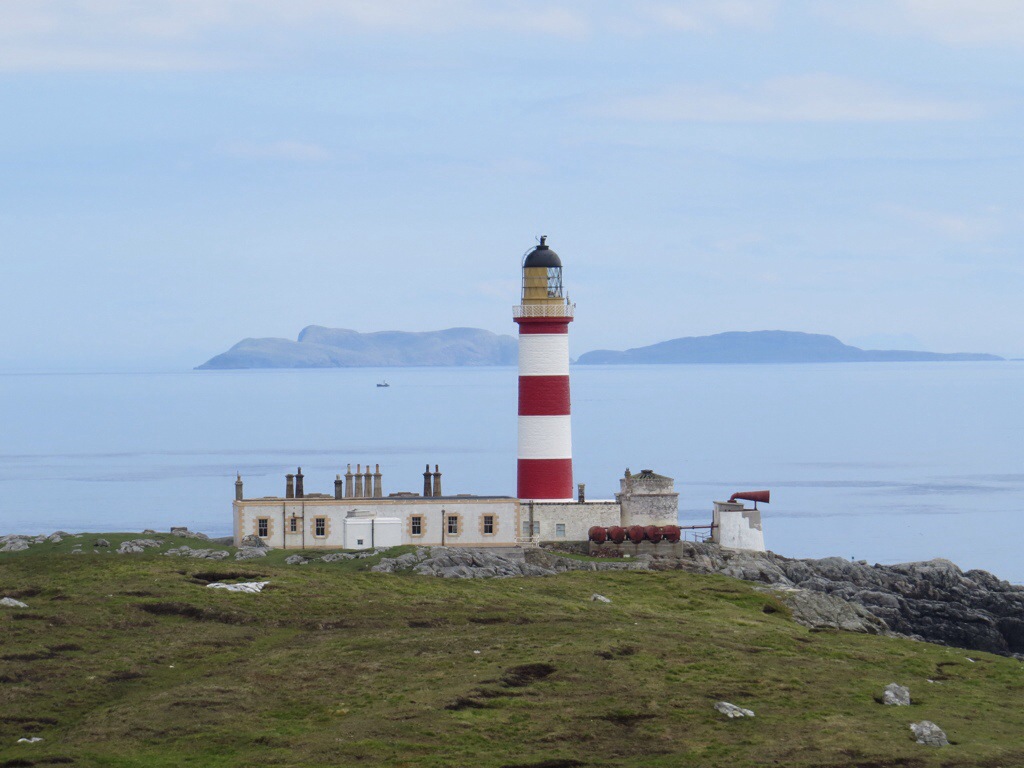
We did manage to catch some breeze while having our lunch break at the lighthouse. We watched the gannets fish for their lunch by diving into ocean and we even spotted a minke whale swimming by.
After a cool shower, it was out for a dinner of Harris scallops over some famous Charles Macleod black pudding. Then, back to the B&B to watch the sun set over the tidal flats.




 A Fish and a Bicycle