Powered by Linky Tools
Click here to enter your link and view this Linky Tools list…
I’ve been pushed around and pulled apart
Been carrying around that jigsaw heart
But I got friends just down the road
And they know where the pieces go
I will ride, I will fly
Chase the wind and touch the sky
Once upon a time, the Irish giant Fionn mac Cumhail (Finn MacCool) was challenged to a fight by the Scottish giant Benandonner. Finn accepted the challenge and built a causeway across the sea from northern Ireland to Scotland so that the two giant’s could meet in battle. Fionn crossed the causeway but when he saw how big Benandonner was he fled back home.
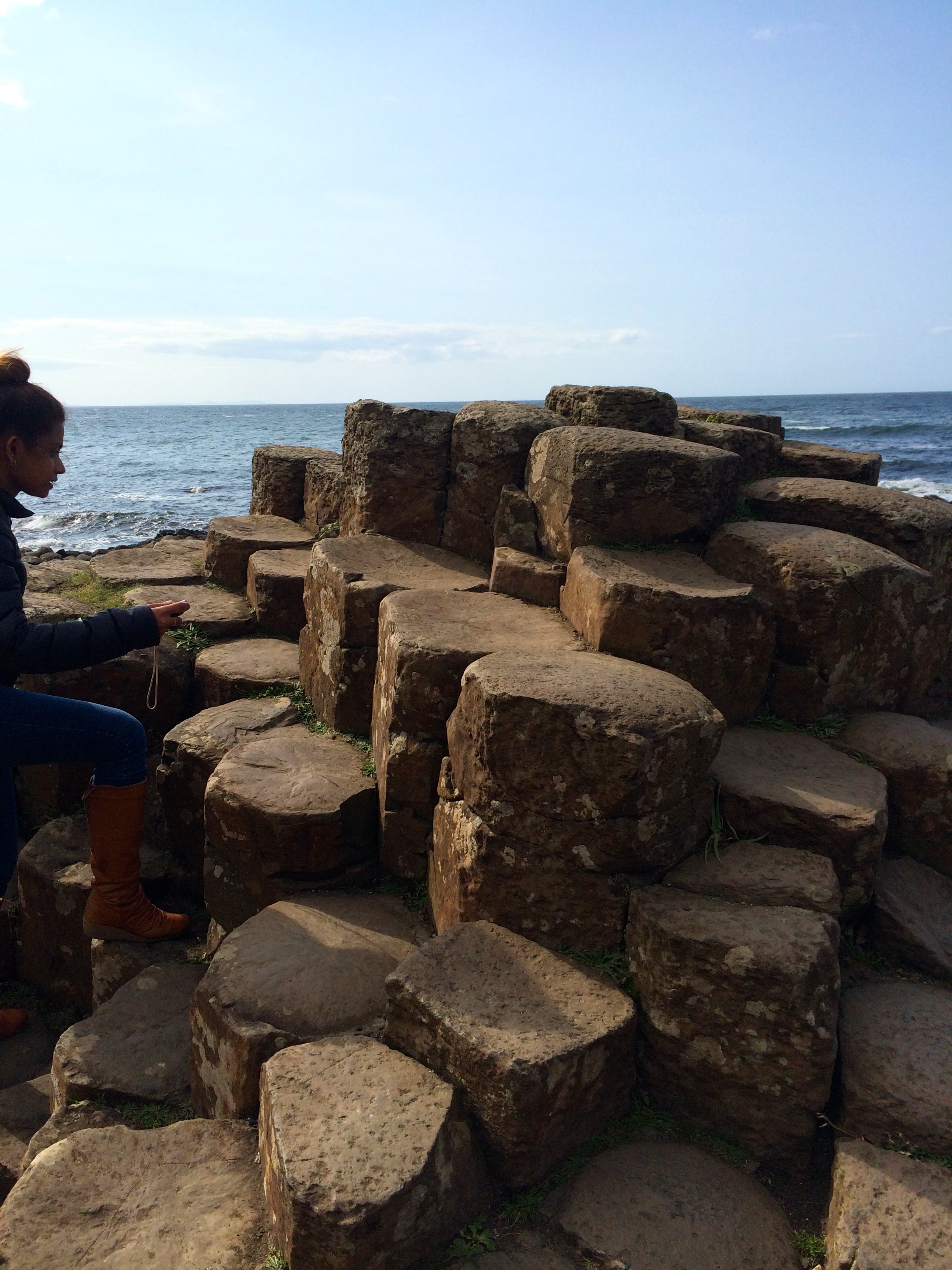

Fionn pleaded with his wife, Oonagh, to help him and she told him to get in the baby’s cradle and put on his bonnet. When the giant Benandonner showed up, Oonagh told him that Fionn was not home and it is just her and her “baby”. When Benandonner saw the size of the “baby” he figured that Fionn must be much bigger and he fled back to Scotland destroying the causeway behind him so that Fionn could not follow.

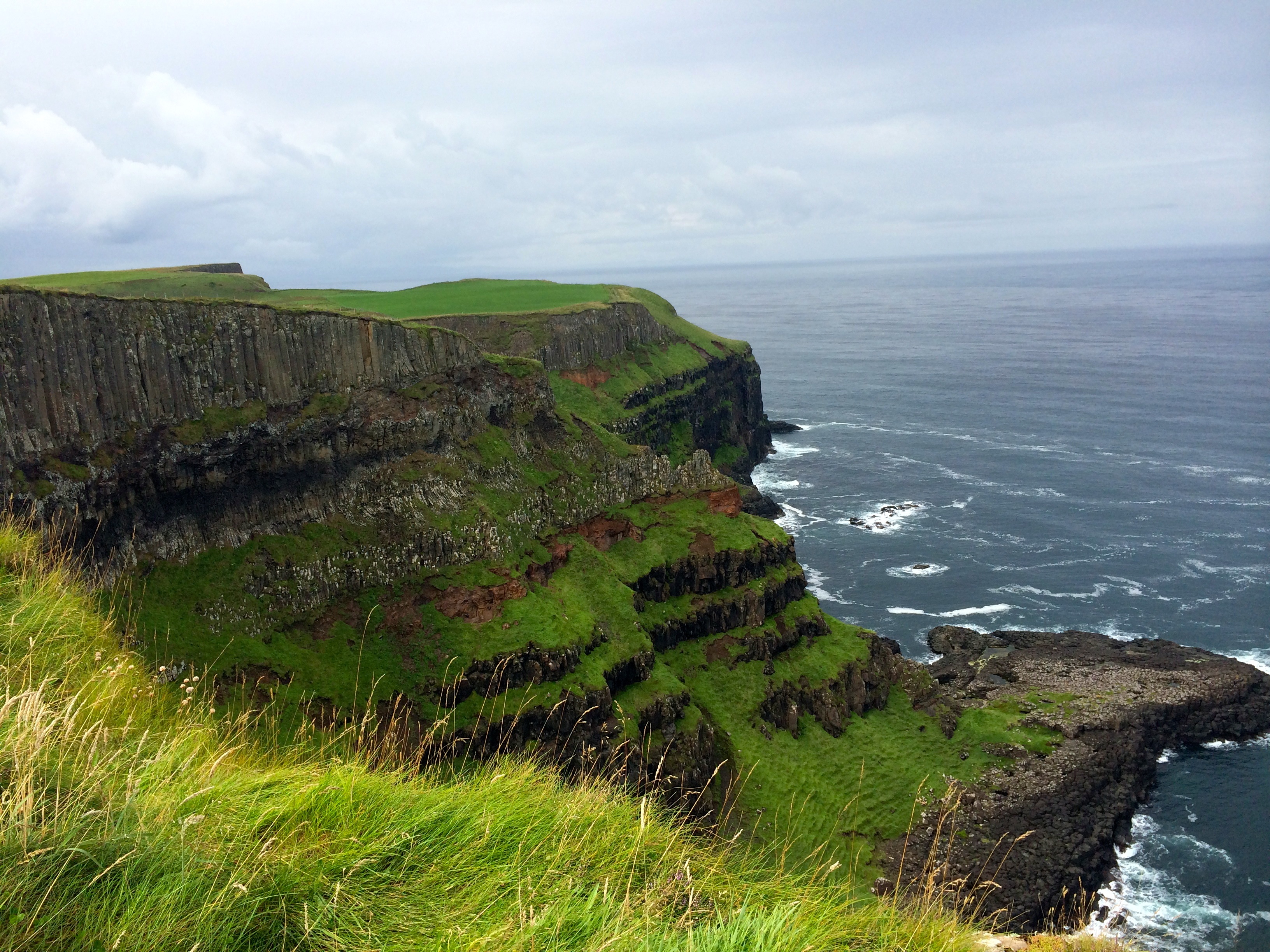
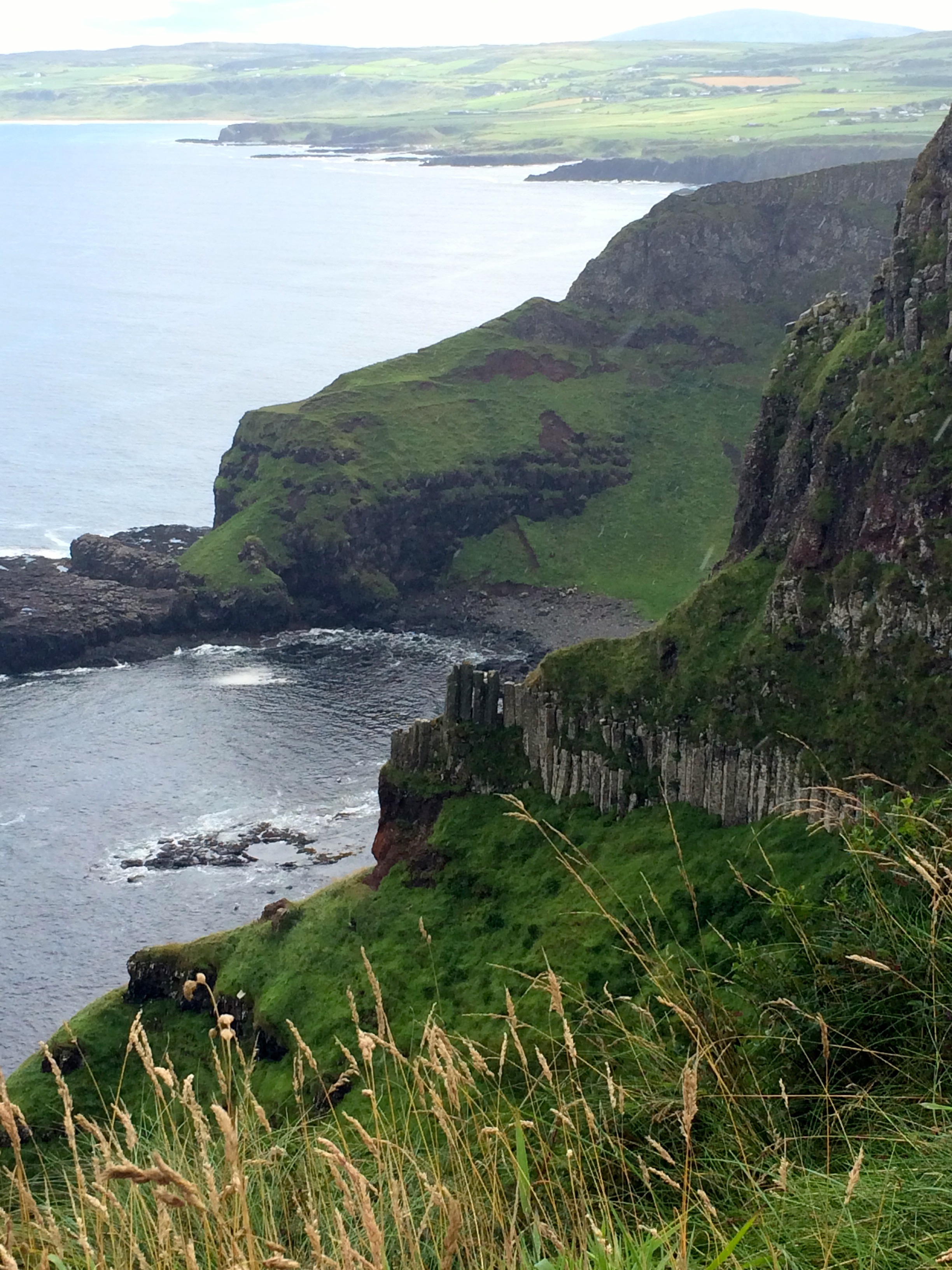
The peaks of rock in the distance are the chimneys of Finn and Oonagh’s home.
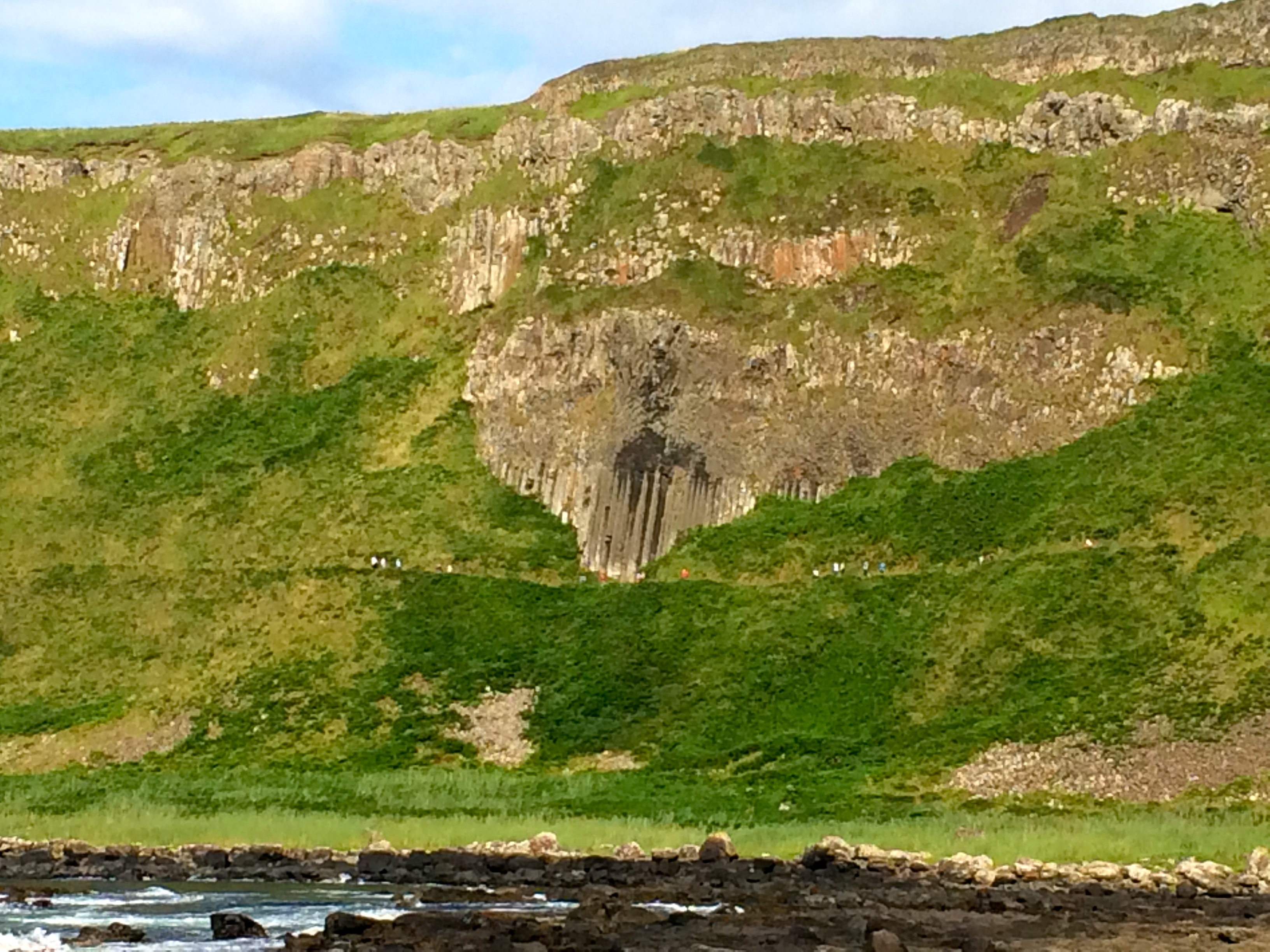
The columns in this picture are known as the Organ Pipes. On them, Fionn played songs written by his son.
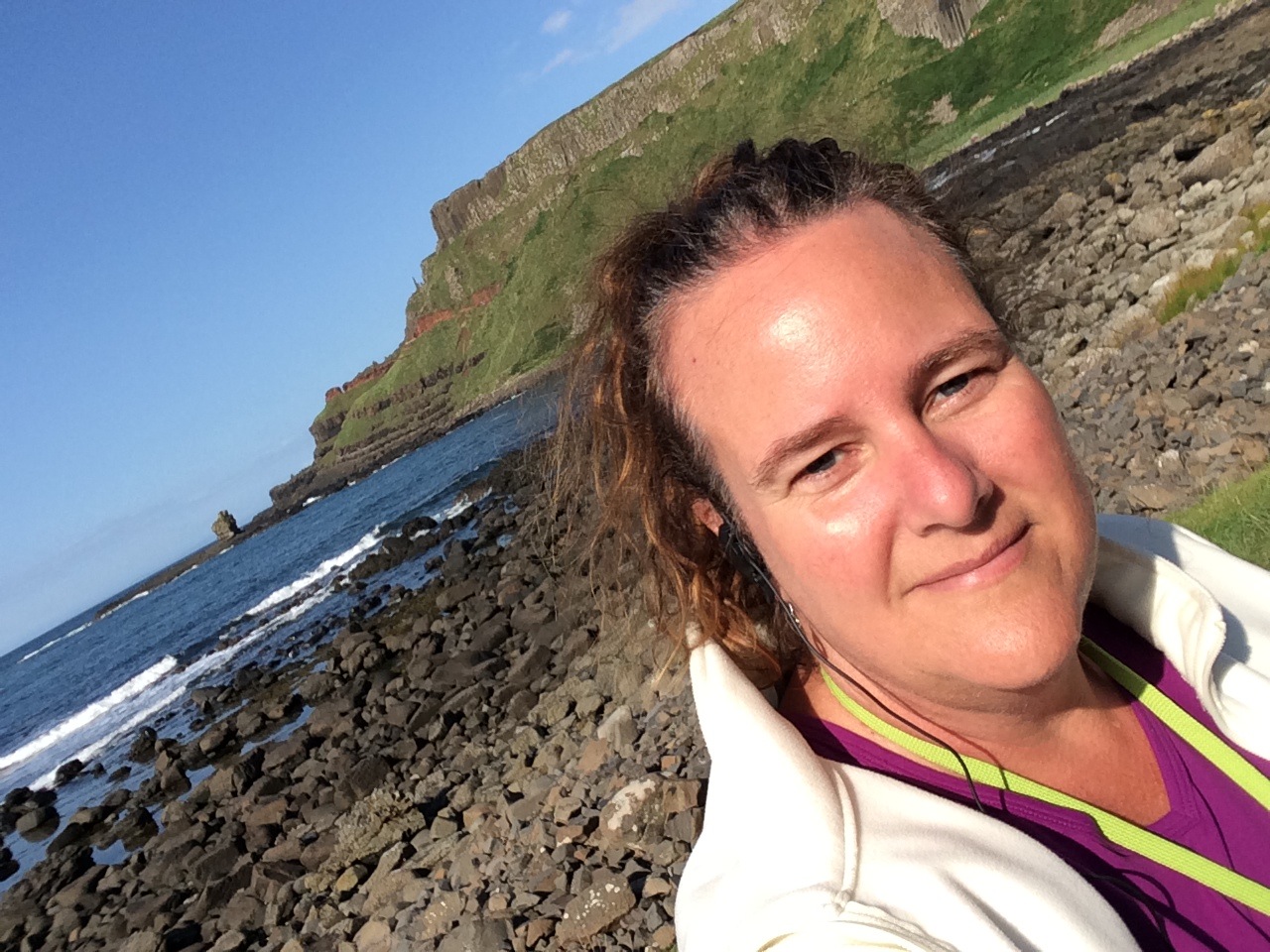
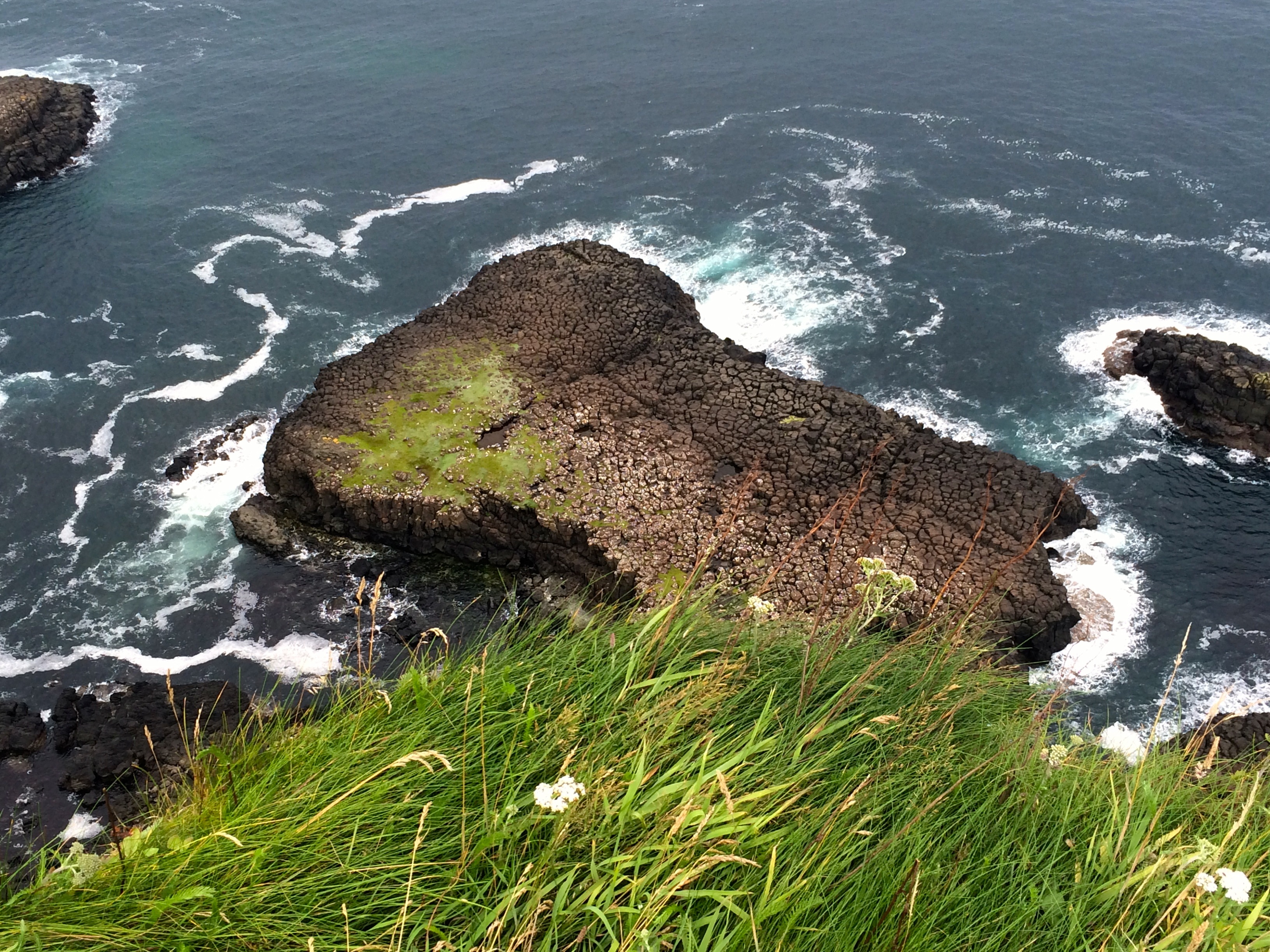 Giant’s Causeway has long been on my list of places to visit. An area of about 40,000 interlocking basalt columns located on the north coast of Ireland, it is the result of an ancient volcanic eruption. Most of the columns are hexagonal, although there are also some with four, five, seven or eight sides. The tops of the columns form stepping stones that lead from the cliff foot and disappear under the sea.The tallest are about 12 metres (39 ft) high, and the solidified lava in the cliffs is 28 metres (92 ft) thick in places. Across the sea, there are identical basalt columns (a part of the same ancient lava flow) at Fingal’s Cave on the Scottish isle of Staffa, and it is possible that the story of Fionn mac Cumhail and Benandonner was influenced by this.
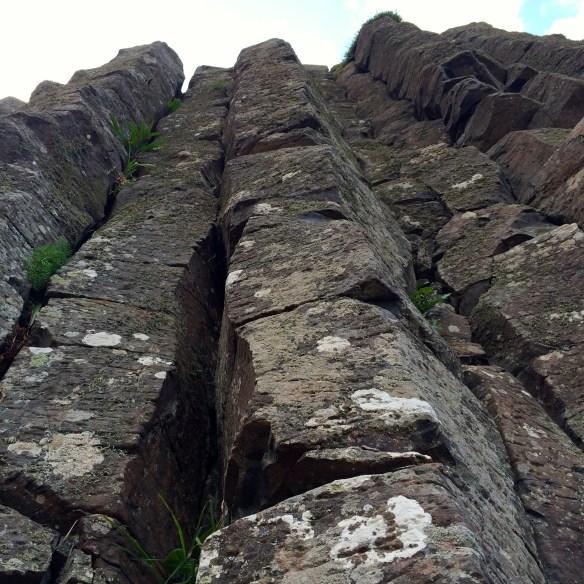
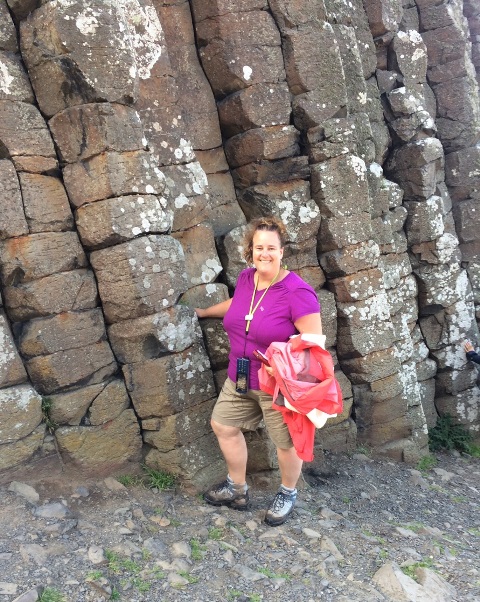
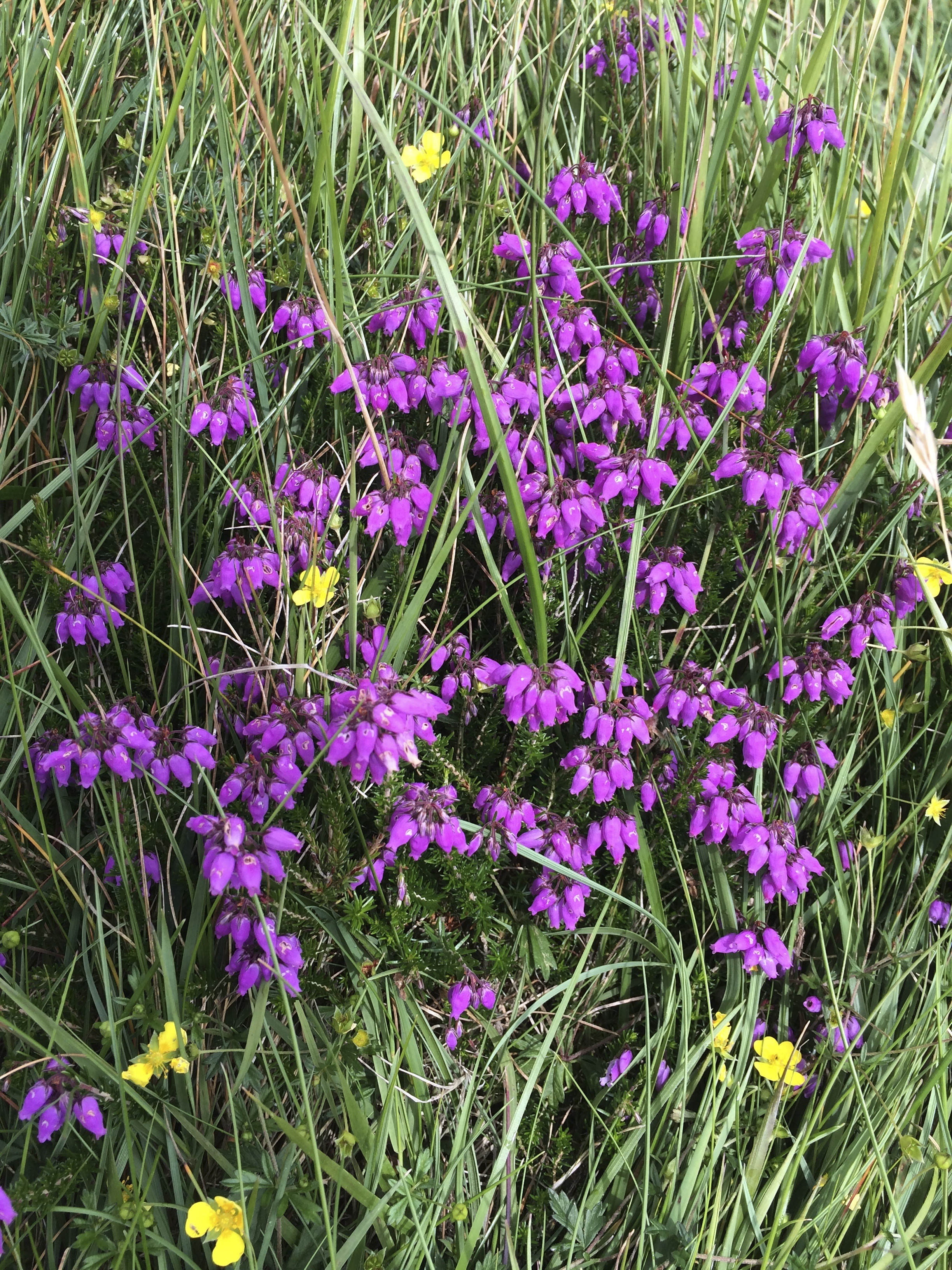
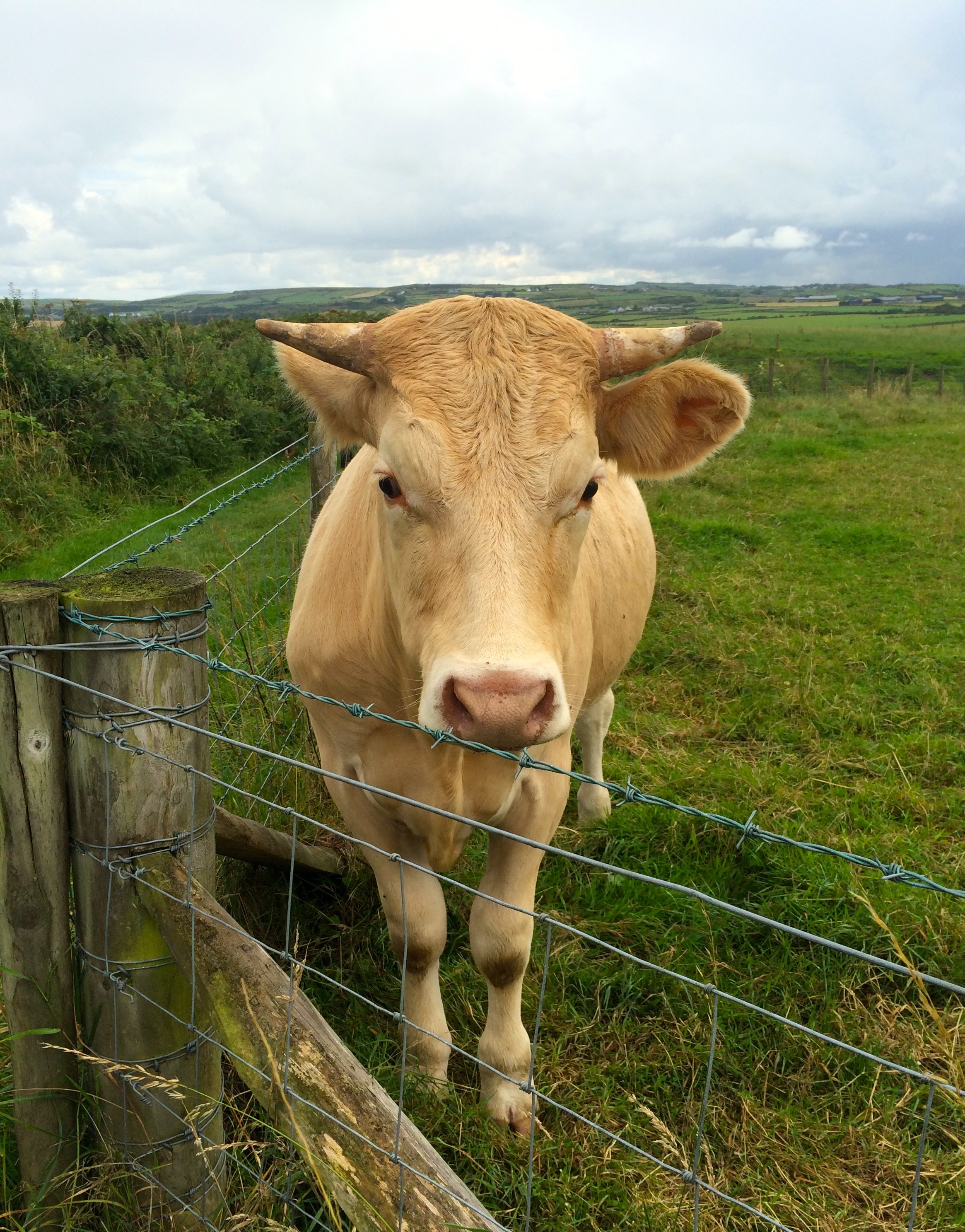
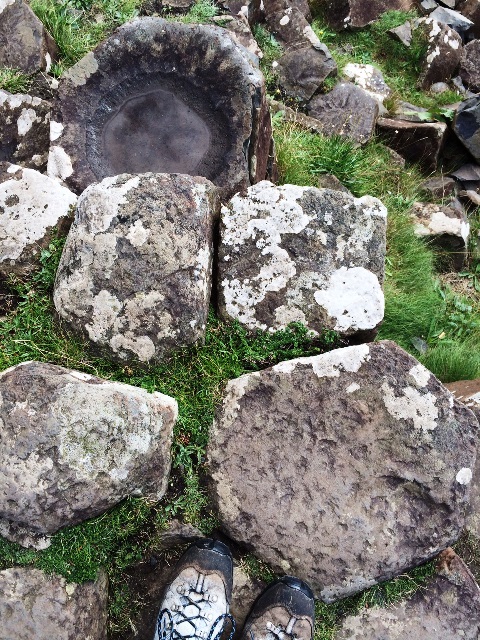 In addition to visiting the Visitor’s center and National Trust site, I also hiked along the trail that runs along the Causeway Coastal Route. A perfect day, truly gorgeous, and I can understand why it is a place of both stunning natural beauty and imaginative myth and legend.
This weary earth we walk upon
She will endure when we are gone
While kingdoms come and kingdoms go
Rivers run and rivers flow
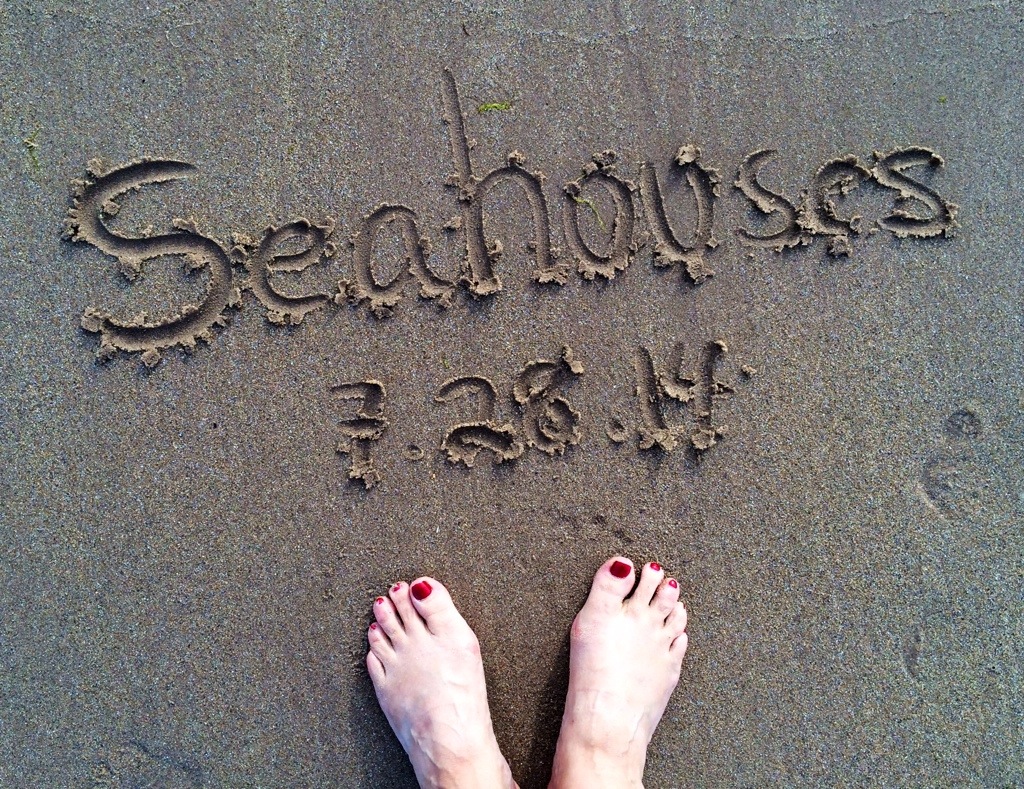
In addition to seeing Lindisfarne while staying in Seahouses, I also took a boat trip out to the Farne Islands. The Farne islands are a group of small islands (between 15 and 20 depending on the tide) located off the northeast coast of Northumbria.
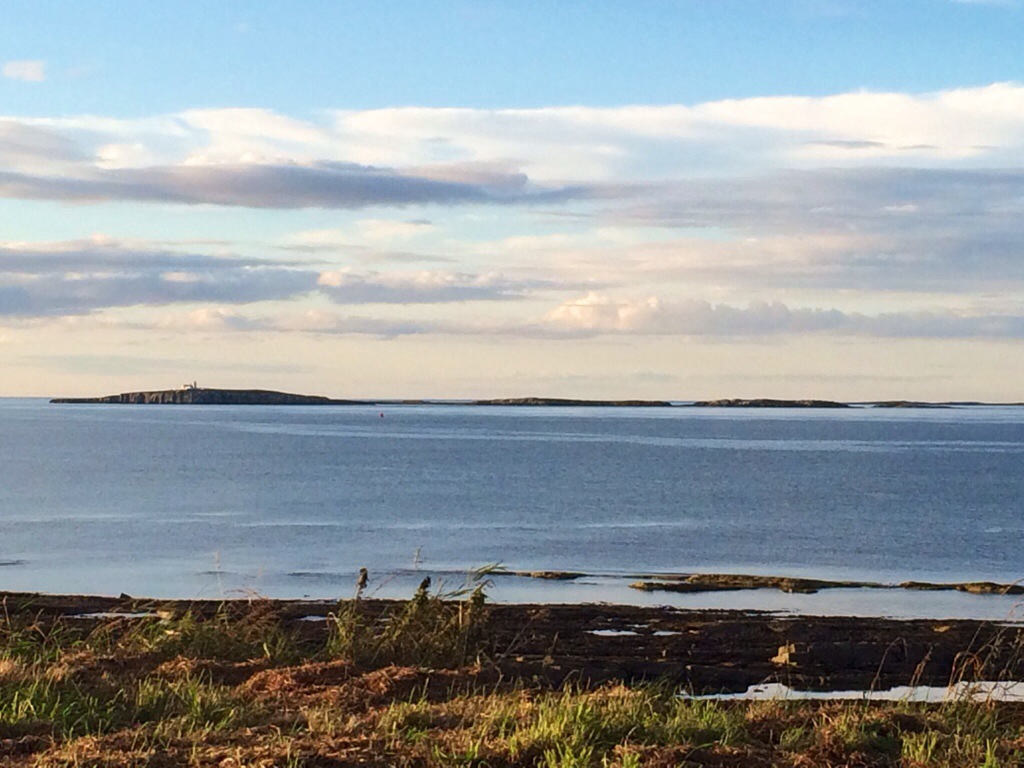
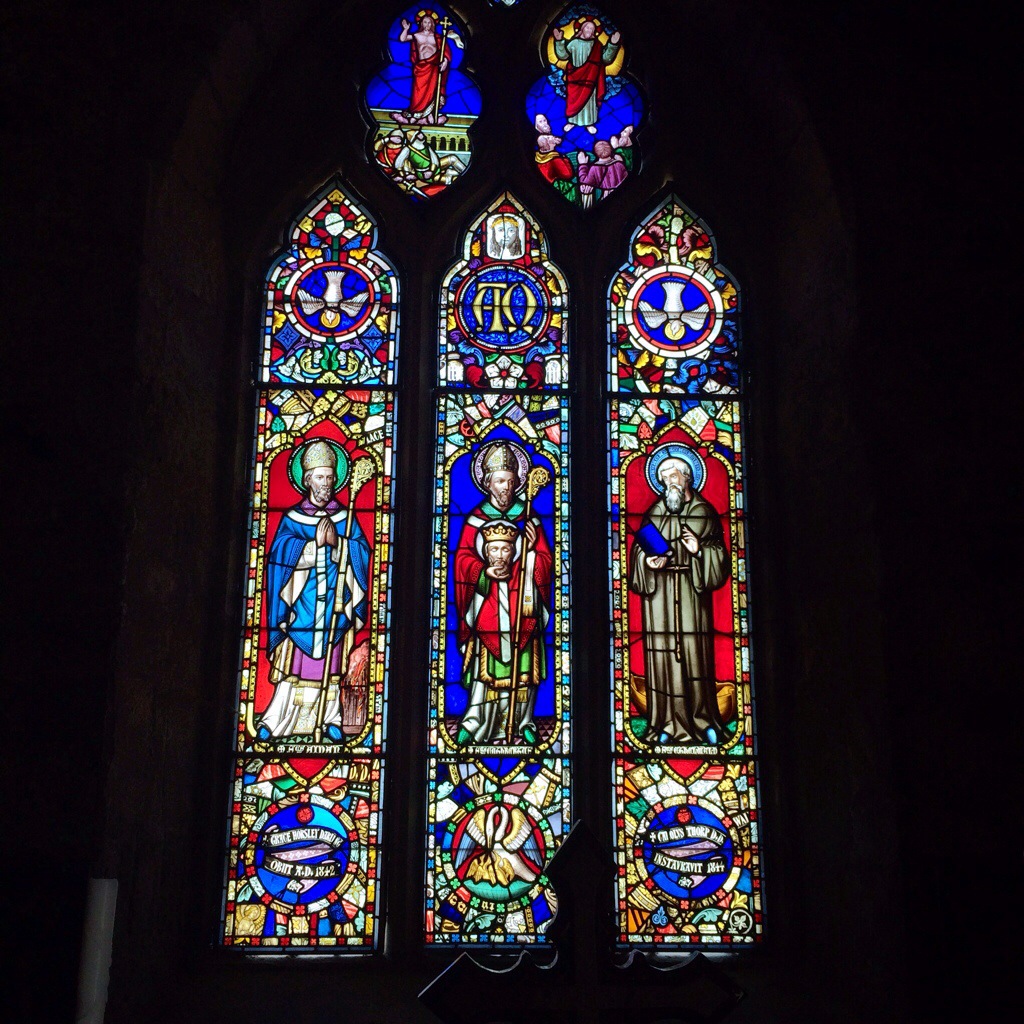
As with Lindisfarne, the islands recorded history goes back to the 6th century CE and were home to both Saint Aidan and Saint Cuthbert. A 14th century chapel dedicated to St. Cuthbert still exists on one of the islands.

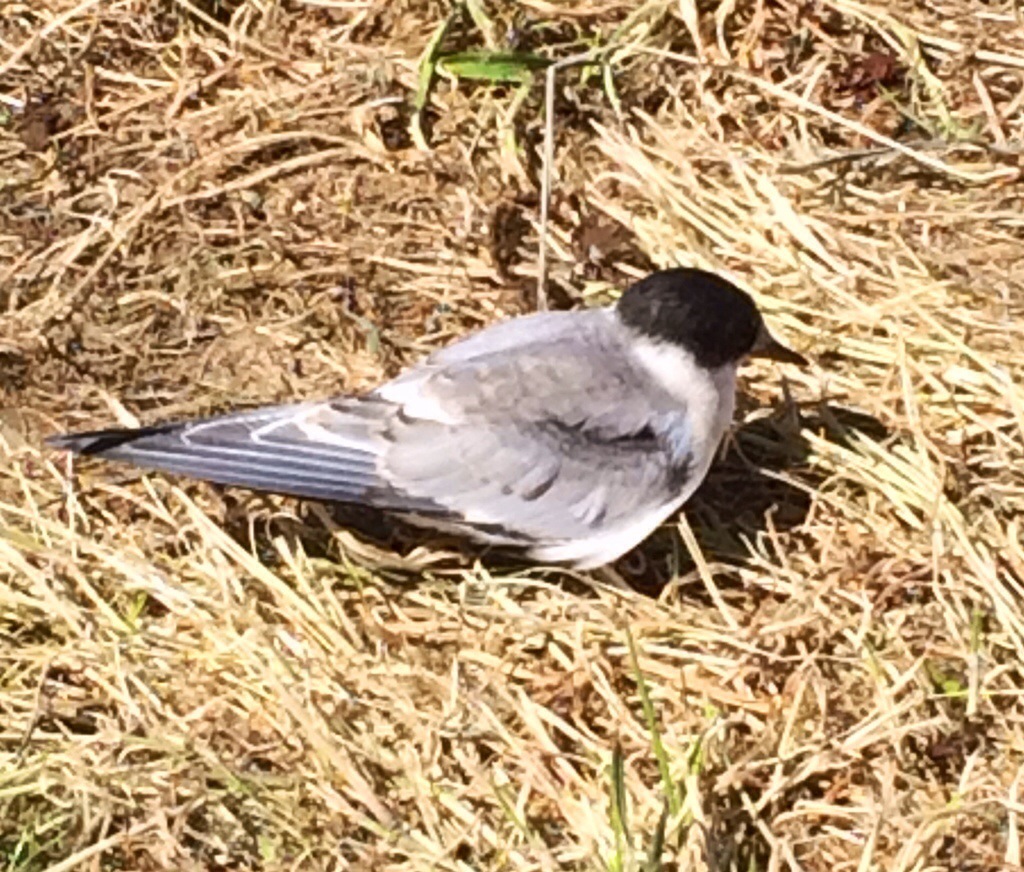
But, mostly, the islands are home to hundreds of species of birds. We saw cormorants, shags, various species of terns and puffins.

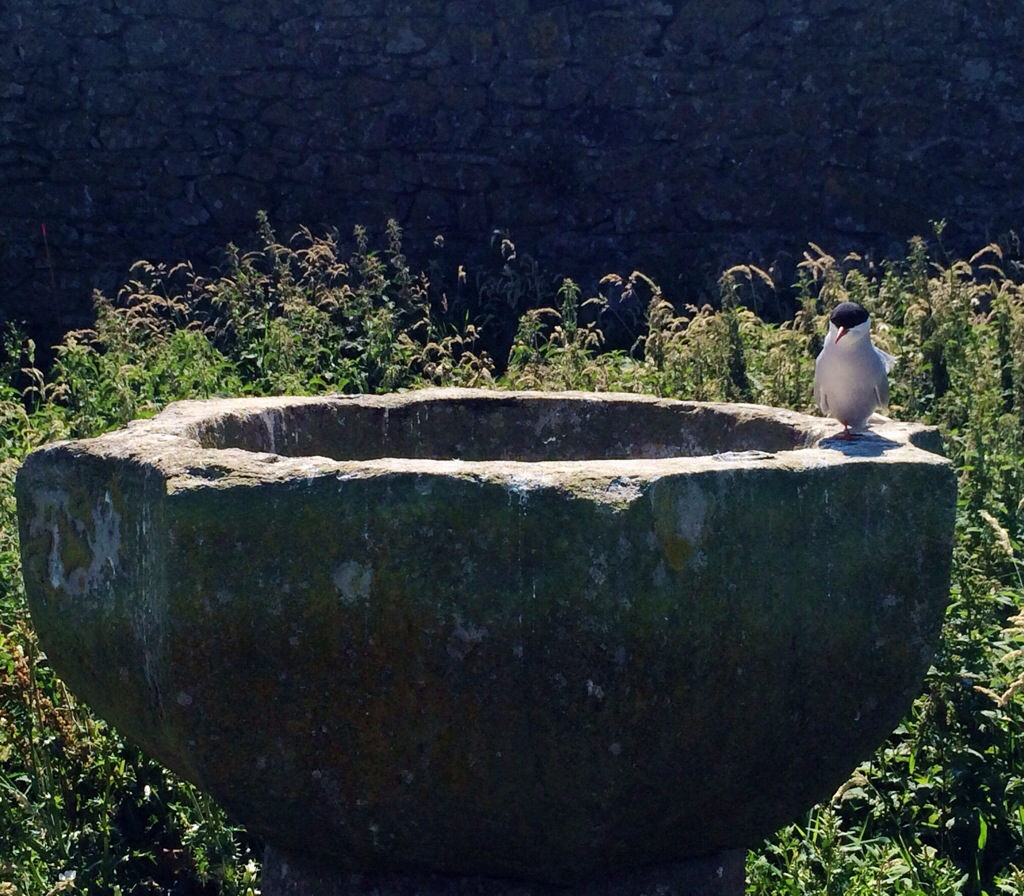
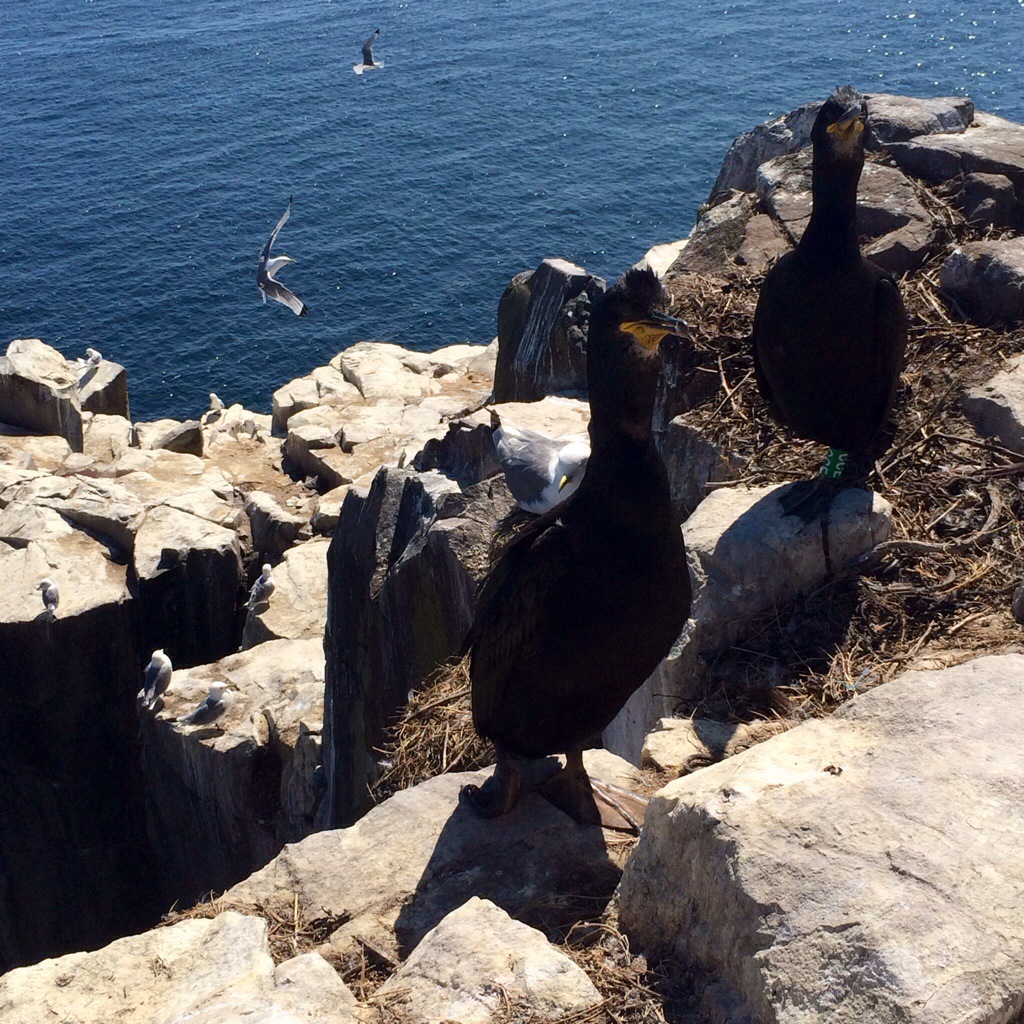
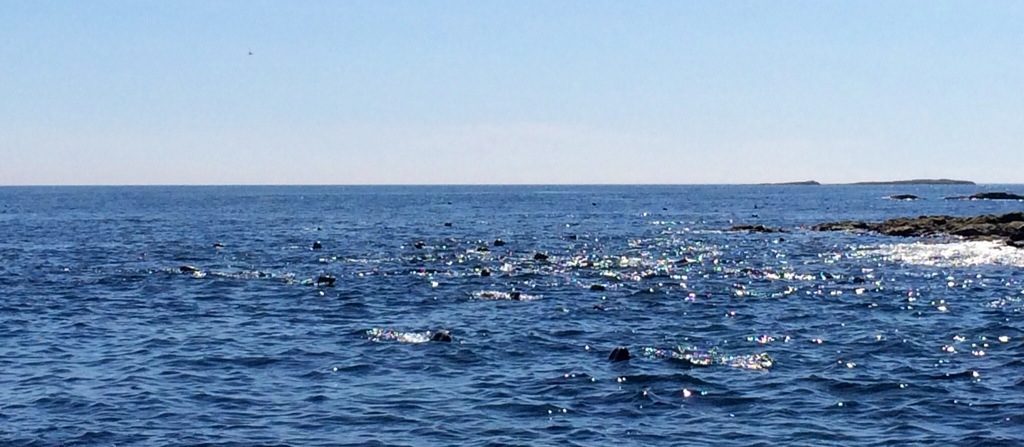
I’m not much of a birder so I was very happy that the islands are also home to thousands of seals and they swam alongside the boat checking us out as we snapped photos of them in the water and lazing in the sun on the rocks.
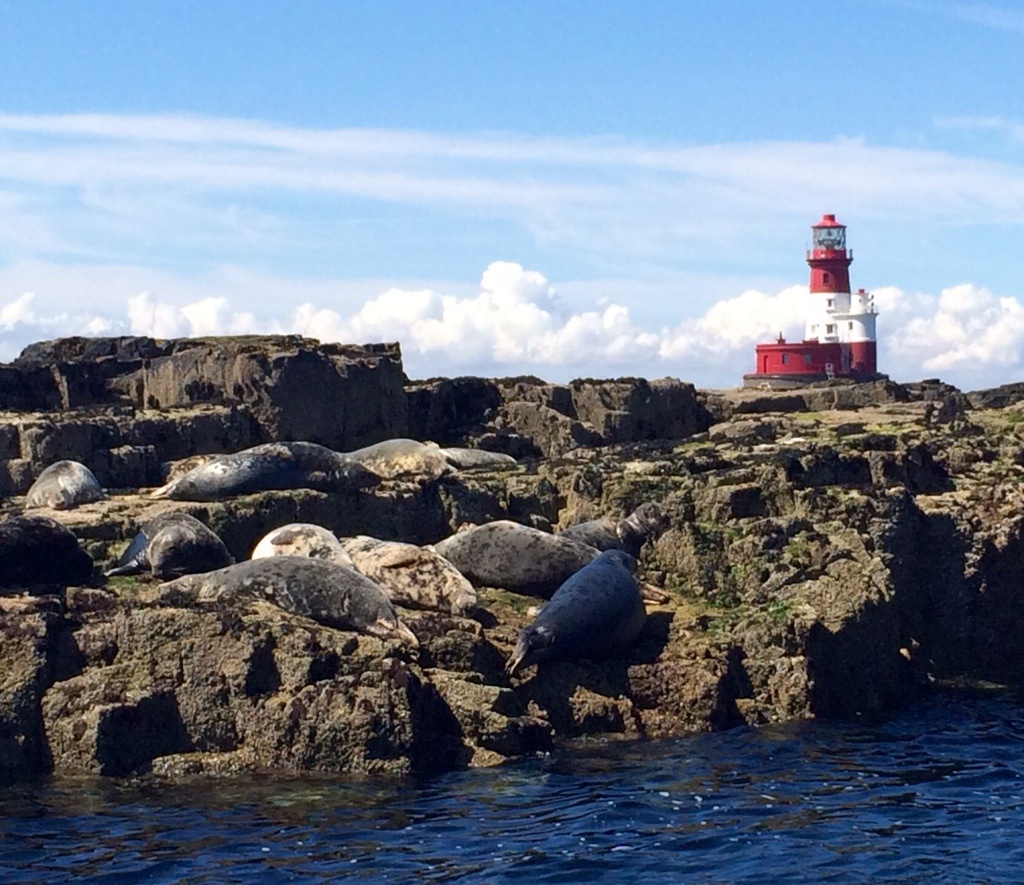
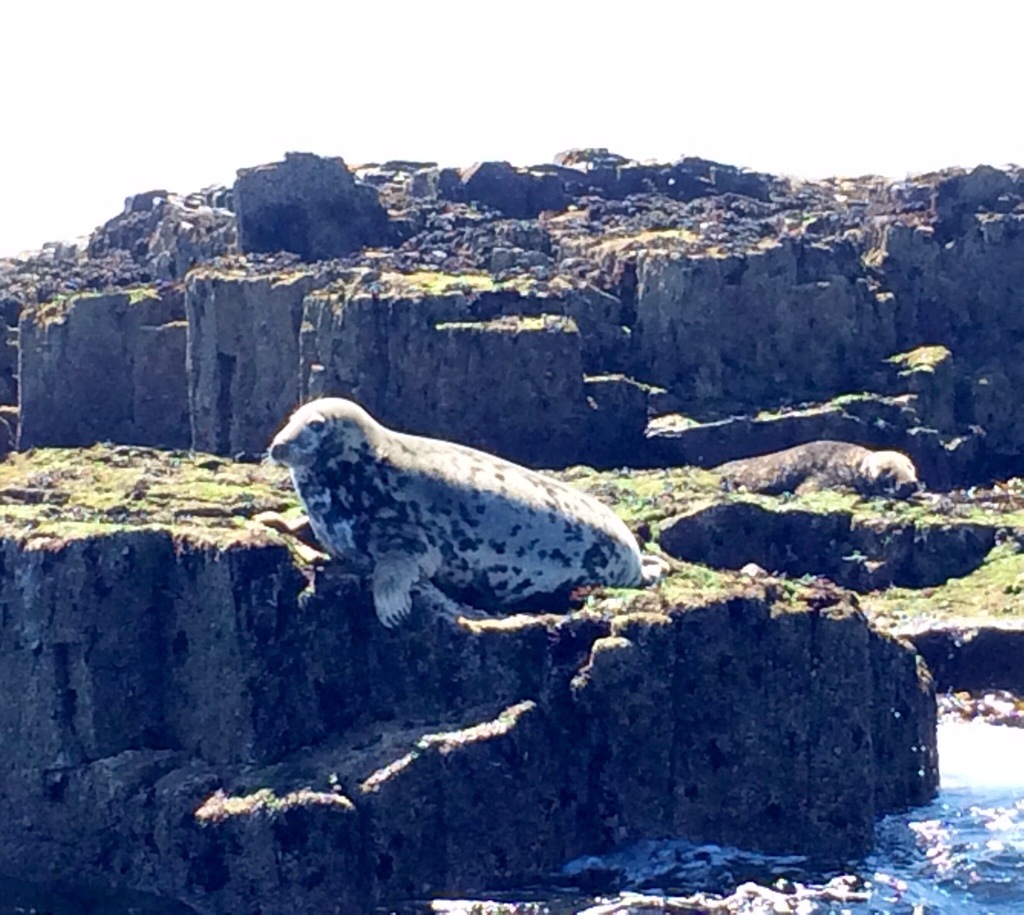
The Farne Islands are also famous for being the place where the shipwreck of the Forfarshire happened in 1838. Grace Darling, the 22 year-old daughter of the Longstone lighthouse-keeper spotted the few survivors who had managed to make it one of the islands. She and her father rescued 9 people in a strong gale and thick fog and she became a heroine who is well-known in British folklore.

After returning to the dock, we enjoyed a large pile of fish and chips and then ended our day with a walk along the beach.


 A Fish and a Bicycle