I don’t have any reasons
I’ve left them all behind
I’m in a New York state of mind
I don’t have any reasons
I’ve left them all behind
I’m in a New York state of mind
One of the great things about having friends and family visit – aside from the hugs – is the chance to be a tourist in your own town. As excuse to do those things that I normally think, “geez, that’s a bit expensive!” Recently, my sister came to visit from the east of Canada where the temperatures have been far far below zero for far far too long. “Square tire weather” my sister calls it because the normally round tires go “thunk thunk thunk” for a bit when you first start driving until they warm up. I will skip the rather obvious point that this this is why I live in Vancouver (oops, too late!). Anyway, a visit from my sister and a warm, sunny February day in Vancouver was all the excuse we needed to head up the coast a bit and try out the new Sea to Sky Gondola. 
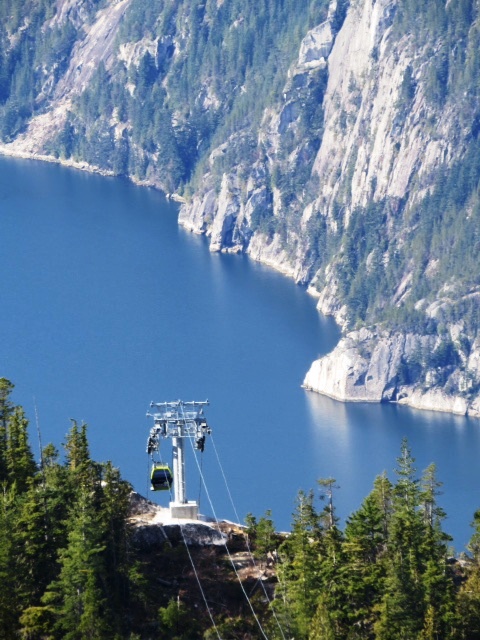
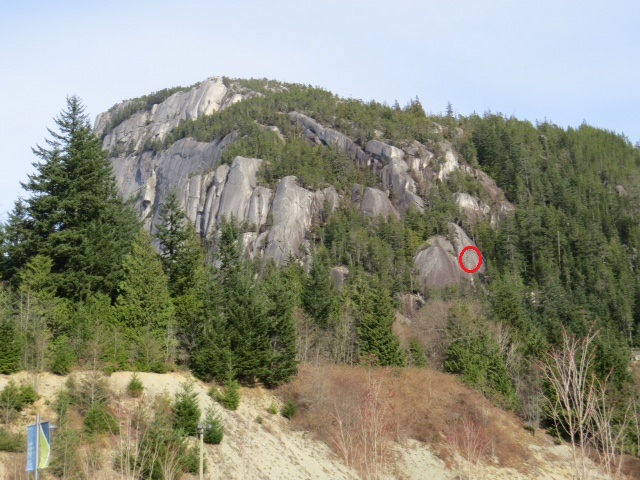
 Located just south of Squamish, BC, the gondola rises up to 885m above sea level. The route goes up behind the Stawamus Chief, the second-largest granite monolith in the world. The hike up the Chief is a bit beyond my trekking capabilities and so I was pleased when they built the gondola, although I know there were some objections raised at the time about the impact on the environment.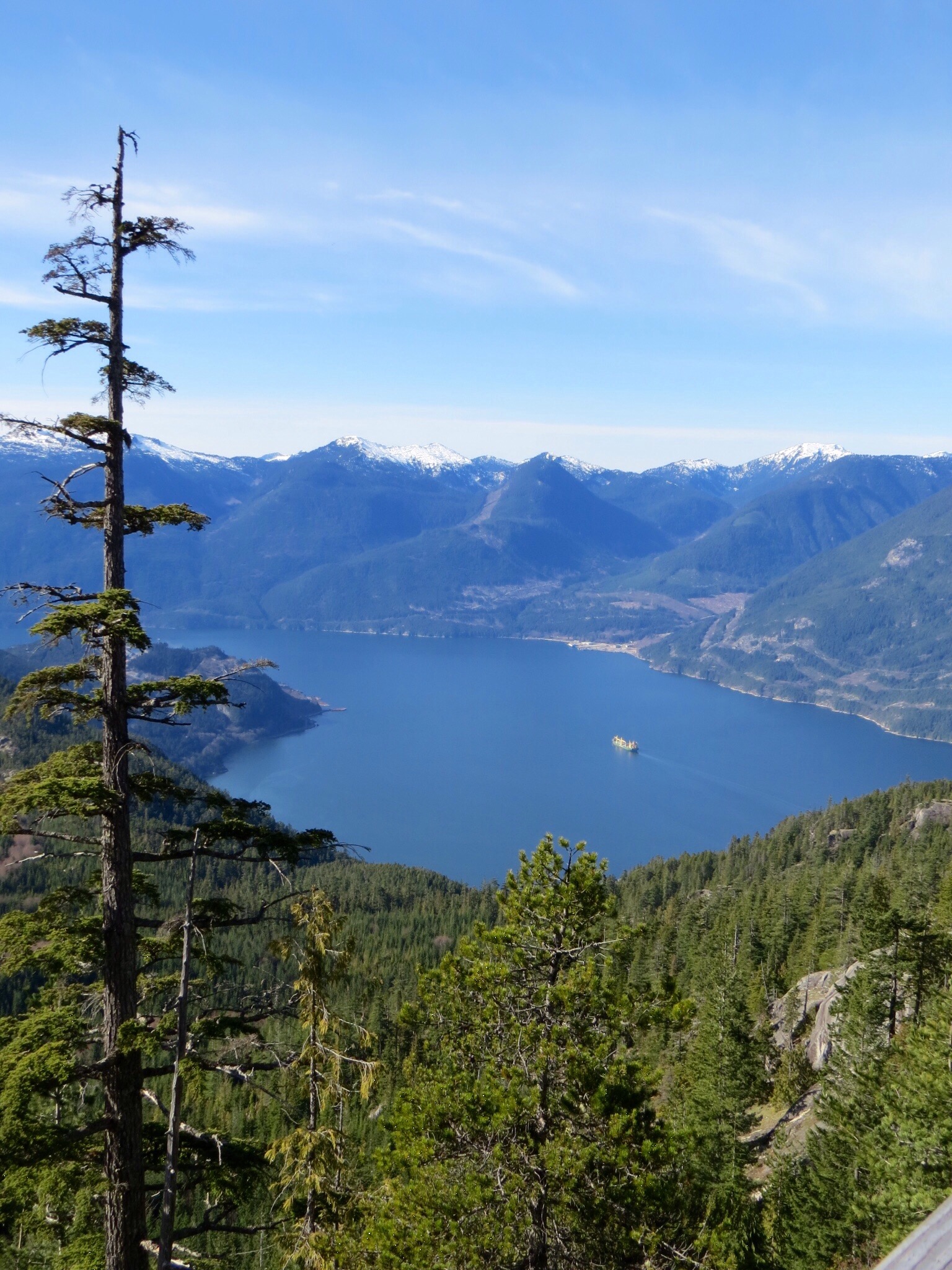

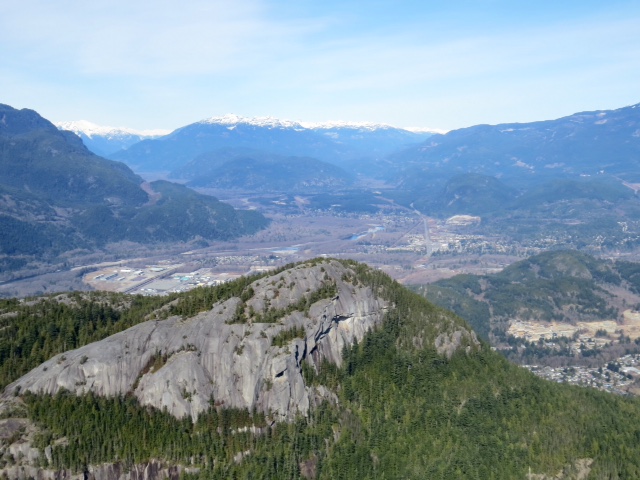 The Chief is also a popular rock-climbing spot. And, trust me, if I’m not sure if could hike up the back of the Chief, I am damn sure that I am never going to rock climb up the front of it!!
 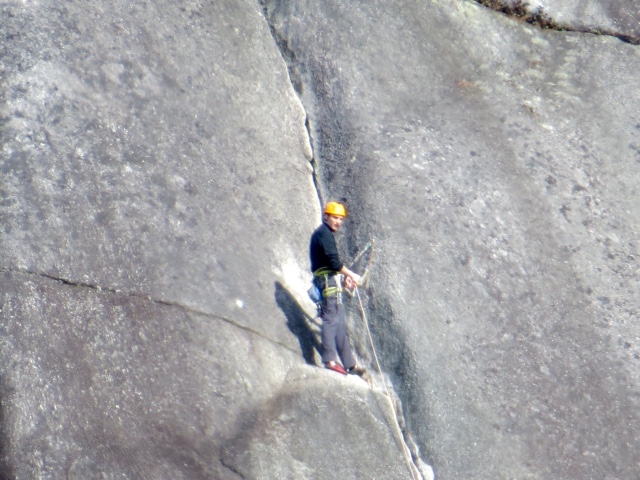 This guy was heading up the rock face, where the red circle is. Ahem.
  The gondola ride was great. Once at the top at the Summit Lodge, there were many trails leading off with a range of hiking skill levels. We traversed our way across the suspension bridge which, for those of who who have followed my saga with heights, vertigo and paralyzing fear, I am proud to say I crossed with a minimum of panic.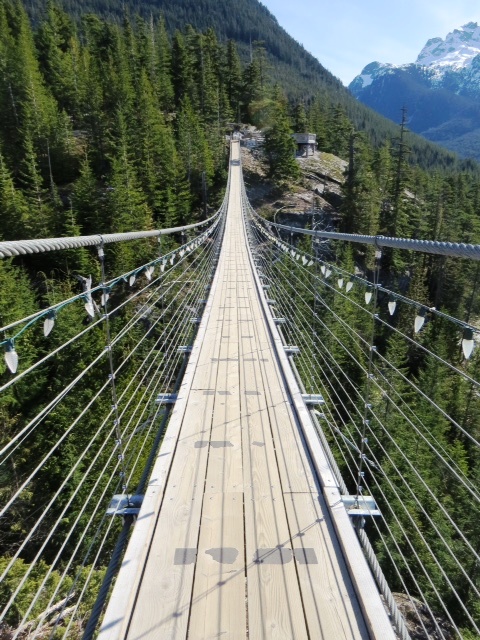
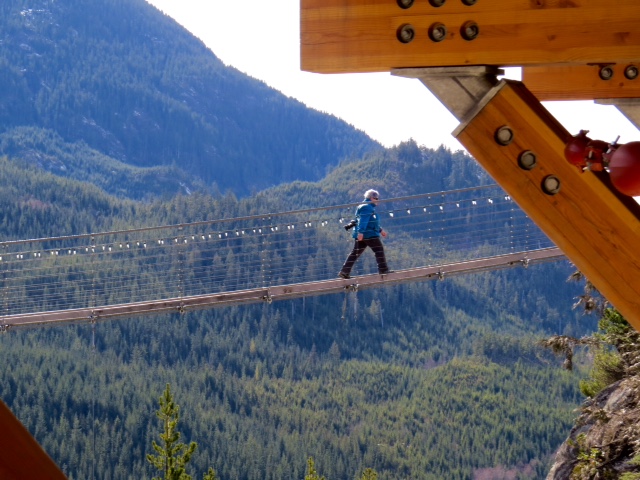
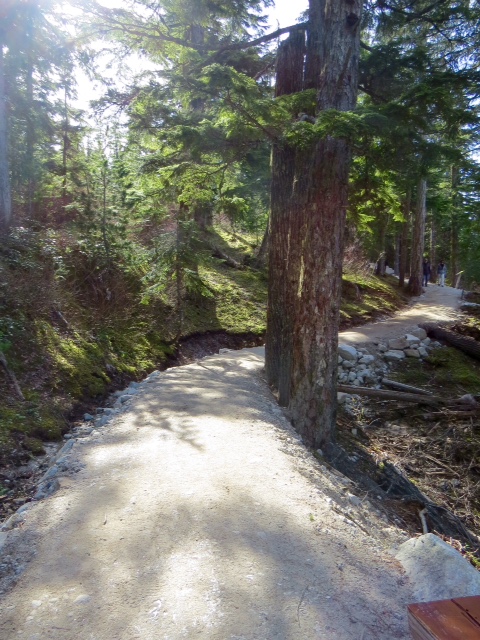
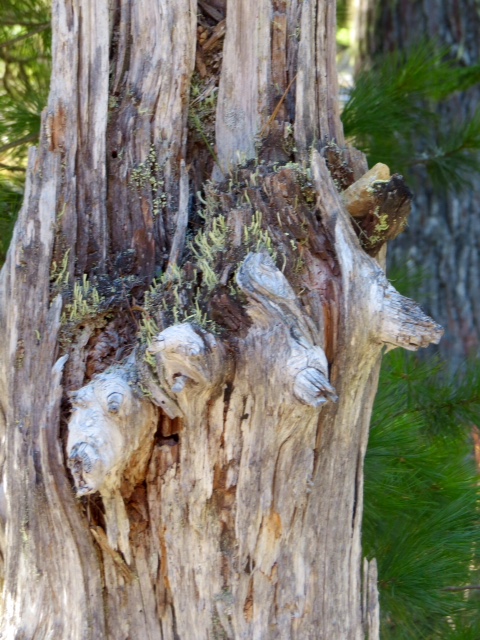 We also did a 1.6km trail out to a viewing platform which cantilevered out past the edge of the cliff. Amazing views of the local peaks – Sky Pilot, Co-Pilot, Ledge Mountain, Mount Habrich and Mount Garibaldi. And, a gorgeous view looking down over the Chief, the town of Squamish and Howe Sound.
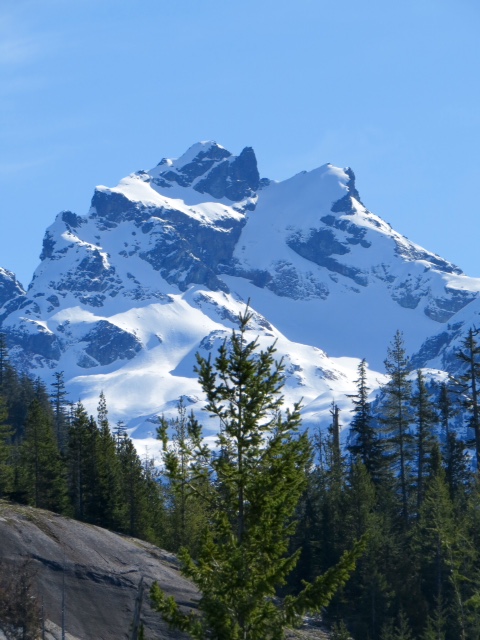
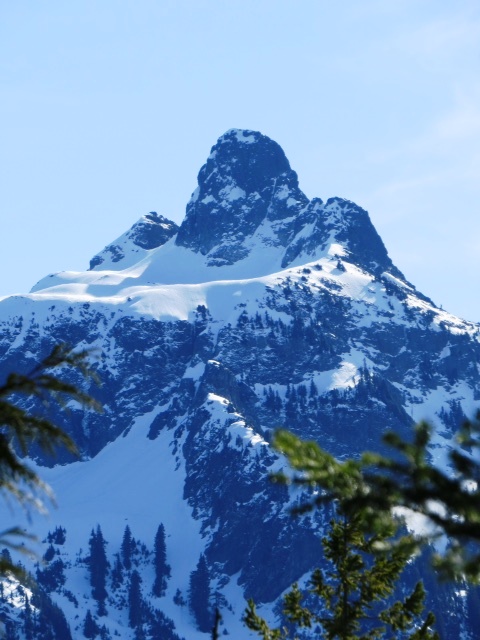
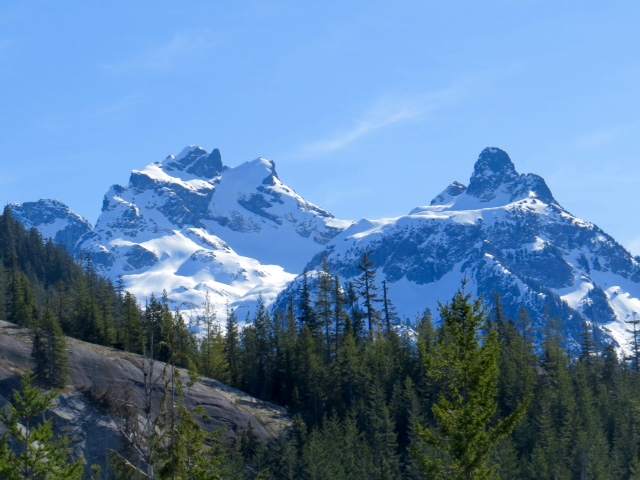
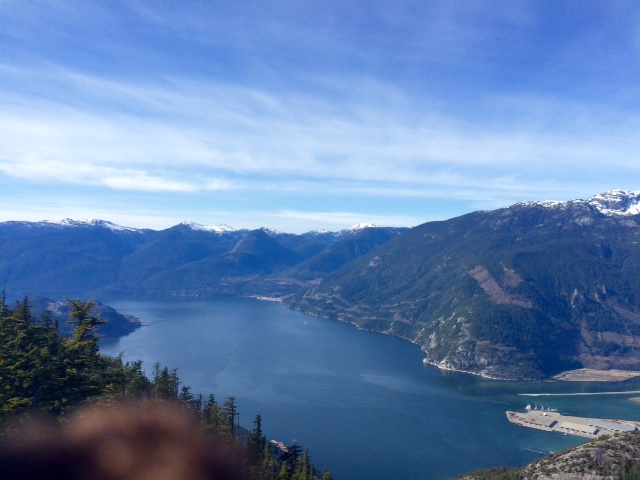
 And, we had some fun playing with our cameras and trying out different shots and settings. My tip for a successful selfie – always take the shot on an angle!!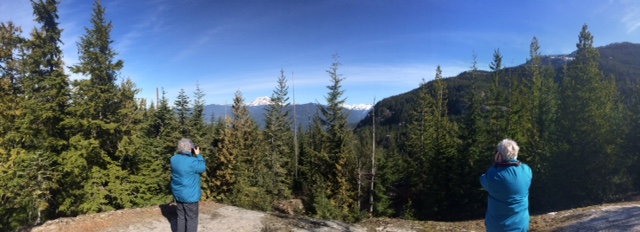
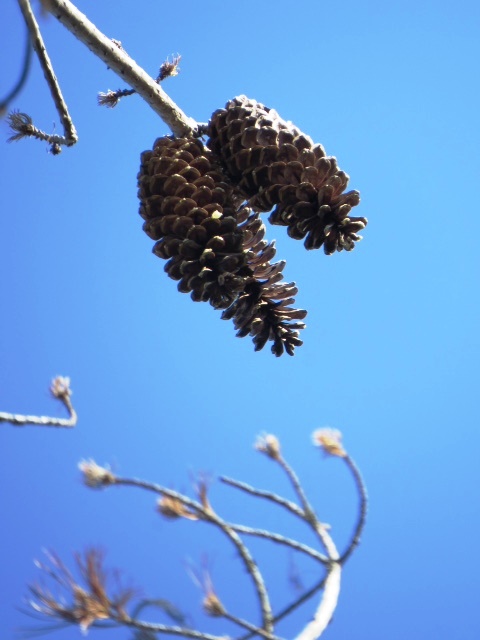
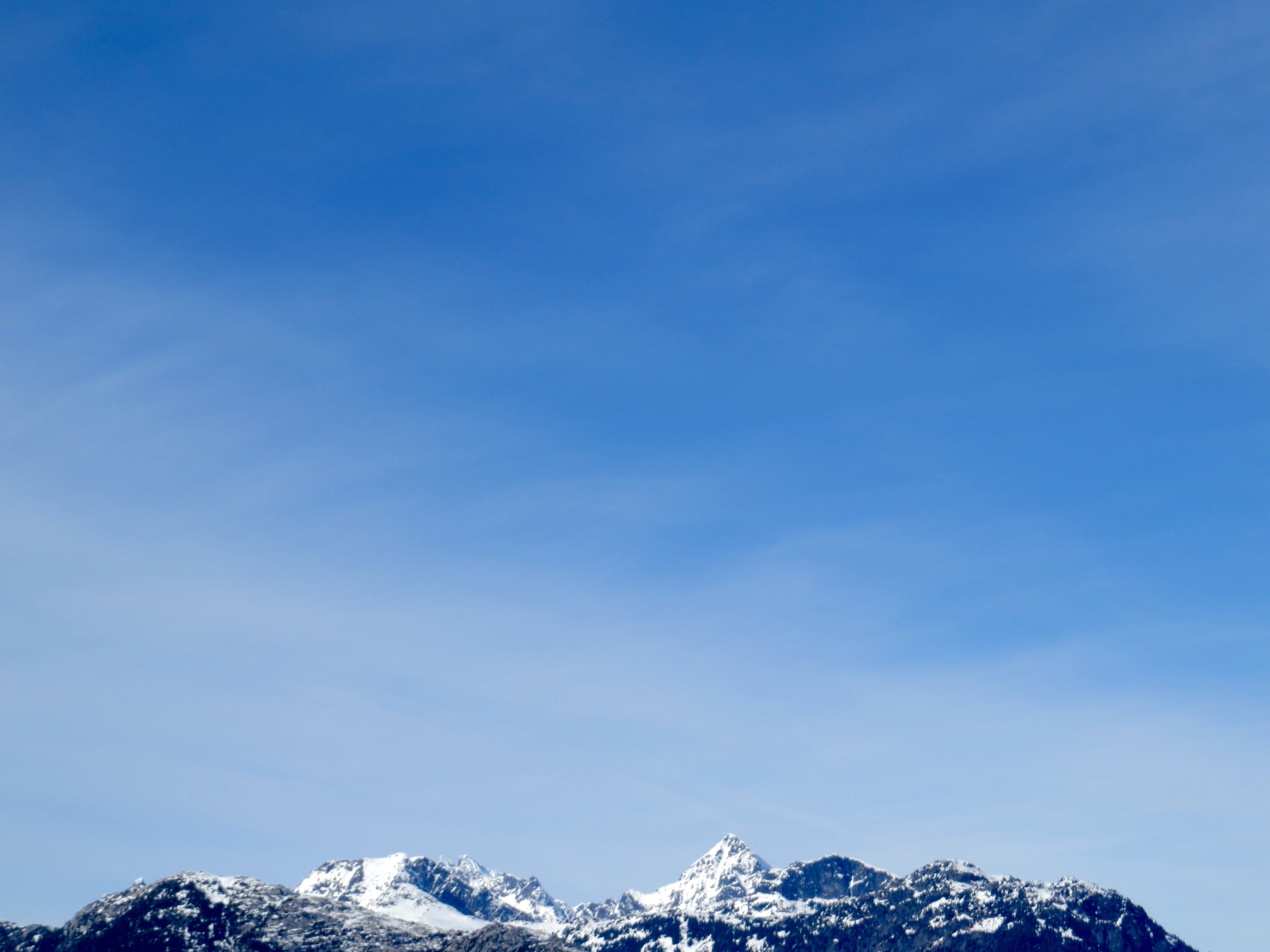 Then, back to the Lodge for some snacks and a rest in the sunshine. And of course, a selfie to commemorate the day!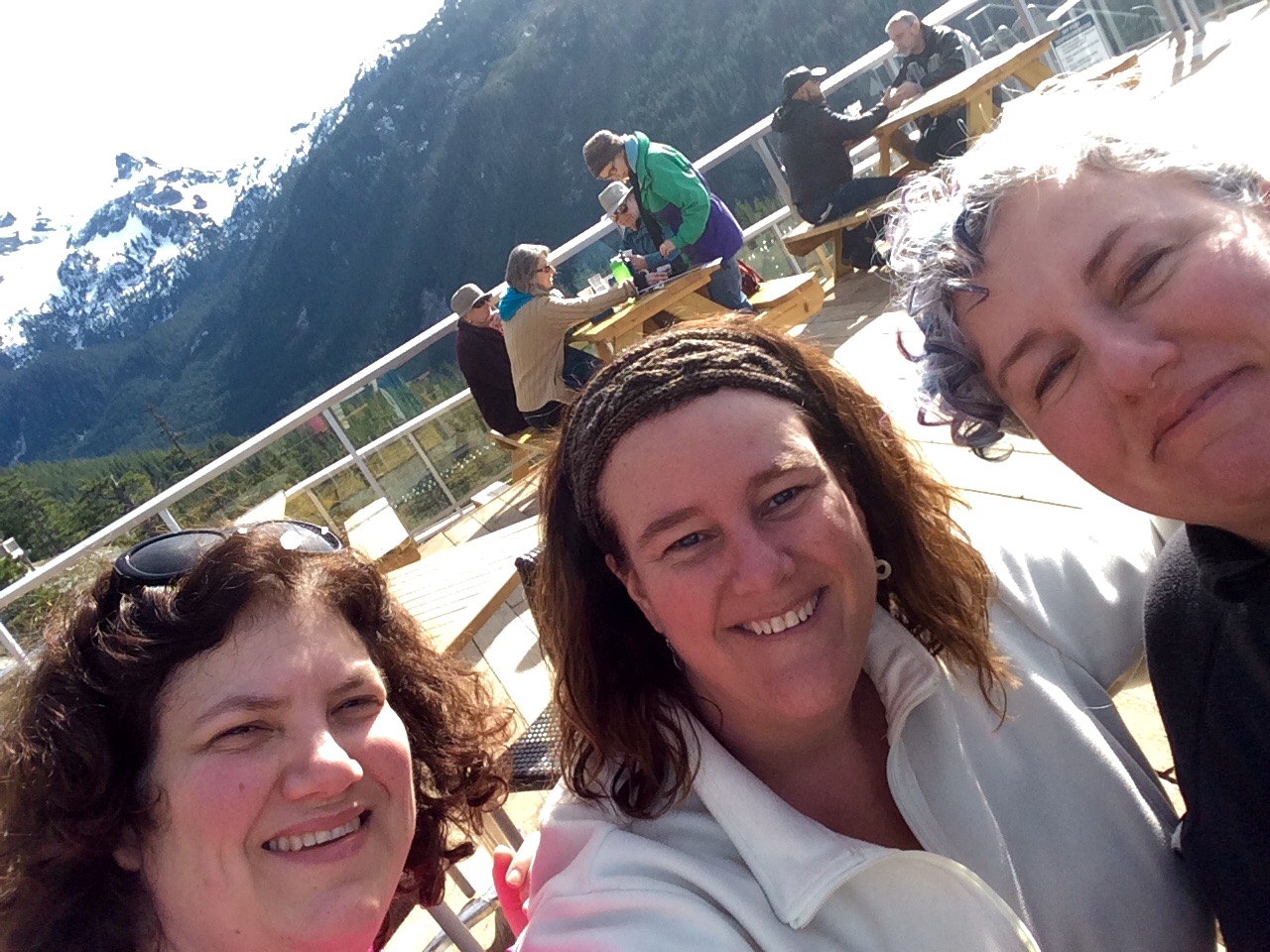

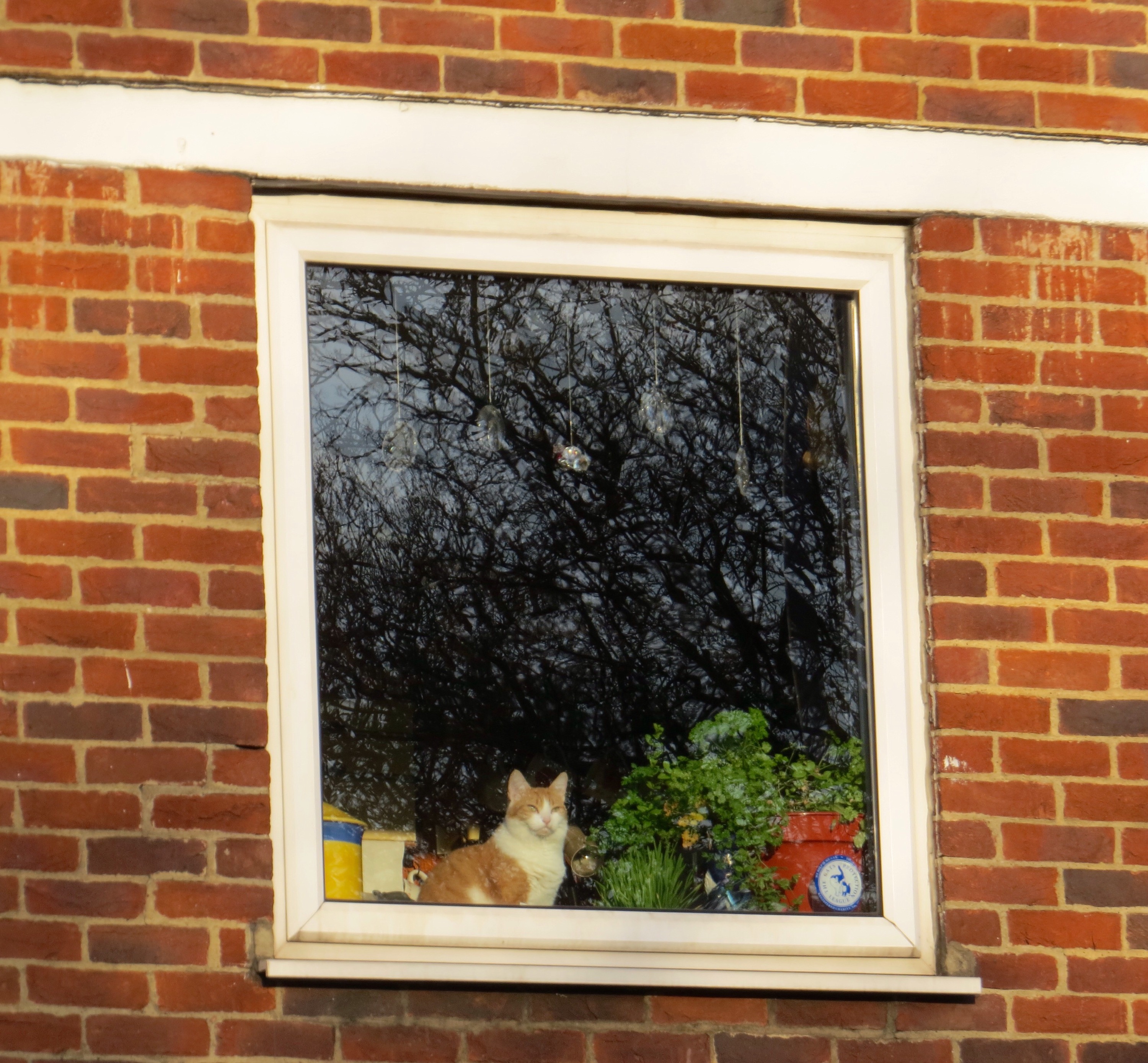
I’m back in the UK visiting friends and today we visited with their friends in Rochester. Like all good British towns, it had a cathedral, a castle and a nice high street.
First, the castle. Built in stages from the 11th to 14th century, quite a bit of it was still standing. I’m watching a great show right now called “Secrets of the Castle” which follows the construction of a 13th century castle using tools and techniques of the time. One of the things that I found interesting is that the castles of the time would have been covered with a white limewash. So, while we’re used to seeing the stone, in fact, both the inside and outside of the castle would have been covered. Looking at the Rochester Castle now was pretty impressive. It must have been quite a sight in white!!


The Cathedral in Rochester, built in the Norman style, is England’s second oldest and was founded in 604AD by Bishop Justus. The present building dates back to the work of a French monk, Gundulf, in 1080. Yes, I took a picture of “Gandalf”.
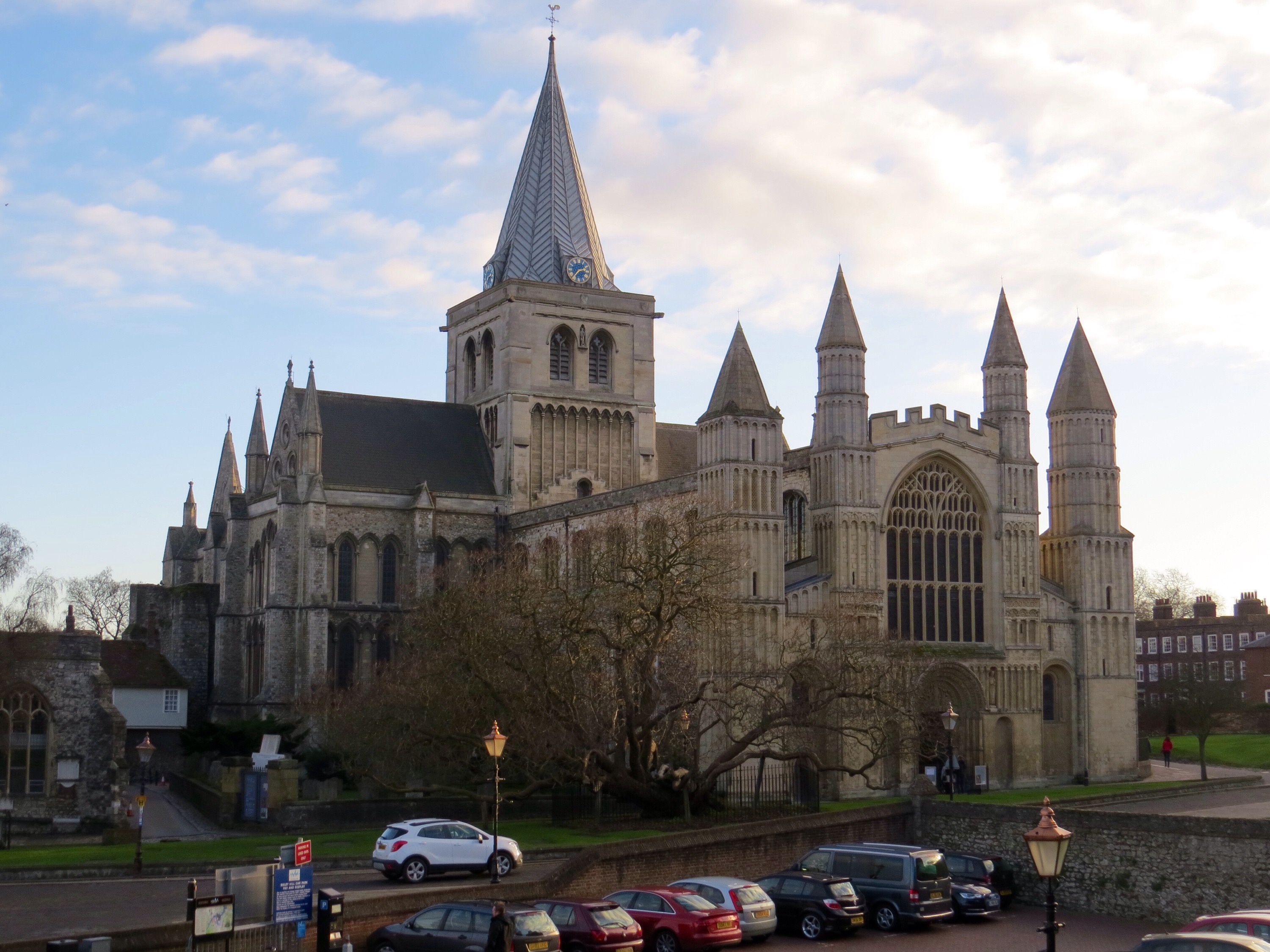
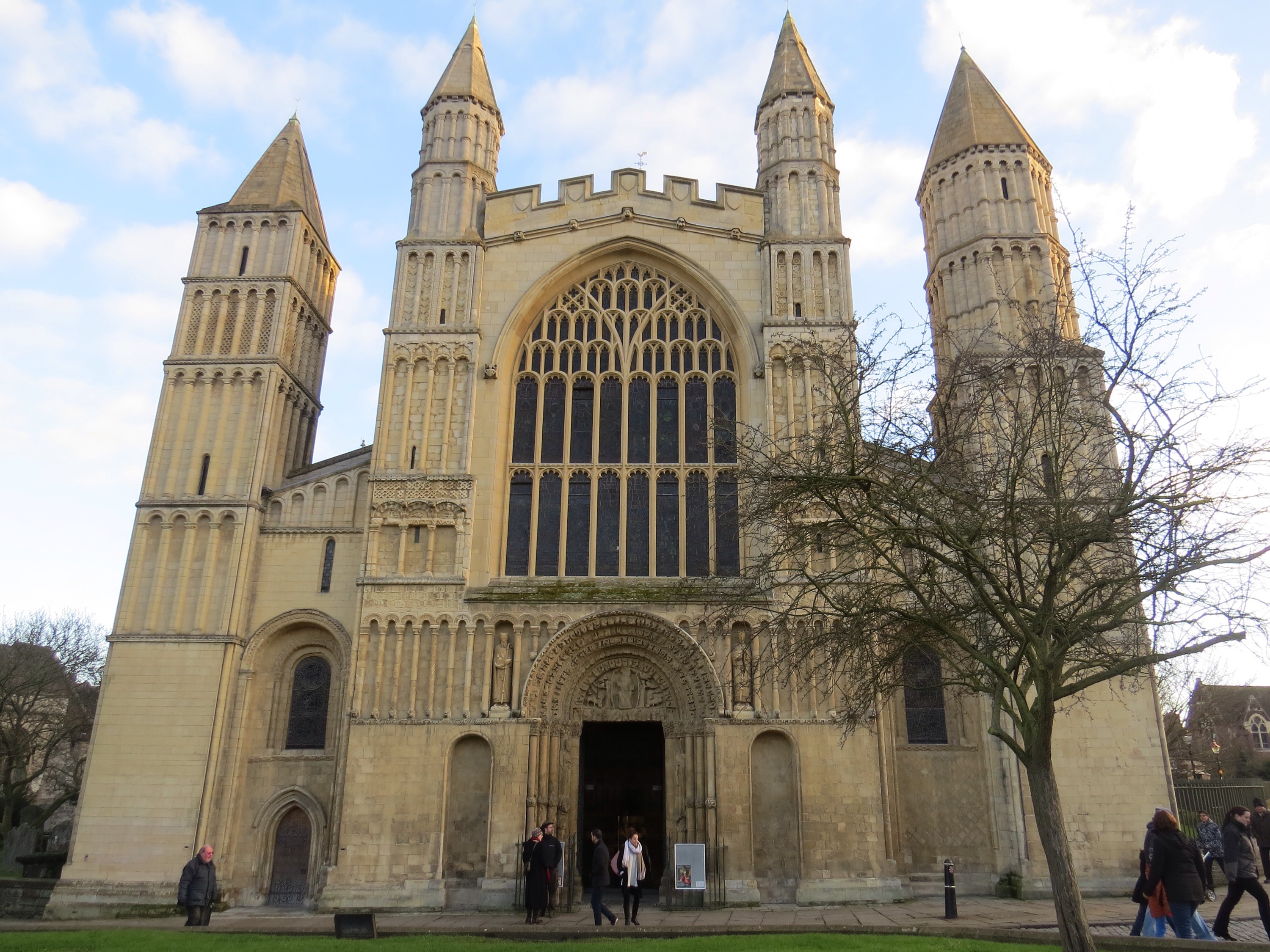

The high street of Rochester was lovely and although the french pastry shop was closed, we did find a little cafe to have tea and cakes.

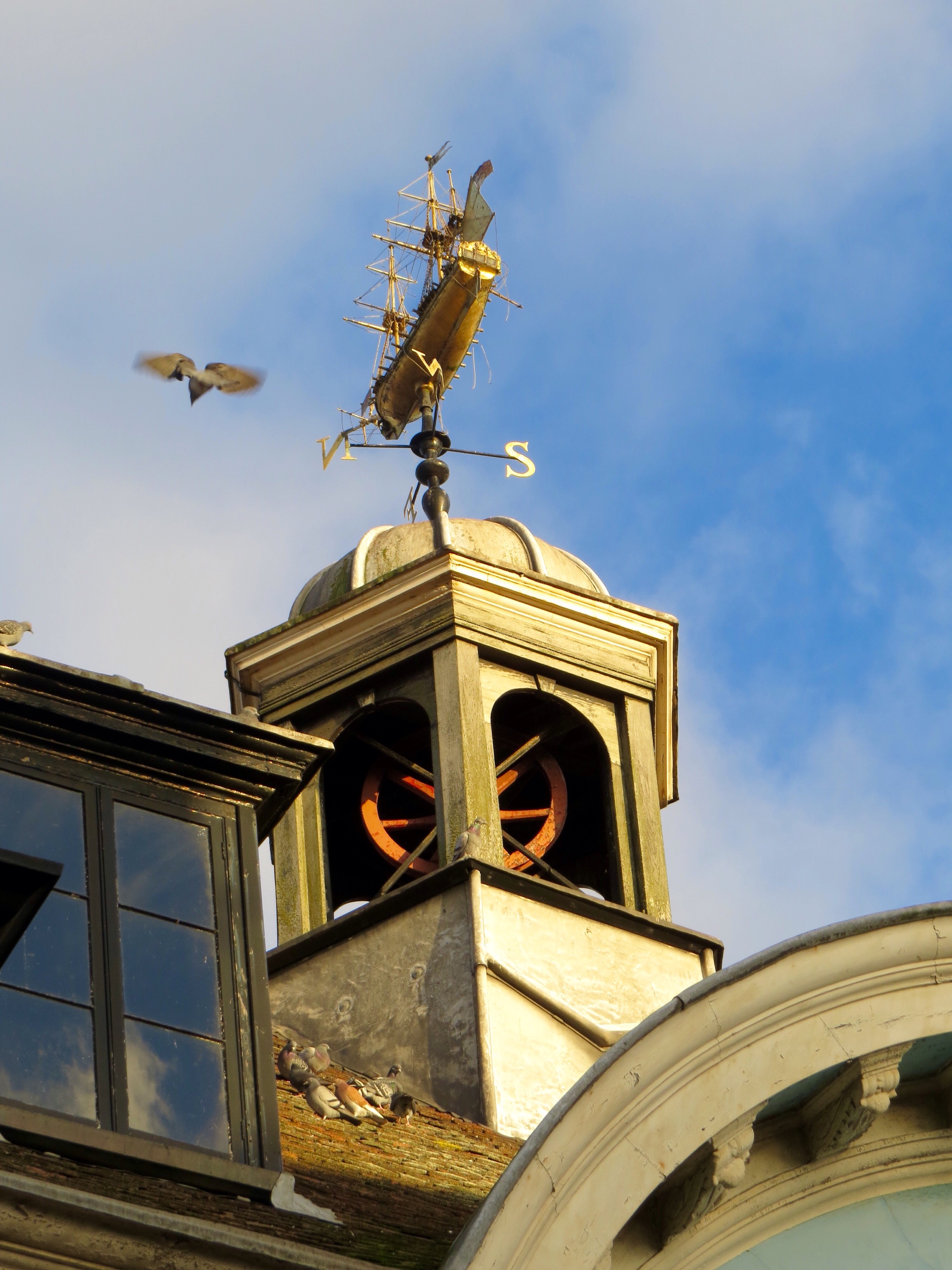
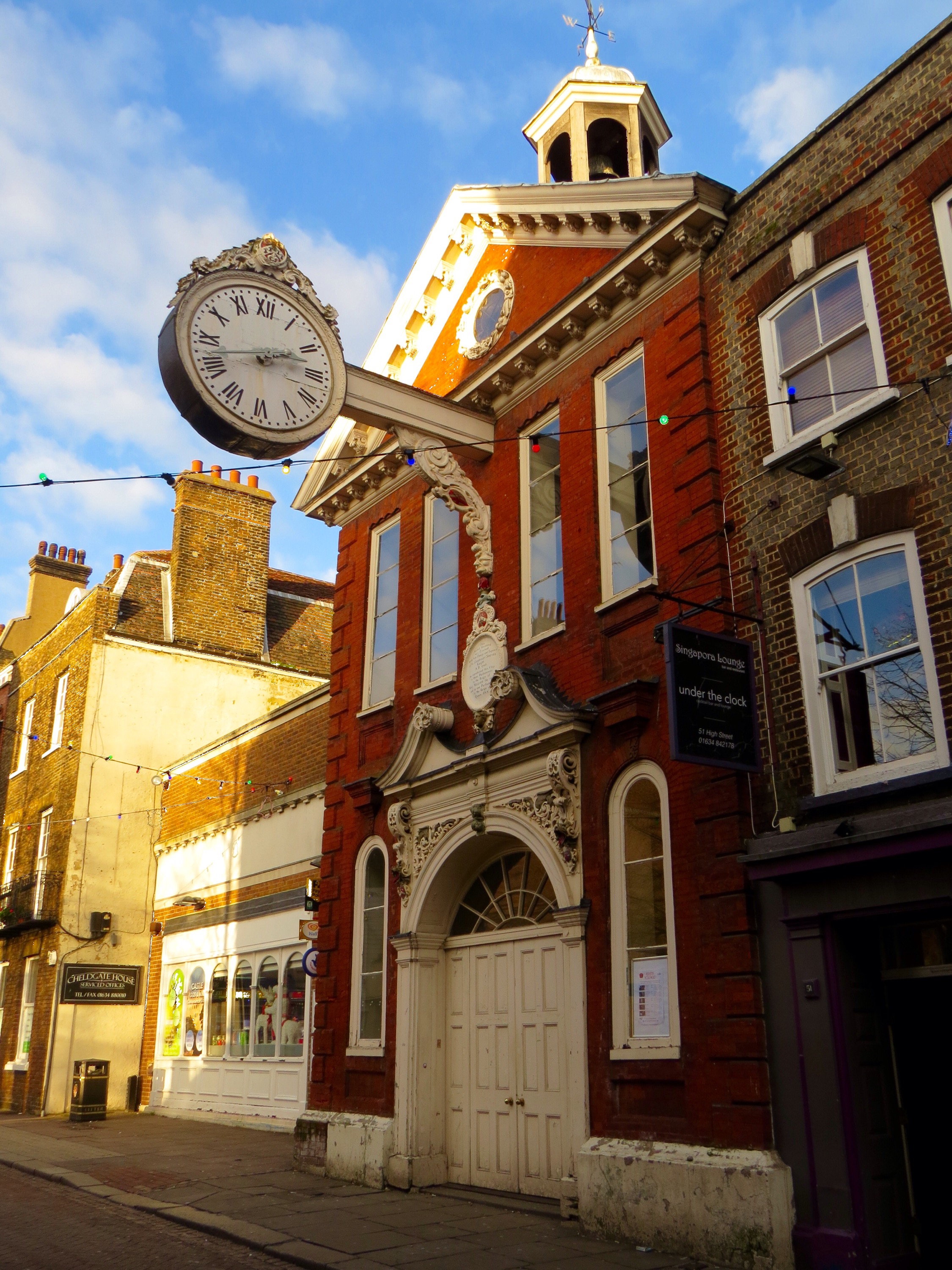
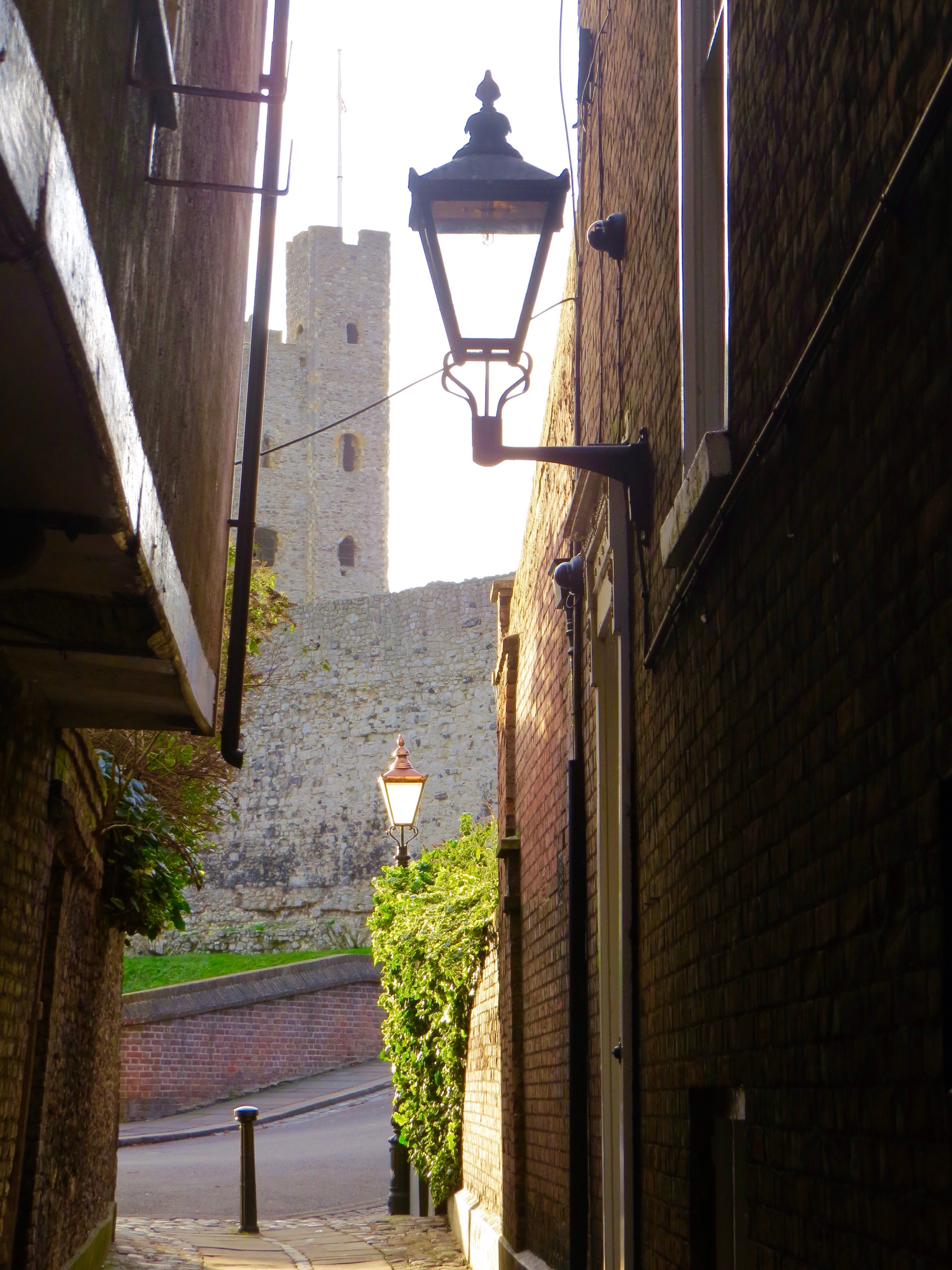
Altogether, a lovely day with the added bonus of lots of sunshine.
A few weeks ago, I had a pleasure of visiting Quebec City or Quebec, one of the oldest European settlements in Canada. It was founded in 1608 by Samuel de Champlain, a French Explorer. Quebec has a long history of key battles between the English and the French not to mention New England (aka America) and the “Indians”. The walls surrounding the old part of town are the only fortified city walls remaining in the Americas north of Mexico. Located along the St. Lawrence River, the name Kébec, is an Algonquin word meaning “where the river narrows”.
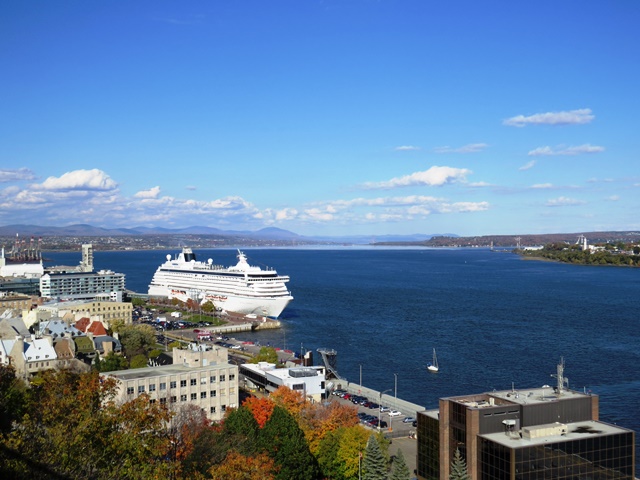
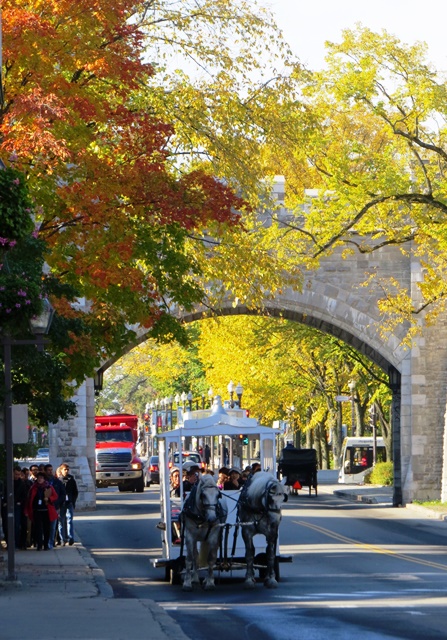
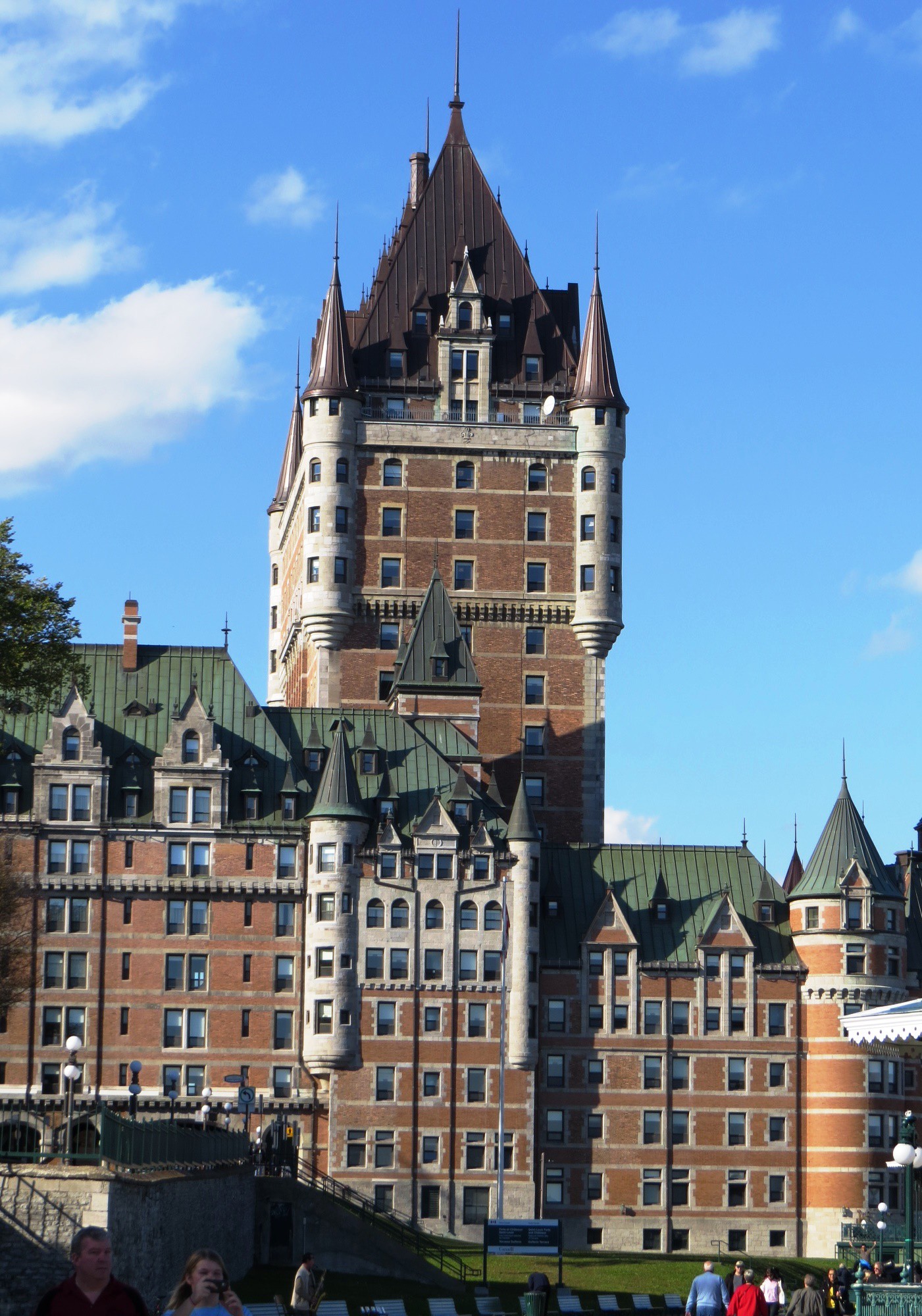
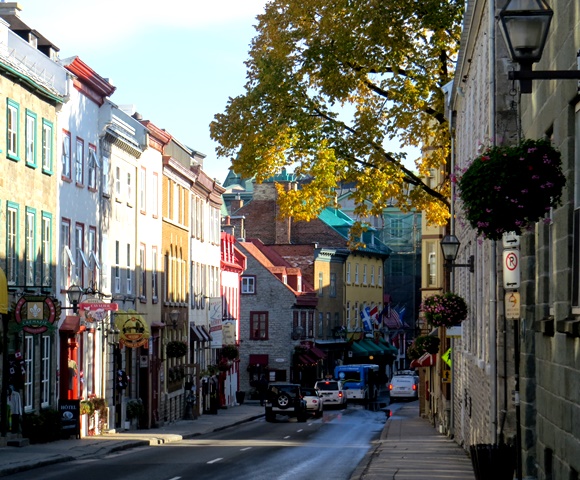 One of the most beautiful buildings in the Old Town is the Château Frontenac. It was opened in 1893 and was built by the Canadian Pacific Railway as part of a series of chateau-like hotels which promoted luxury tourism by appealing to wealthy travelers. Not only a beautiful building, it is located at the top of Cap Diamond, which makes it a striking part of the Quebec city skyline.


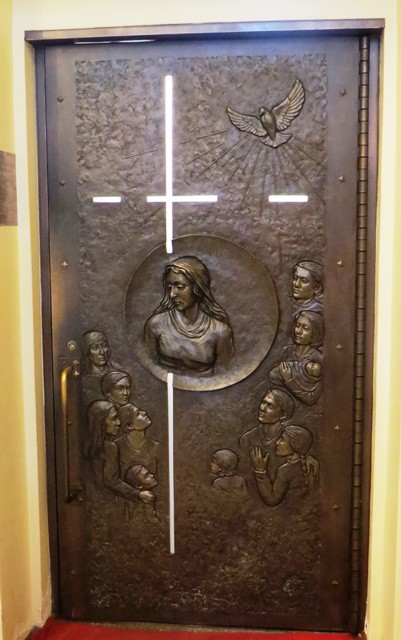
 While in Quebec, I also had the rare opportunity to walk through the Holy Door at the basilica of Notre-Dame de Québec. Now celebrating its 350th anniversary, the Church was the first Catholic diocese north of Mexico and is seen as the mother parish of all Catholic dioceses in Canada and the U.S. Built for the Jubilee celebrations, the Holy Door has the figure of Christ on the outside and Mary on the inside and is one of only seven in the Catholic world and the only one in North America. On December 28th of this year, it will be closed and sealed until the next Holy Year of the Roman Catholic Church, around 2025.
I am not a Christian but doorways and passageways have long been a symbol of transition in many cultures and religions around the world. Marking liminal space, they represent the journey from one place into another, both physically and spiritually. And, when done with intent, they can offer insight into the process of change and the personal commitment a person can make towards living a certain way in the world.

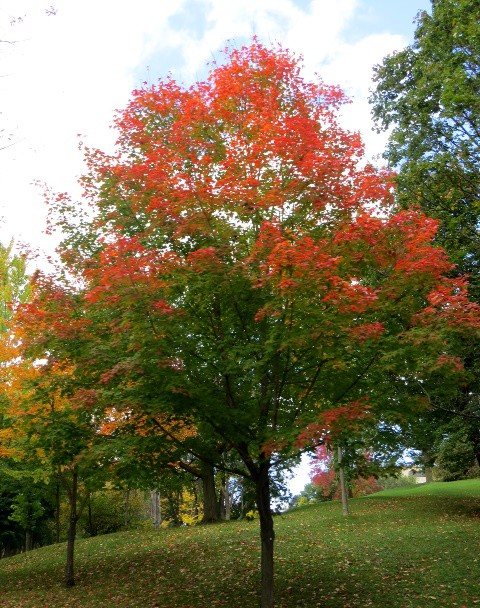
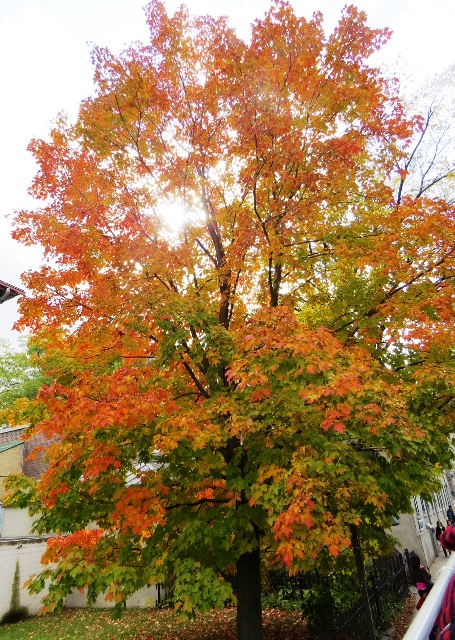
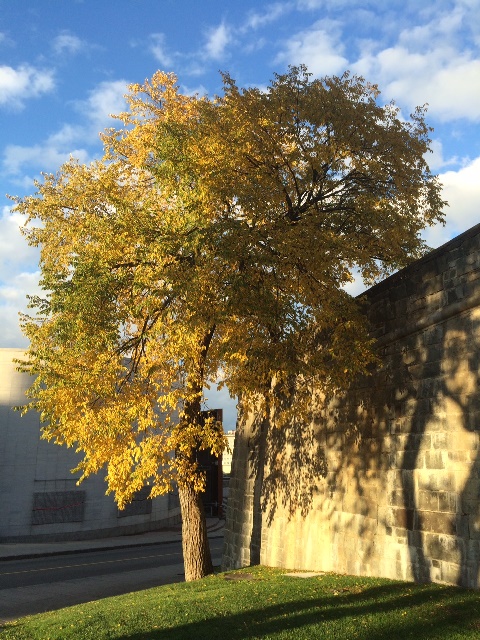
 But as beautiful as the various buildings were, for me the real treat was seeing the fall colours. The transition from green to red and orange and yellow all set against the blue sky and sun (well, mostly sun) made for the perfect reason to get out and walk around this beautiful, but hilly, city.

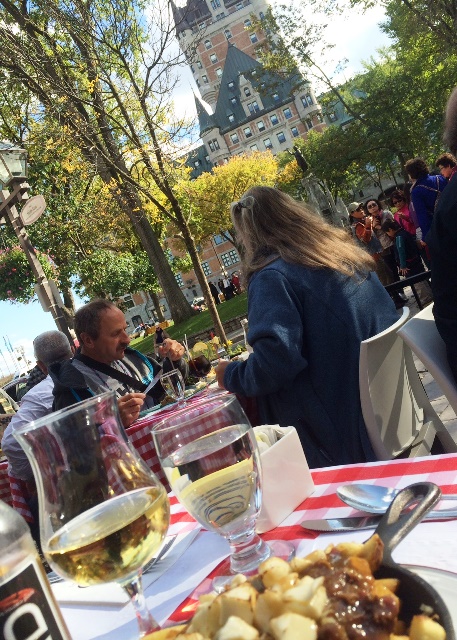
 And. lastly, of course I had to try the signature dish of Quebec … poutine! I have had poutine before but never in its birthplace of Quebec. For those who have not tried this delicious dish, poutine is french fries, topped with gravy and cheese curds. You can have a variety of other toppings on poutine. I chose elk and rabbit meat. And, in an added Quebec bonus, I had mine in an outdoor cafe overlooking the Château Frontenac and with a glass of Quebec cider. The key to good poutine, in my opinion, is the quality of the cheese curds. They should be firm, not too soggy from the gravy, with a slight squeak against your teeth. My verdict? Perfect!

I’ve been pushed around and pulled apart
Been carrying around that jigsaw heart
But I got friends just down the road
And they know where the pieces go


 A Fish and a Bicycle