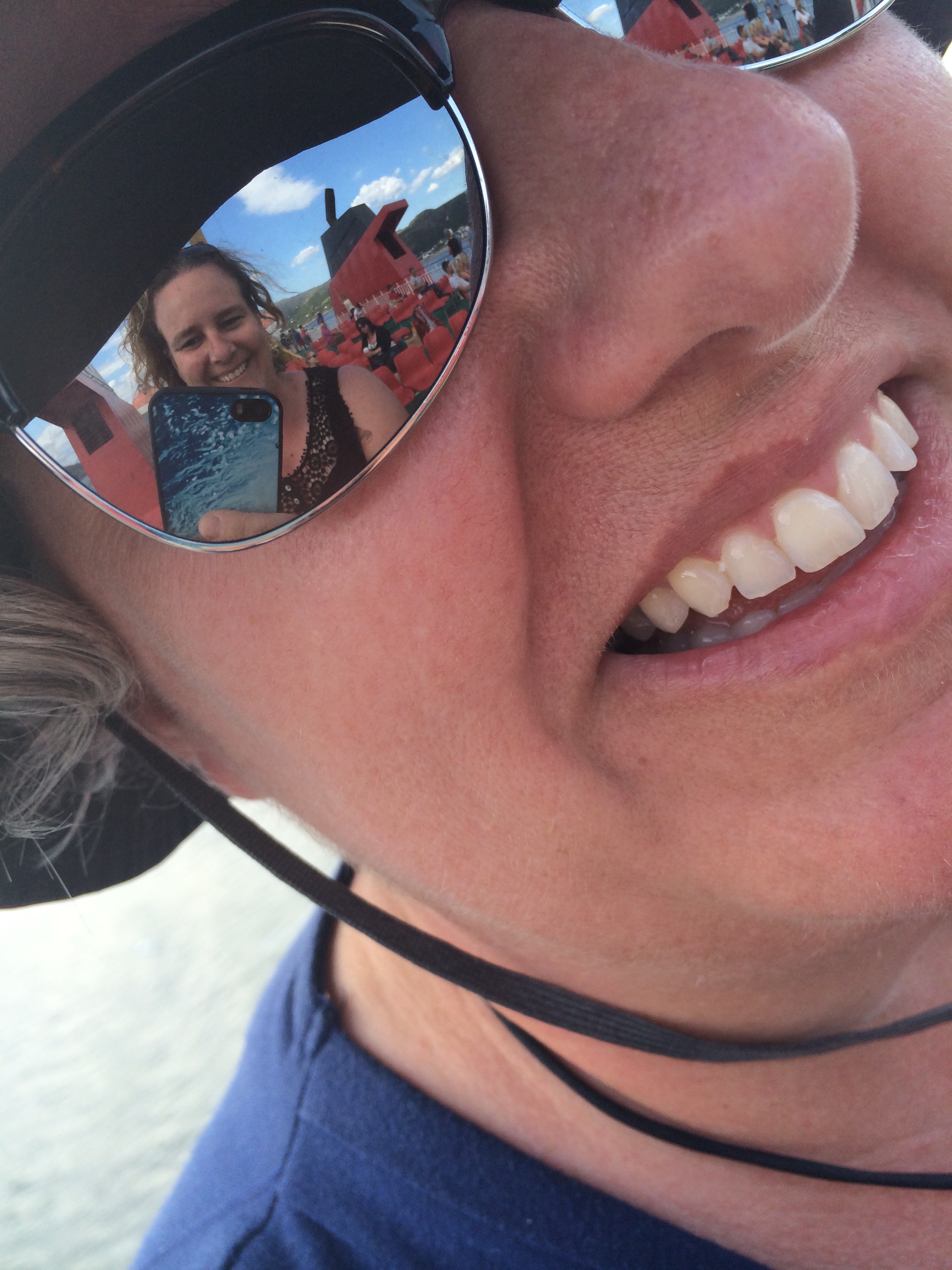
Wordless Wednesday – Sister Selfie
1
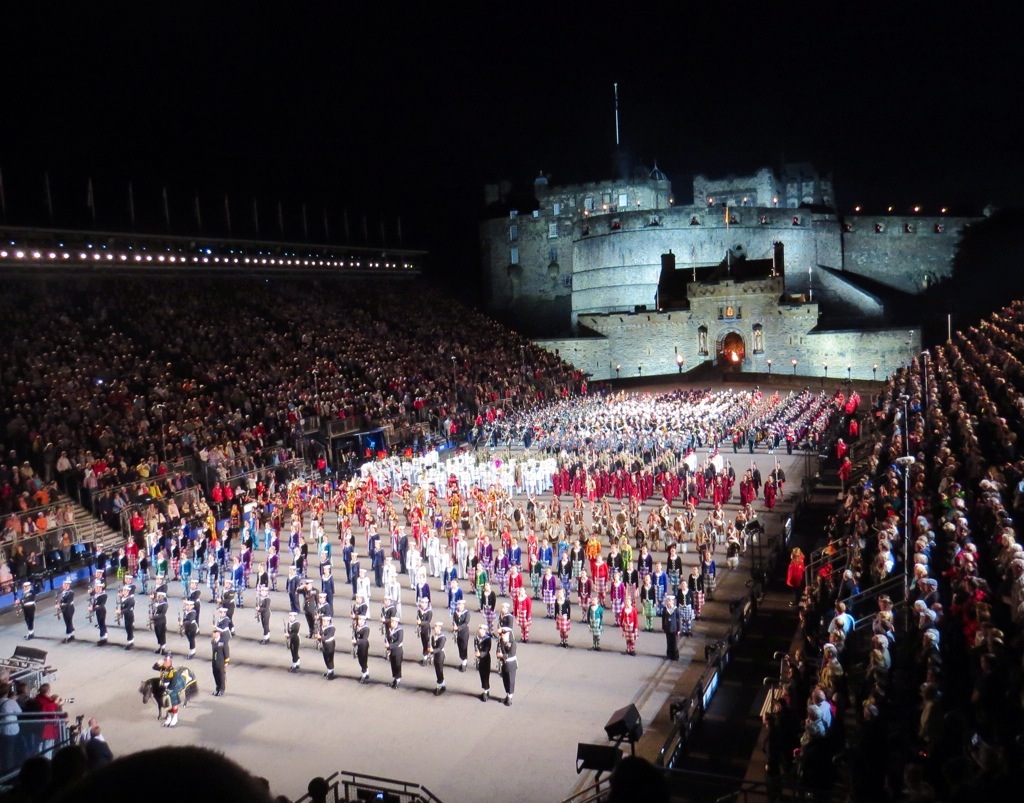
I have long wanted to see the Edinburgh Military Tattoo and on August 1st … mission accomplished!
The Edinburgh Tattoo is a show put on by military marching bands from the British Forces and units throughout the Commonwealth. It is held on the courtyard of Edinburgh Castle for ten days at the beginning of August each year. This year was the 65th Tattoo. The word “Tattoo,” is derived from “doe den tap toe”, or just “tap toe” (“toe” is pronounced “too”), the Dutch for “last orders”. Translated literally, it means: “close the (beer) tap”.
 As a kid, I didn’t share much in musical taste with my Dad but one thing we did share is a love of marching bands and bagpipes. I can remember watching the Tattoo on TV when I was little and hoping I would get to see it live one day. My parents saw the Tattoo in 1960 when they were on their honeymoon in the UK. Knowing I would be in Scotland for a hiking trip this summer, tickets to the tattoo were purchased way back in January.

Each year’s Tattoo is different and this year featured a theme, “Our Home, Friends and Family” which told the story of Scots who travelled away from home and settled throughout the Commonwealth, spreading their culture along the way. It featured groups from around the Commonwealth – South Africa, Singapore, India, New Zealand, Trinidad and Tobago and Malta. The show kind of blithely ignored that some of these places didn’t voluntarily join the Commonwealth (uh, British colonialism, anyone?) but I did enjoy the range of performers.
The group from South Africa, the iNgobamakhosi Zulu Dance Troupe.

The group from Trinidad & Tobago, the Trinidad and Tobago Defence Force Steel Orchestra, the only military steel drum band in the world. At some points during the show, they projected images against the Castle walls, as you can see here.


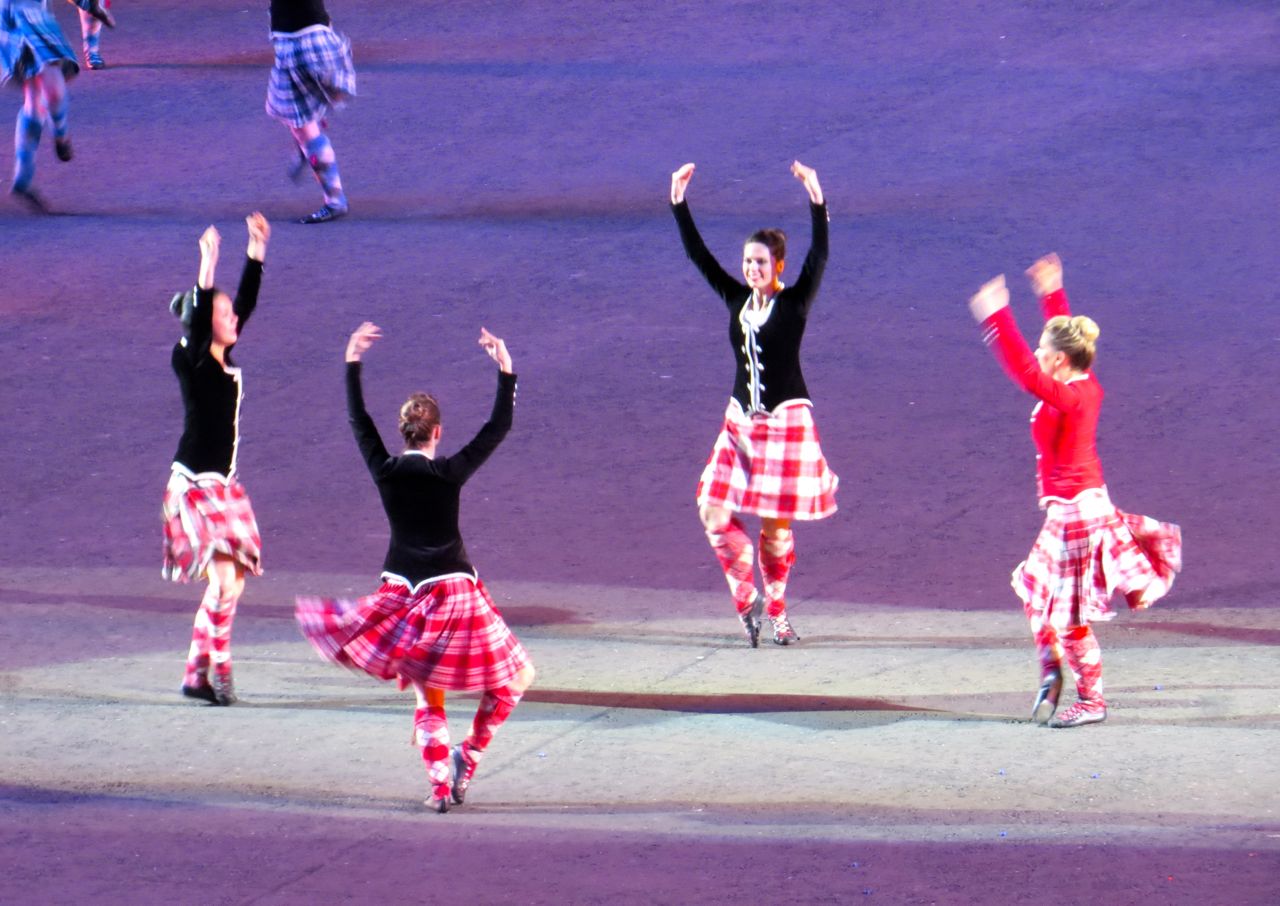
There was also lots of highland dancing …
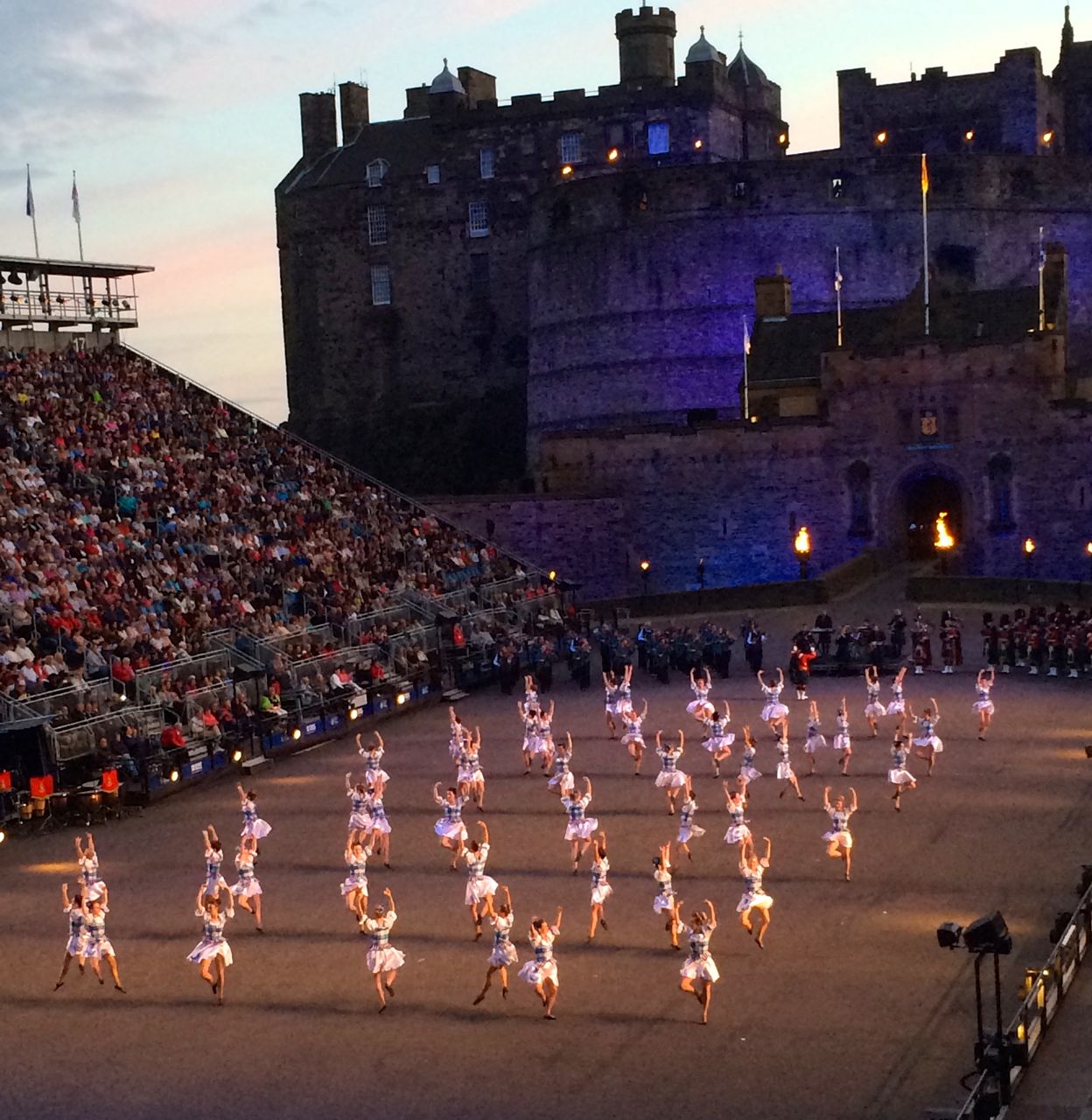
Of course, my main love is still bagpipes and marching bands and there was lots of that. The grand finale included 1150 performers on the esplanade, playing music and dancing as fireworks burst overhead. And, there was a military donkey (I’m not sure why but I was impressed with the poise of the donkey amidst everything).


The recessional … try to ignore my humming and dancing during the video, I couldn’t help myself.
The Tattoo always ends with the lone piper on the walls of Edinburgh Castle. All in all … a wonderful experience.


Once upon a time, the Irish giant Fionn mac Cumhail (Finn MacCool) was challenged to a fight by the Scottish giant Benandonner. Finn accepted the challenge and built a causeway across the sea from northern Ireland to Scotland so that the two giant’s could meet in battle. Fionn crossed the causeway but when he saw how big Benandonner was he fled back home.
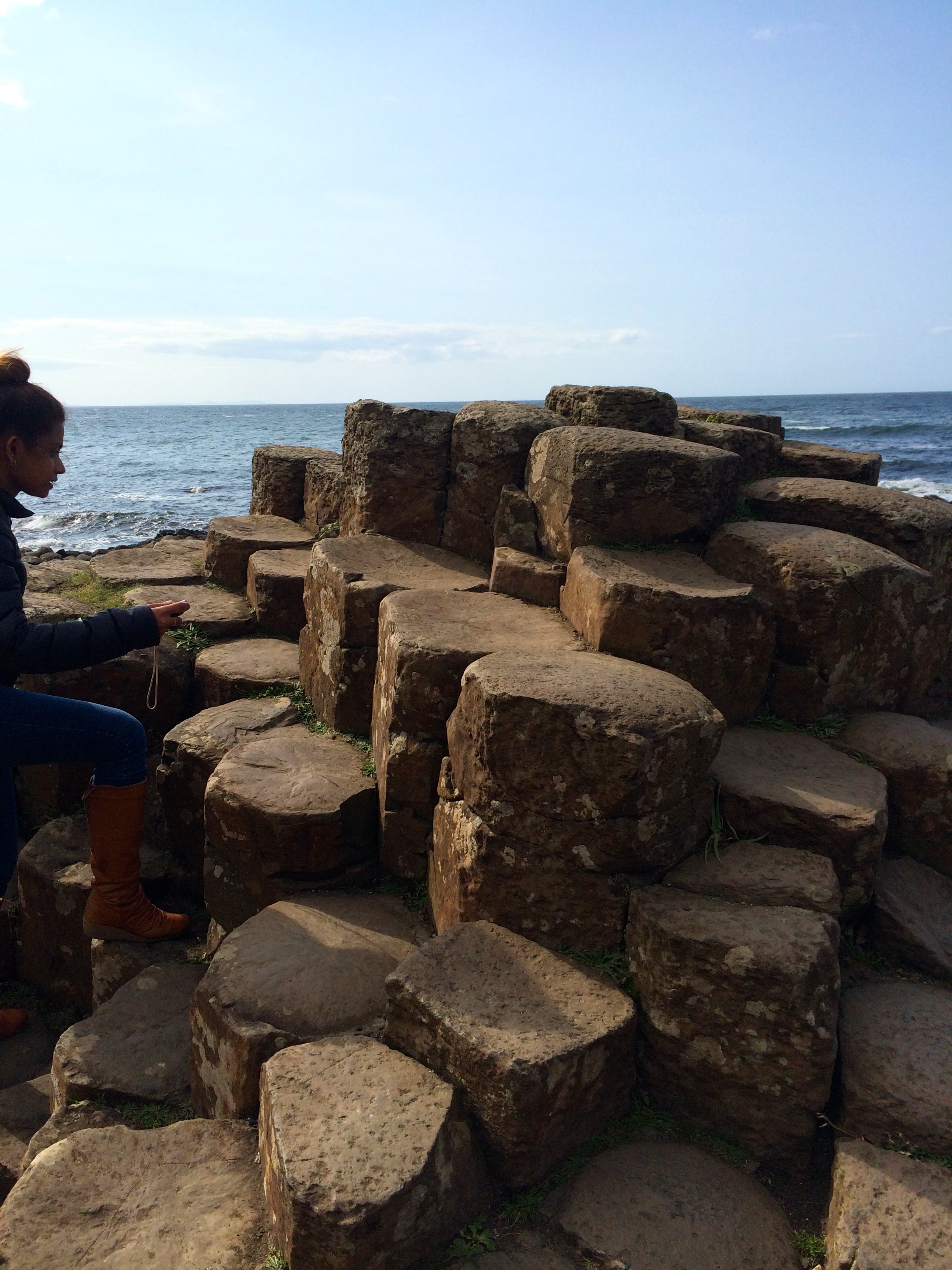

Fionn pleaded with his wife, Oonagh, to help him and she told him to get in the baby’s cradle and put on his bonnet. When the giant Benandonner showed up, Oonagh told him that Fionn was not home and it is just her and her “baby”. When Benandonner saw the size of the “baby” he figured that Fionn must be much bigger and he fled back to Scotland destroying the causeway behind him so that Fionn could not follow.

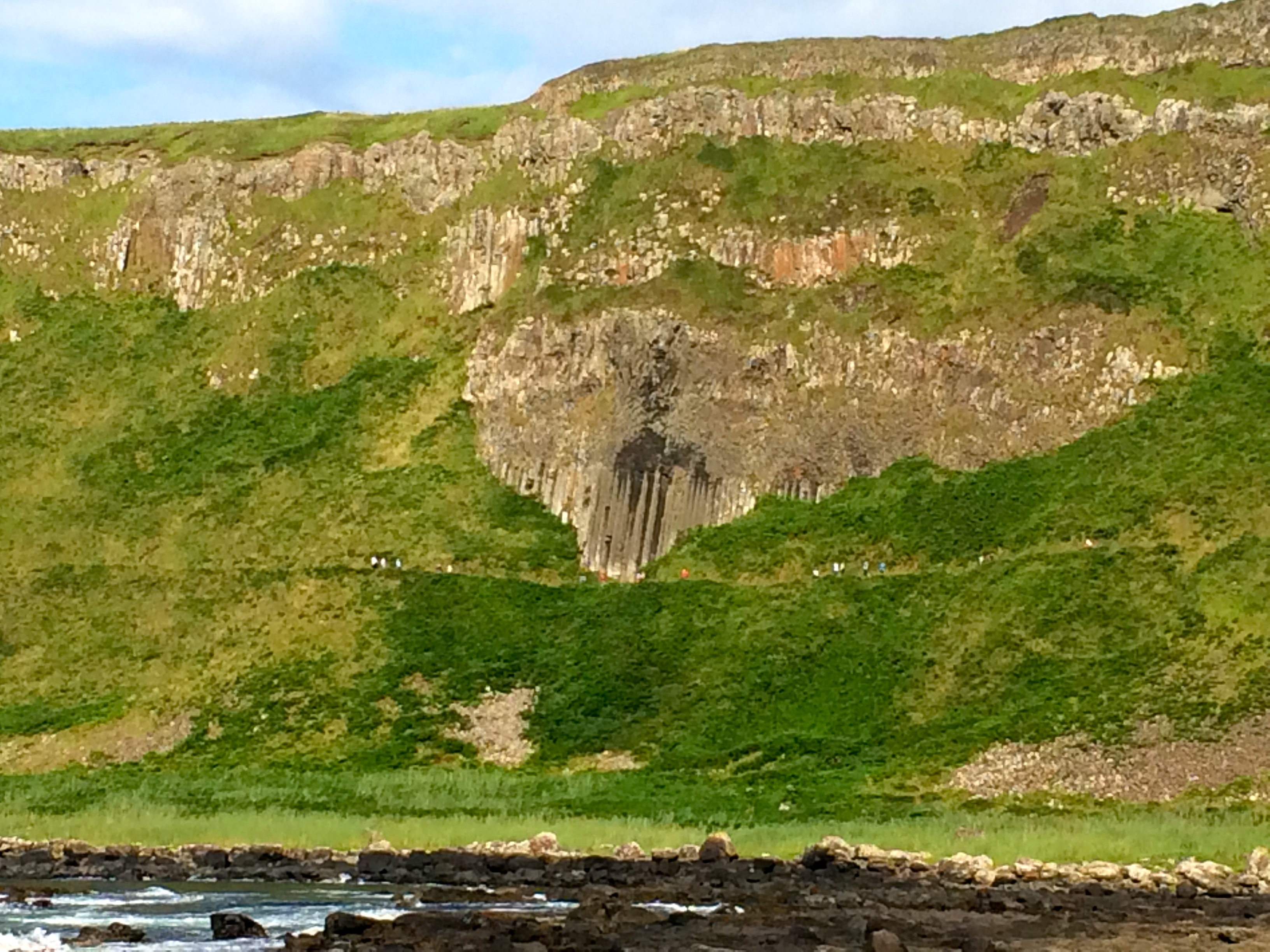
The peaks of rock in the distance are the chimneys of Finn and Oonagh’s home.
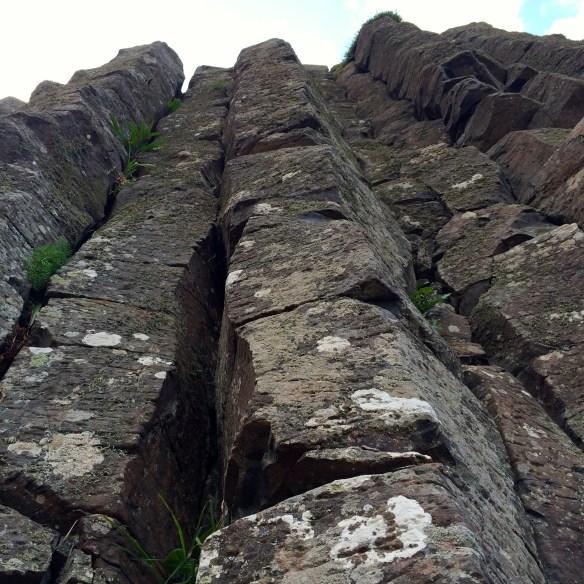
The columns in this picture are known as the Organ Pipes. On them, Fionn played songs written by his son.
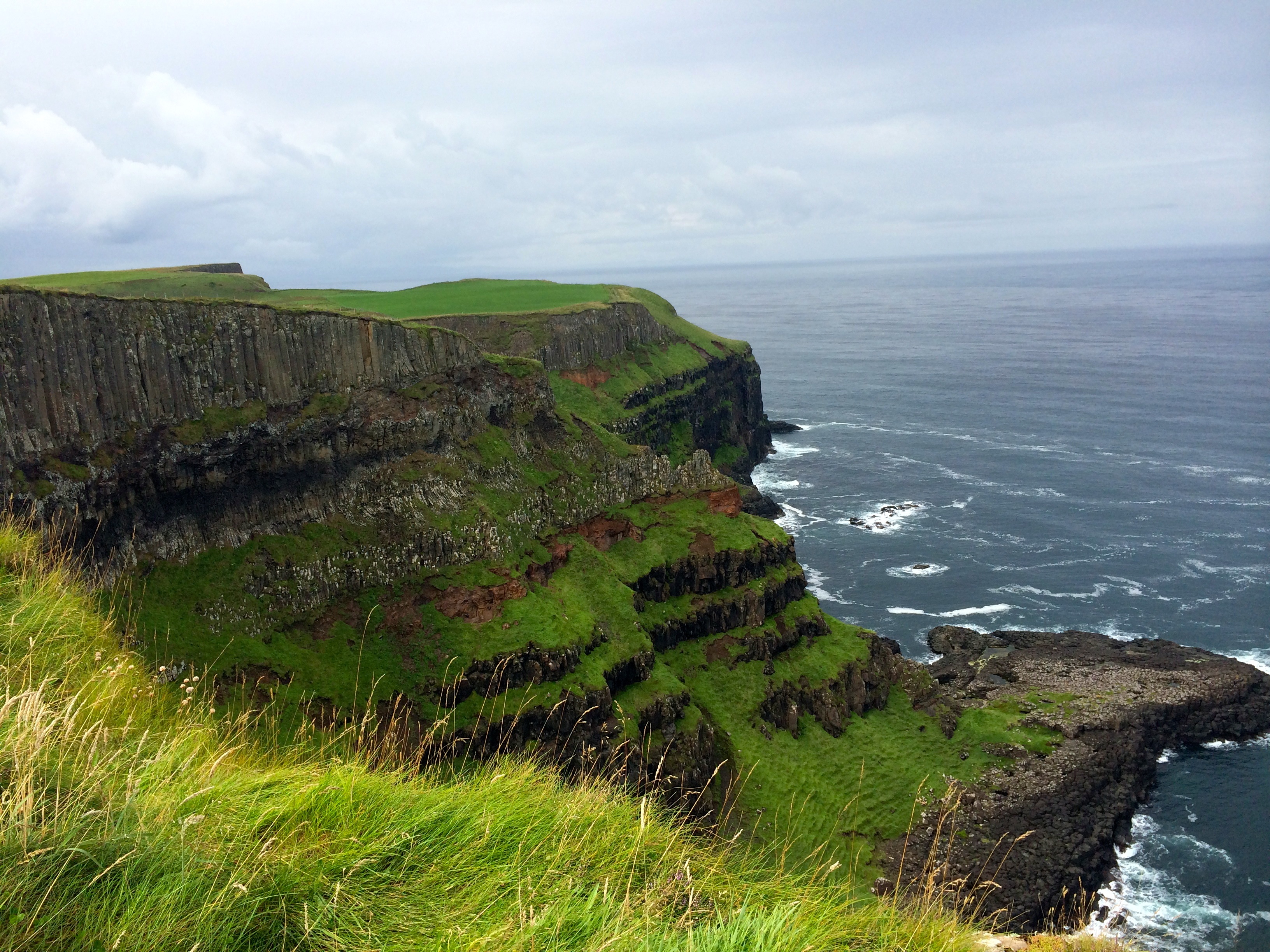
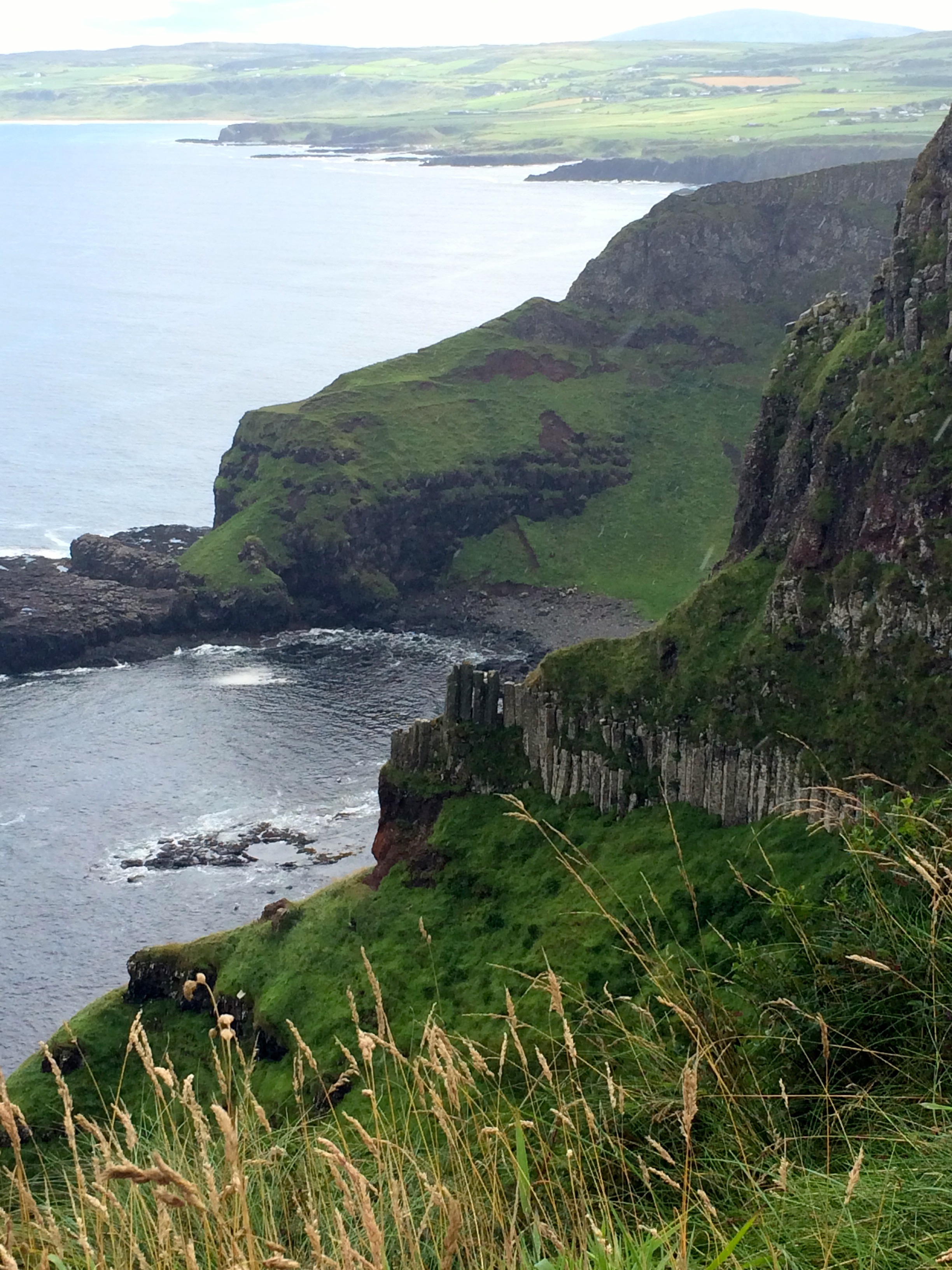
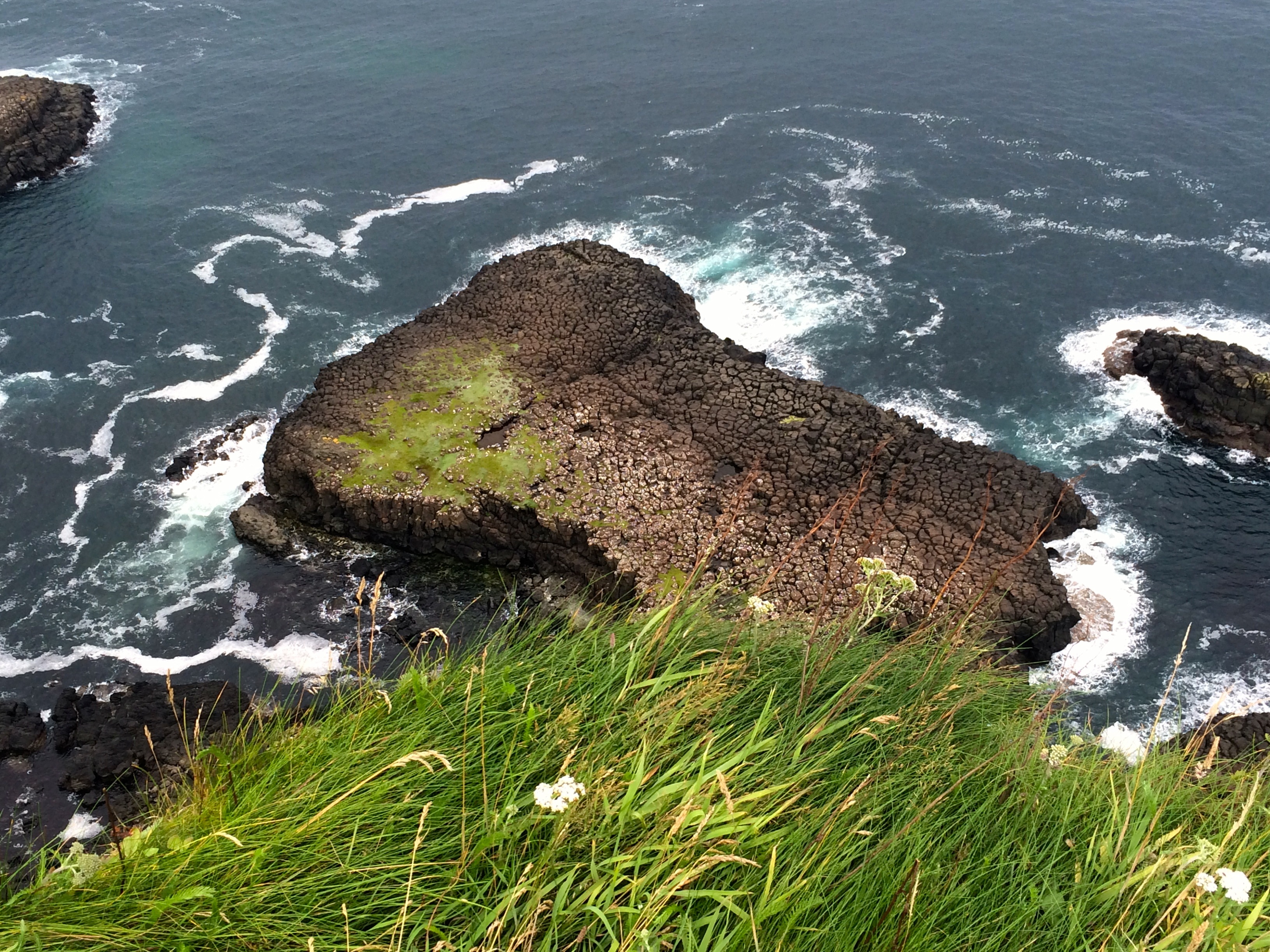 Giant’s Causeway has long been on my list of places to visit. An area of about 40,000 interlocking basalt columns located on the north coast of Ireland, it is the result of an ancient volcanic eruption. Most of the columns are hexagonal, although there are also some with four, five, seven or eight sides. The tops of the columns form stepping stones that lead from the cliff foot and disappear under the sea.The tallest are about 12 metres (39 ft) high, and the solidified lava in the cliffs is 28 metres (92 ft) thick in places. Across the sea, there are identical basalt columns (a part of the same ancient lava flow) at Fingal’s Cave on the Scottish isle of Staffa, and it is possible that the story of Fionn mac Cumhail and Benandonner was influenced by this.
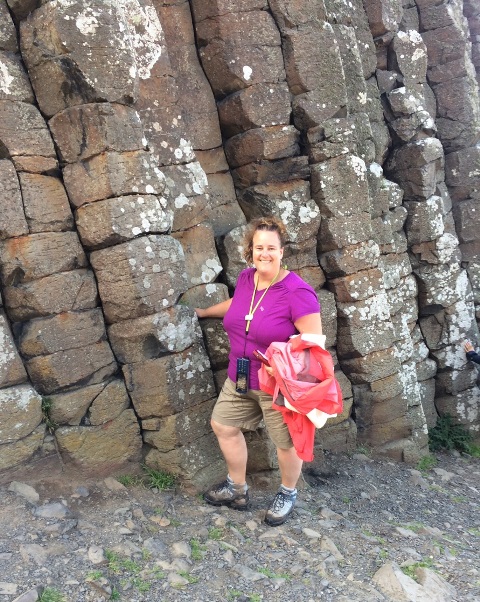
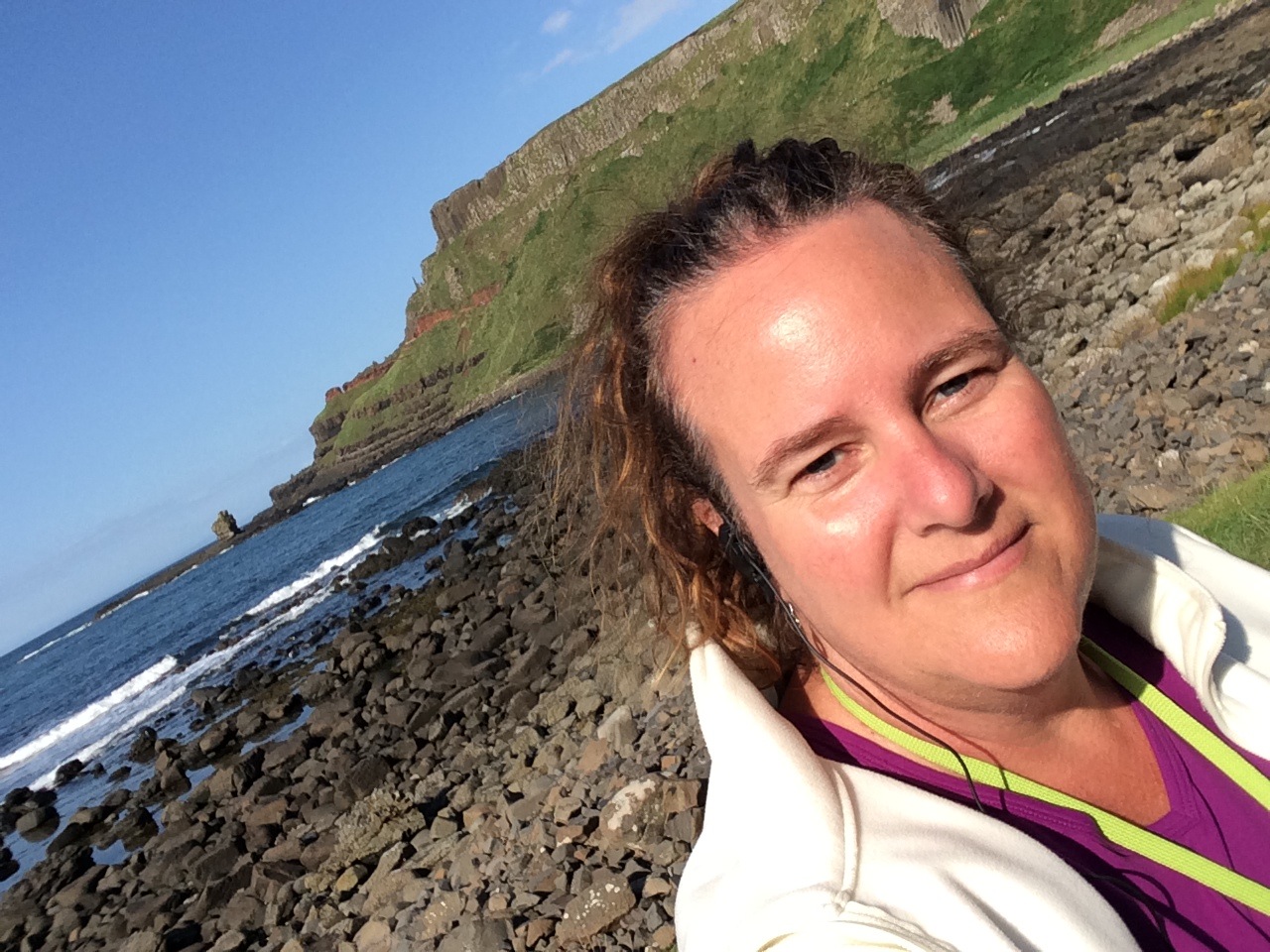
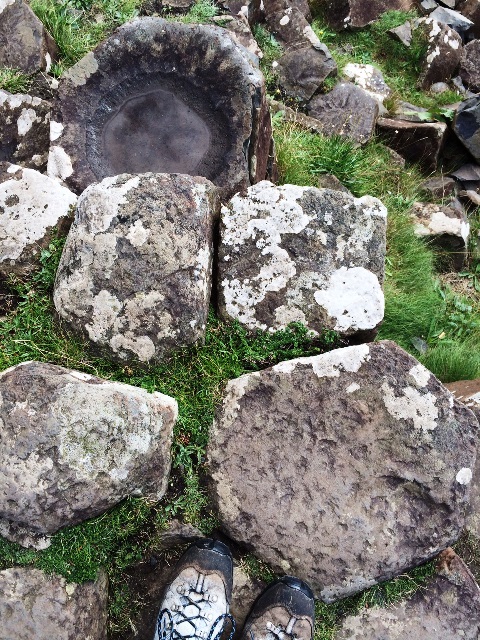 In addition to visiting the Visitor’s center and National Trust site, I also hiked along the trail that runs along the Causeway Coastal Route. A perfect day, truly gorgeous, and I can understand why it is a place of both stunning natural beauty and imaginative myth and legend.
While in Northumbria, a visit to Hadrian’s Wall seemed like a must. The Wall, stretching across north Britain marked the edge of the Roman occupation of Britain at the time. Started in 122 CE, in the time of the Emperor Hadrian, it stretches 75 Roman miles or 177.5km across the country.
Part defensive structure, part border and customs control, the Wall marked the geographical boundary of the great Roman Empire. South of wall, you were Roman. North of the wall, you were a barbarian.

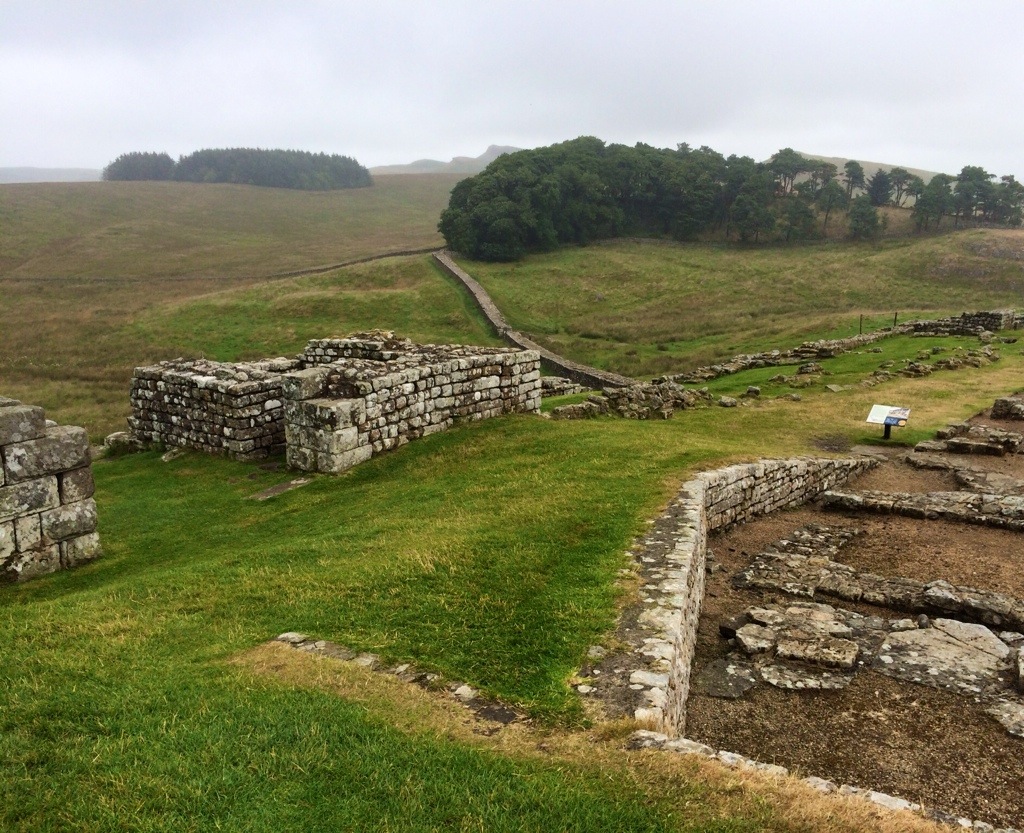
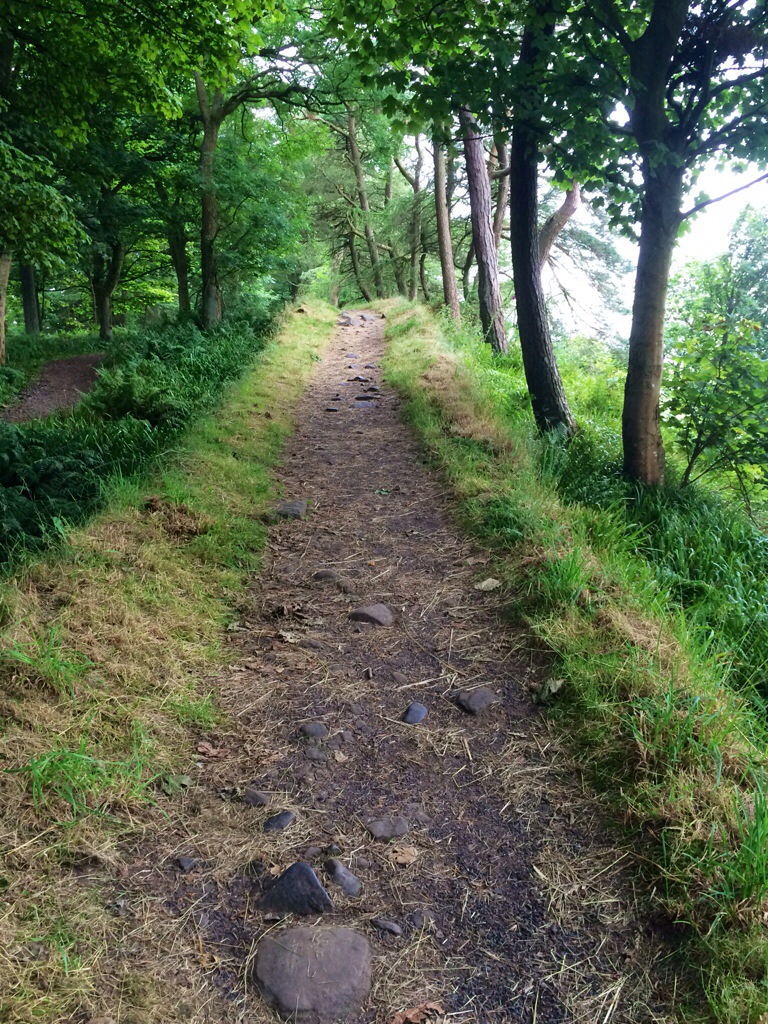
We visited the Wall at Housesteads Roman Fort or Vercovicium. The Fort was a garrison but also a settlement. In addition to barracks and administrative offices, there were bake ovens, granaries with pillars that supported a raised floor to keep food dry and free from vermin and, of course, a bathhouse.
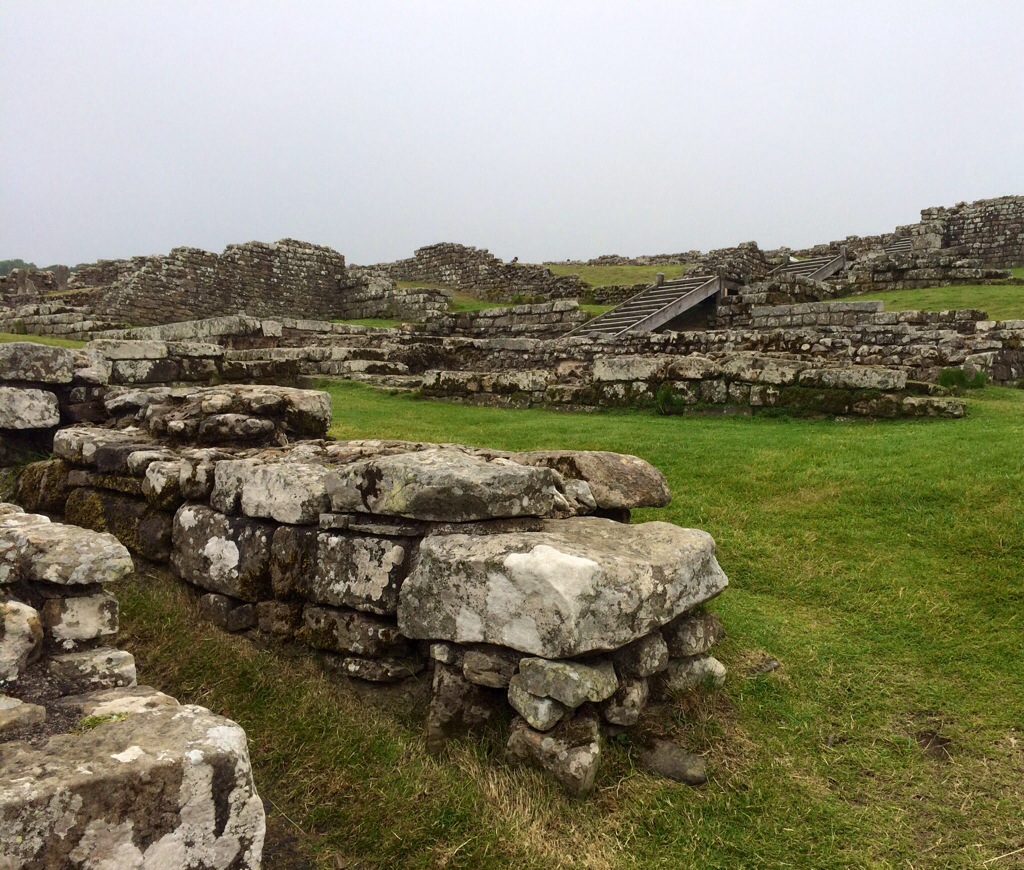
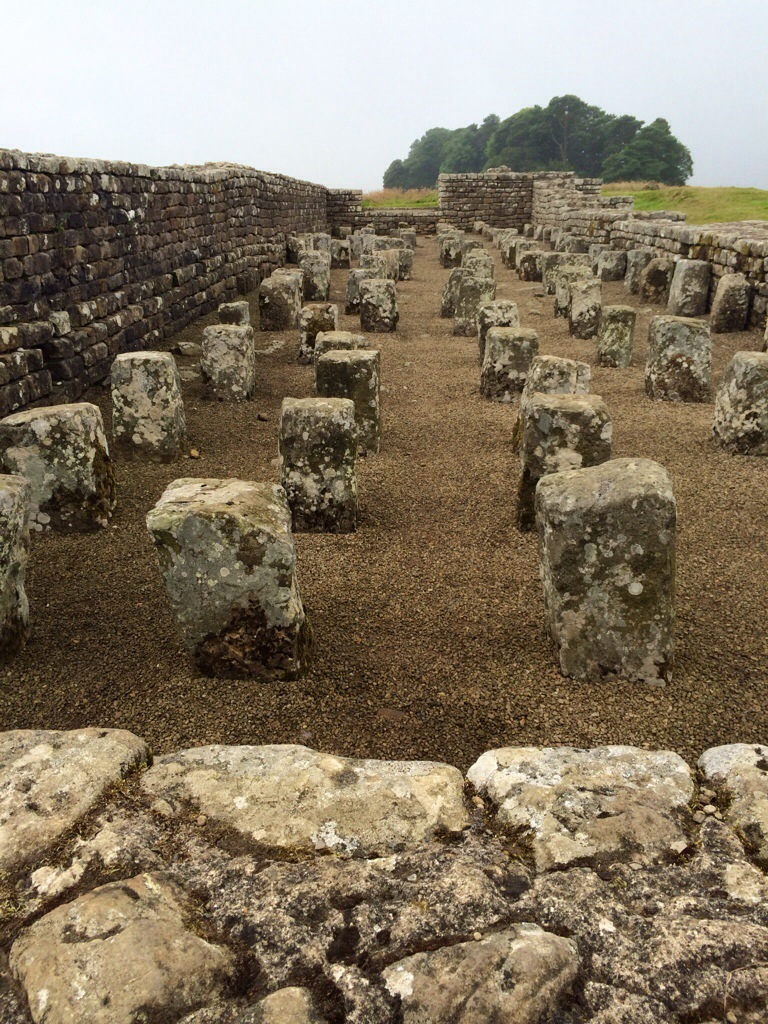
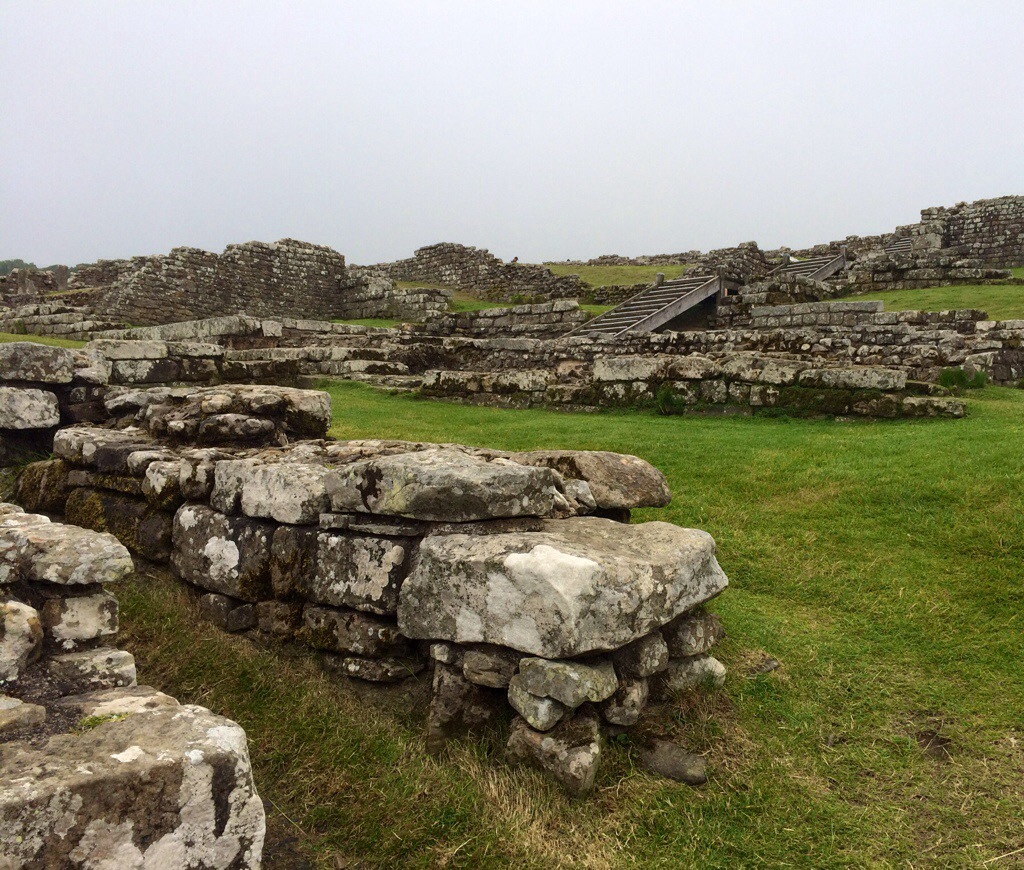
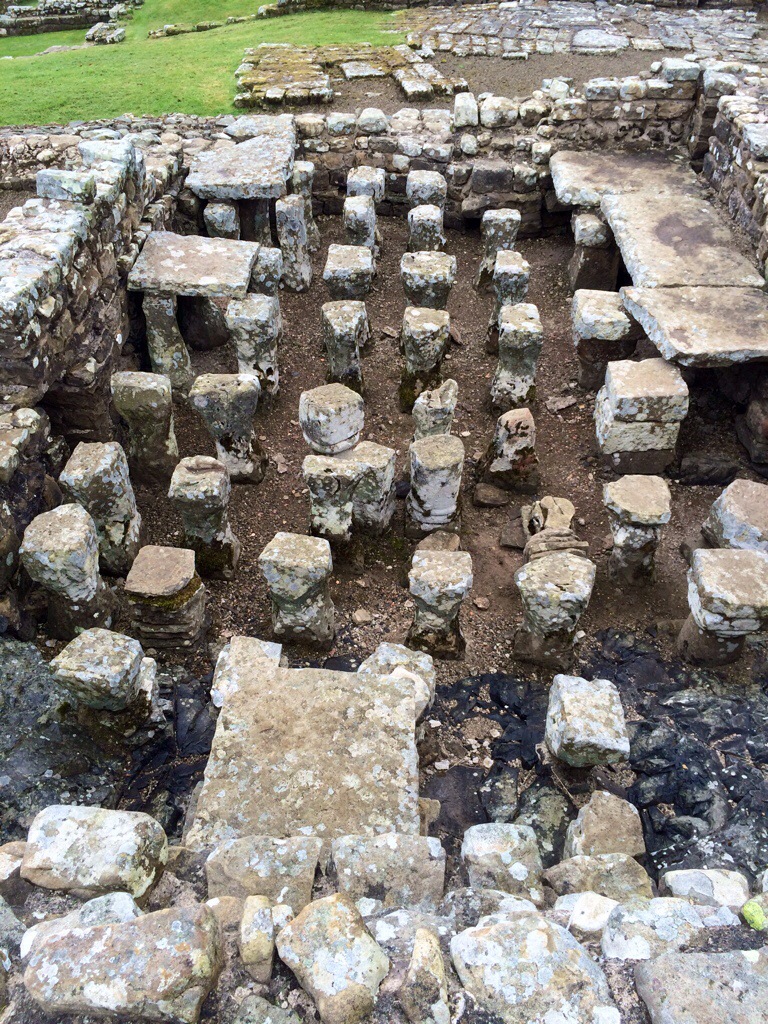
It’s amazing that these stones, built 2,000 years ago still stand. And, the influence of the Romans from roads and towns build on a grid to coins and taxes and administration, still shapes our current society. I wonder what of our modern structures will still exist in 2,000 years and what it will say about us!
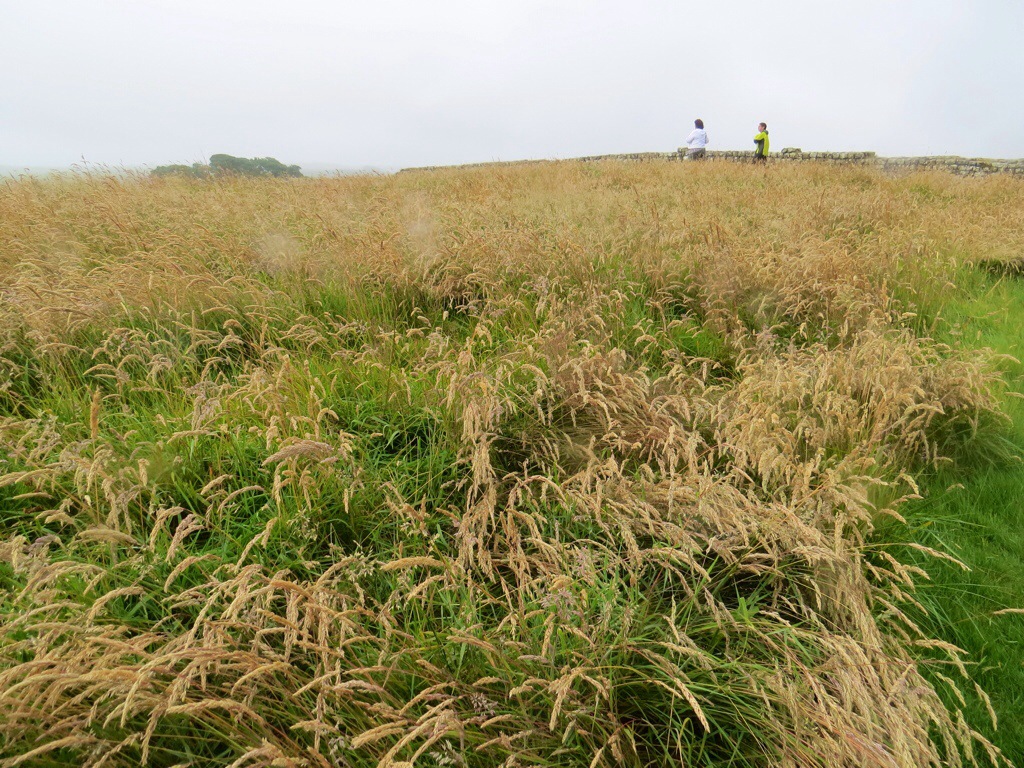
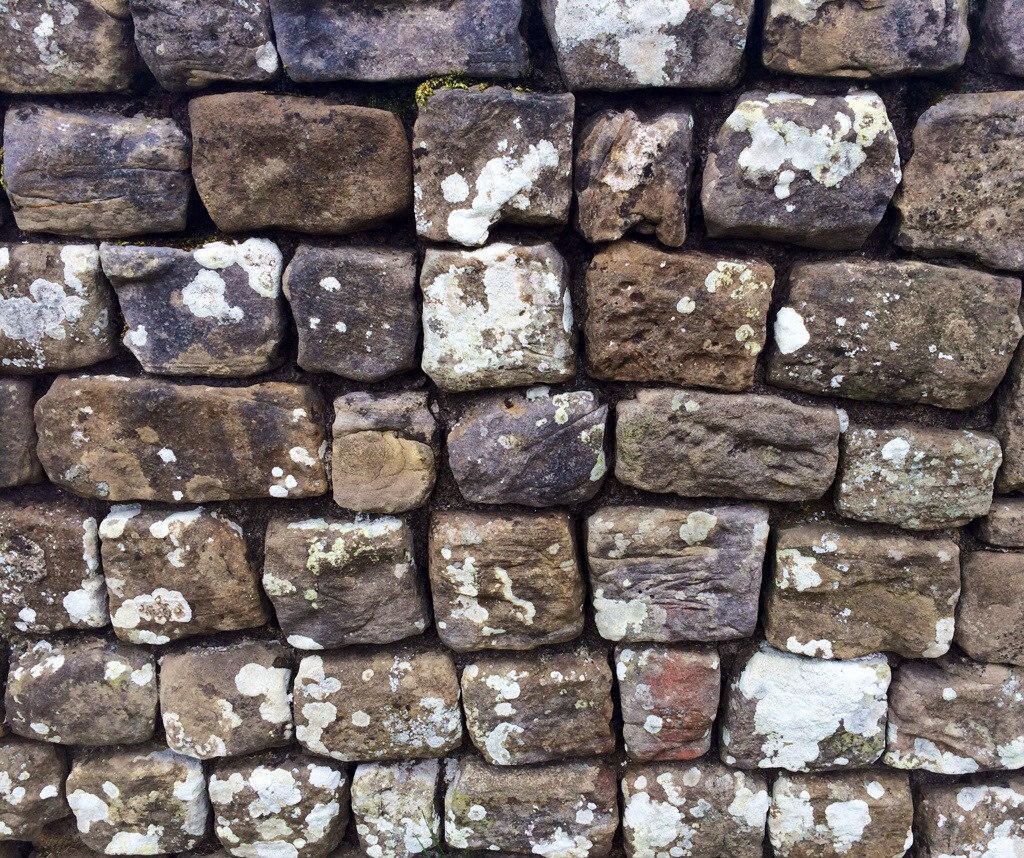
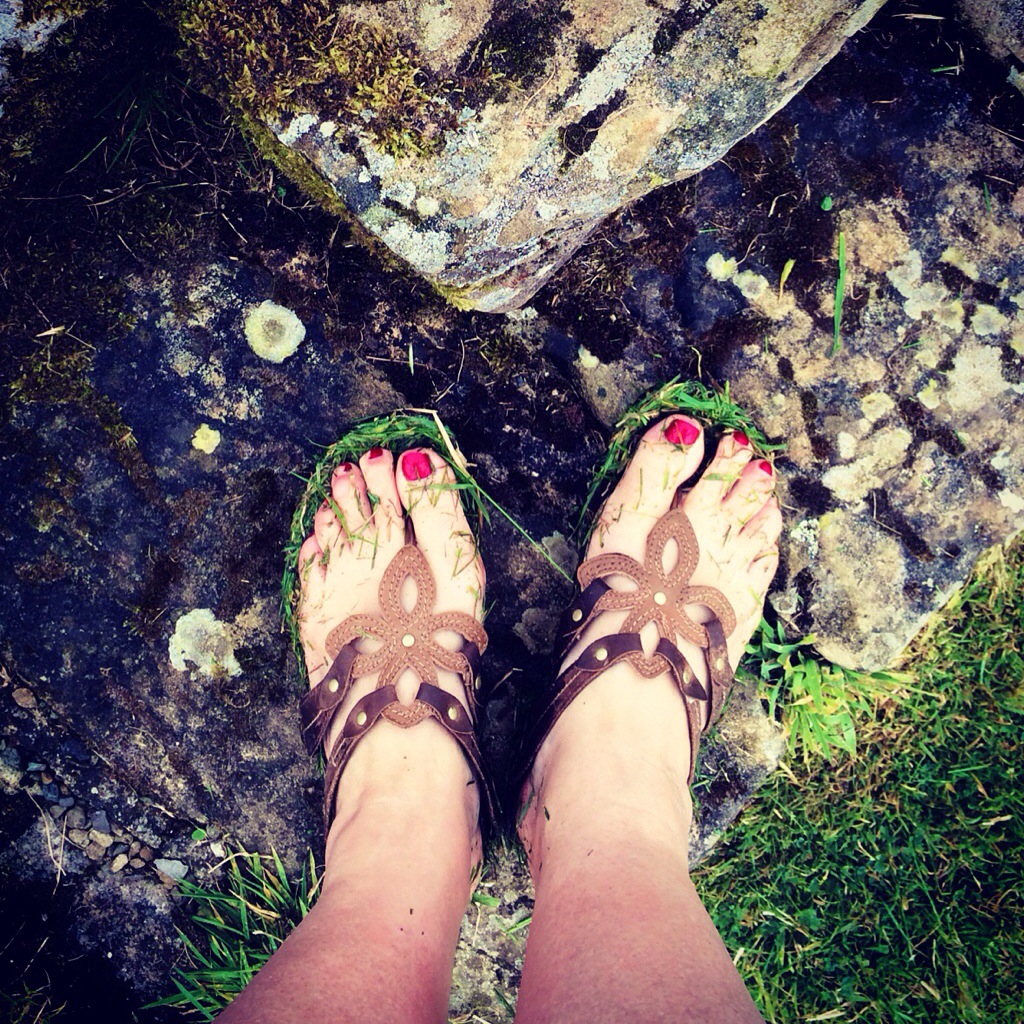
After the sun and heat of both the Outer Hebrides and Seahouses, it was a treat to have traditional cool English misty rain as we wandered around. I’m not sure how the Roman soldiers kept all the grass off their feet, though!!
In addition to seeing Lindisfarne while staying in Seahouses, I also took a boat trip out to the Farne Islands. The Farne islands are a group of small islands (between 15 and 20 depending on the tide) located off the northeast coast of Northumbria.
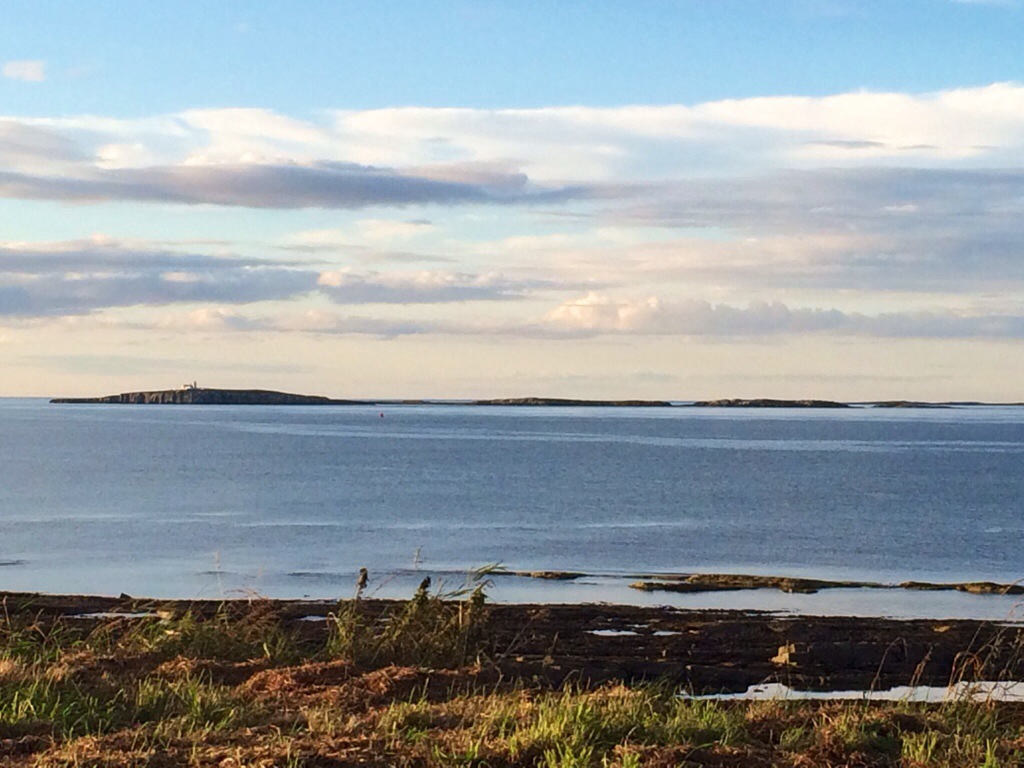
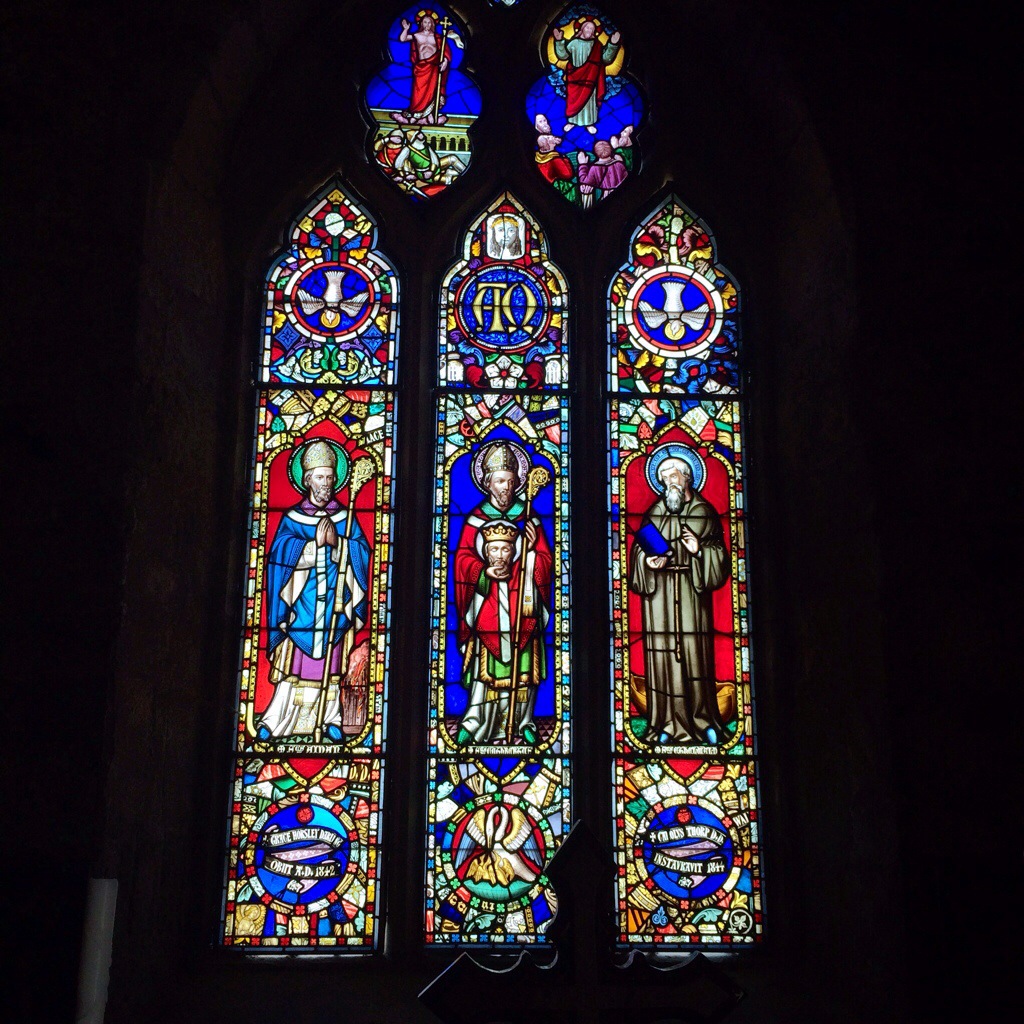
As with Lindisfarne, the islands recorded history goes back to the 6th century CE and were home to both Saint Aidan and Saint Cuthbert. A 14th century chapel dedicated to St. Cuthbert still exists on one of the islands.

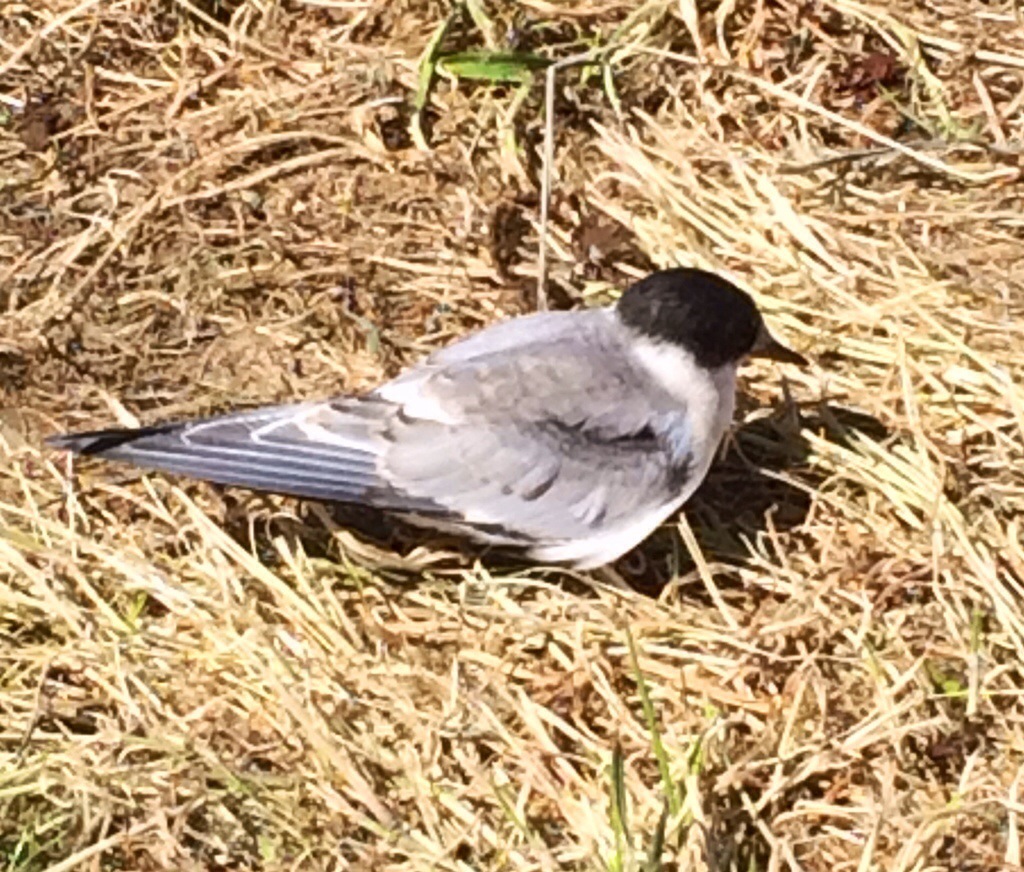
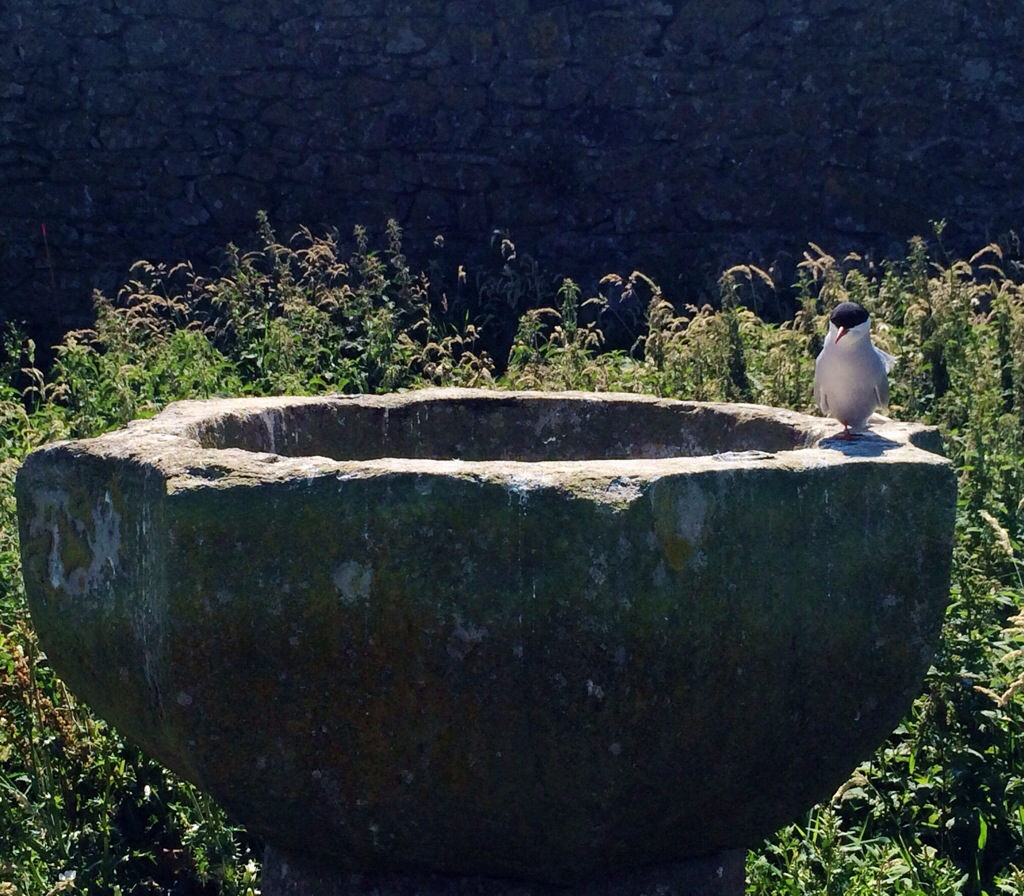
But, mostly, the islands are home to hundreds of species of birds. We saw cormorants, shags, various species of terns and puffins.

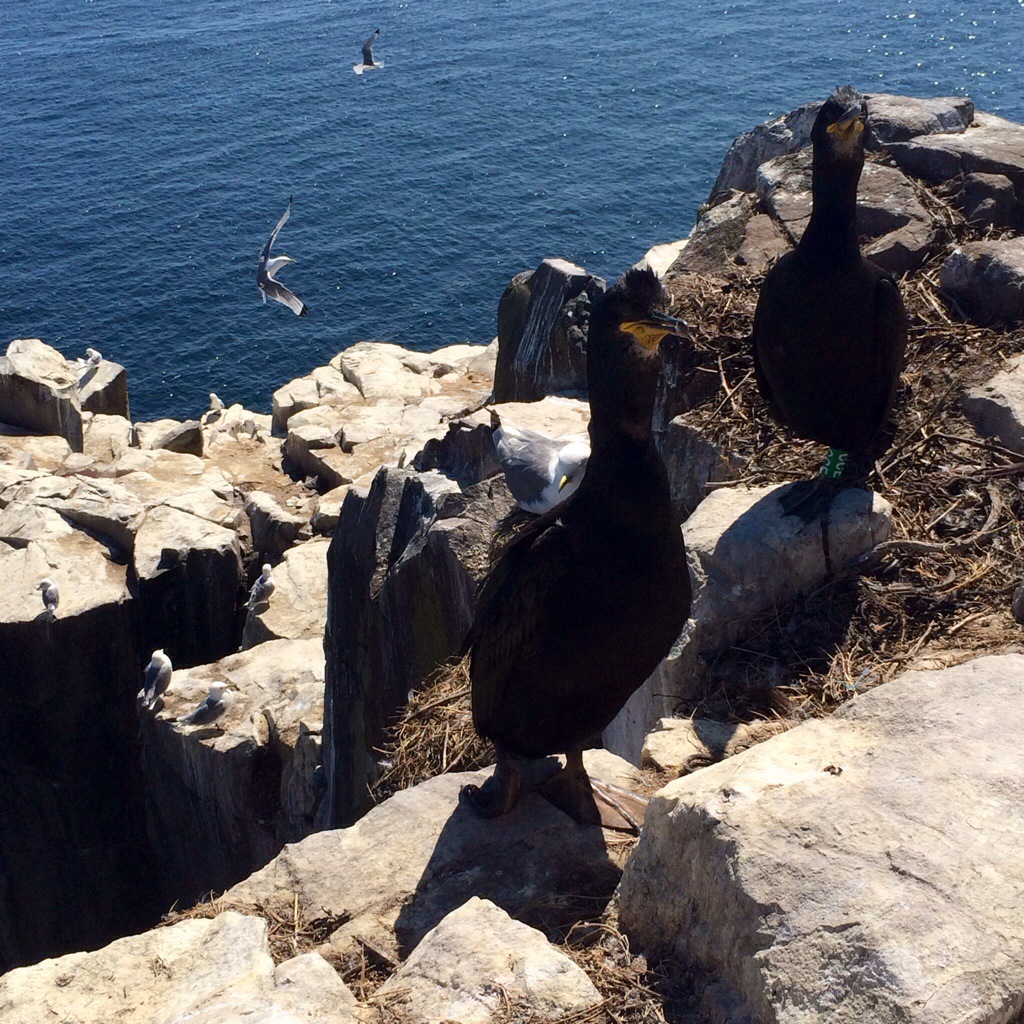
I’m not much of a birder so I was very happy that the islands are also home to thousands of seals and they swam alongside the boat checking us out as we snapped photos of them in the water and lazing in the sun on the rocks.
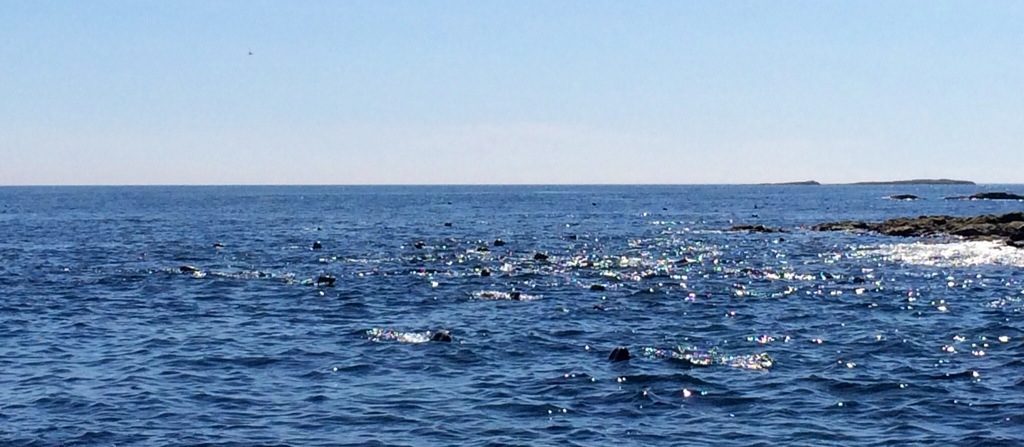
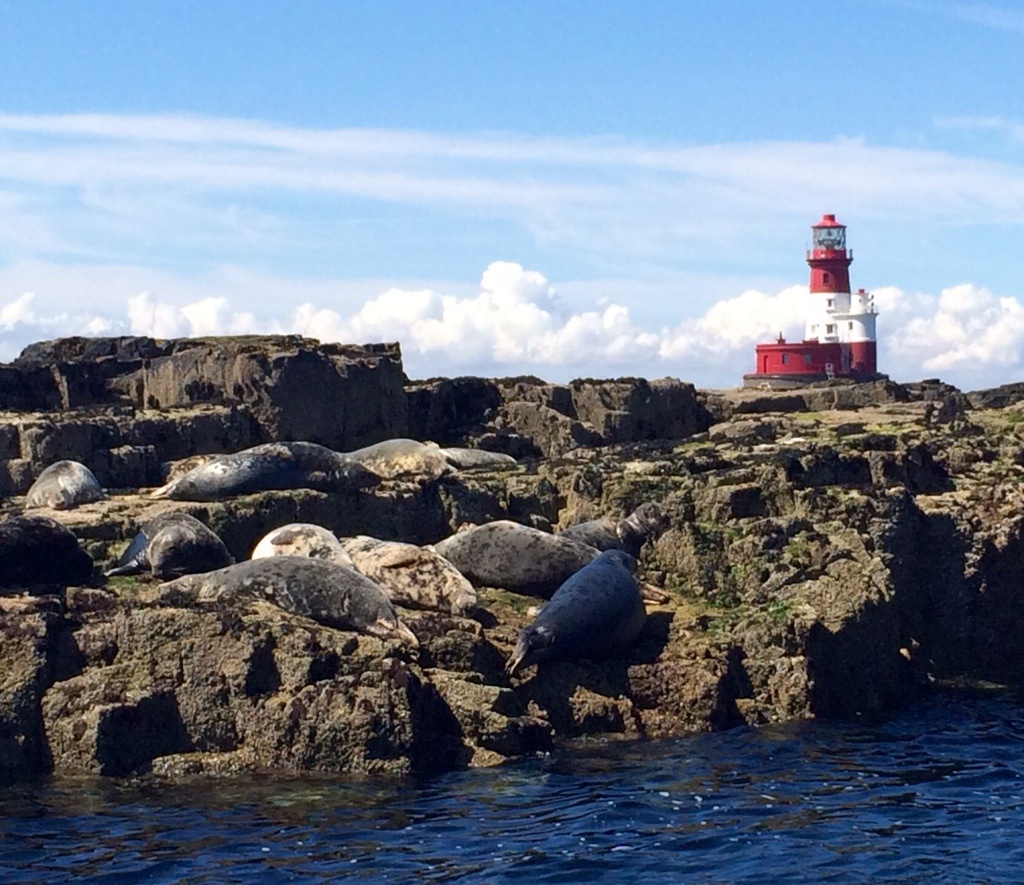
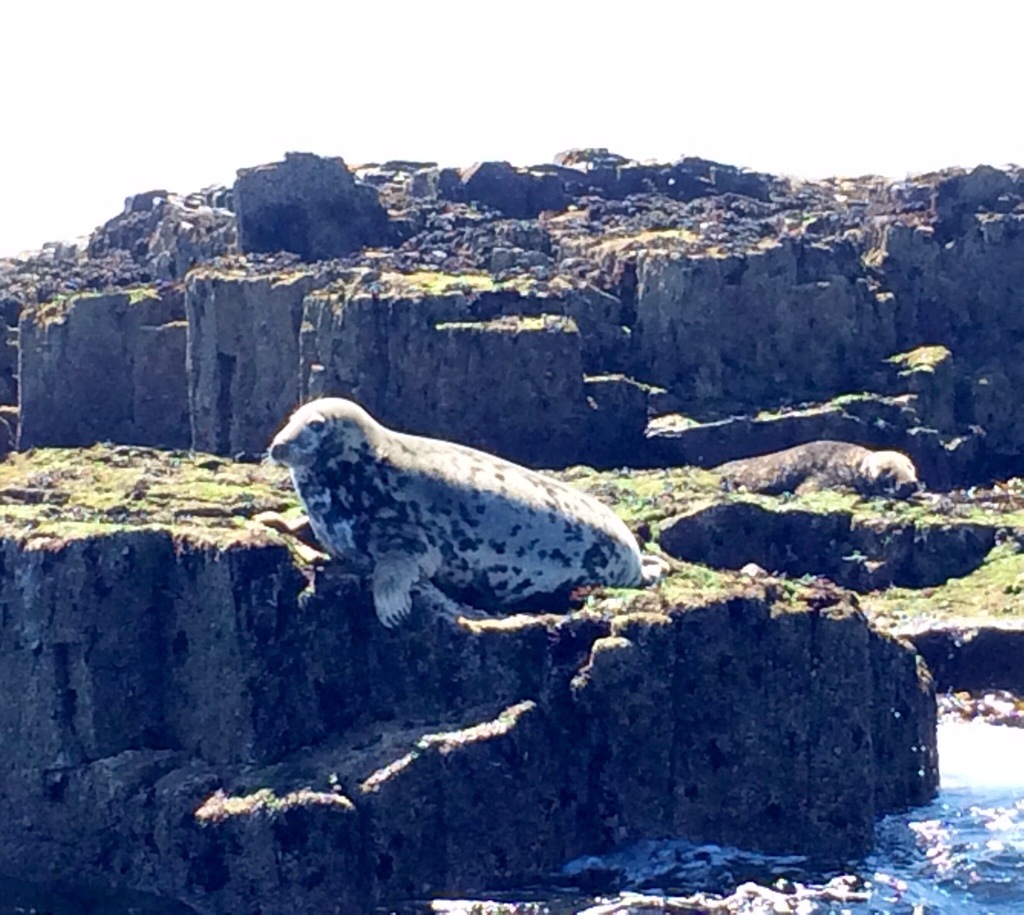
The Farne Islands are also famous for being the place where the shipwreck of the Forfarshire happened in 1838. Grace Darling, the 22 year-old daughter of the Longstone lighthouse-keeper spotted the few survivors who had managed to make it one of the islands. She and her father rescued 9 people in a strong gale and thick fog and she became a heroine who is well-known in British folklore.

After returning to the dock, we enjoyed a large pile of fish and chips and then ended our day with a walk along the beach.
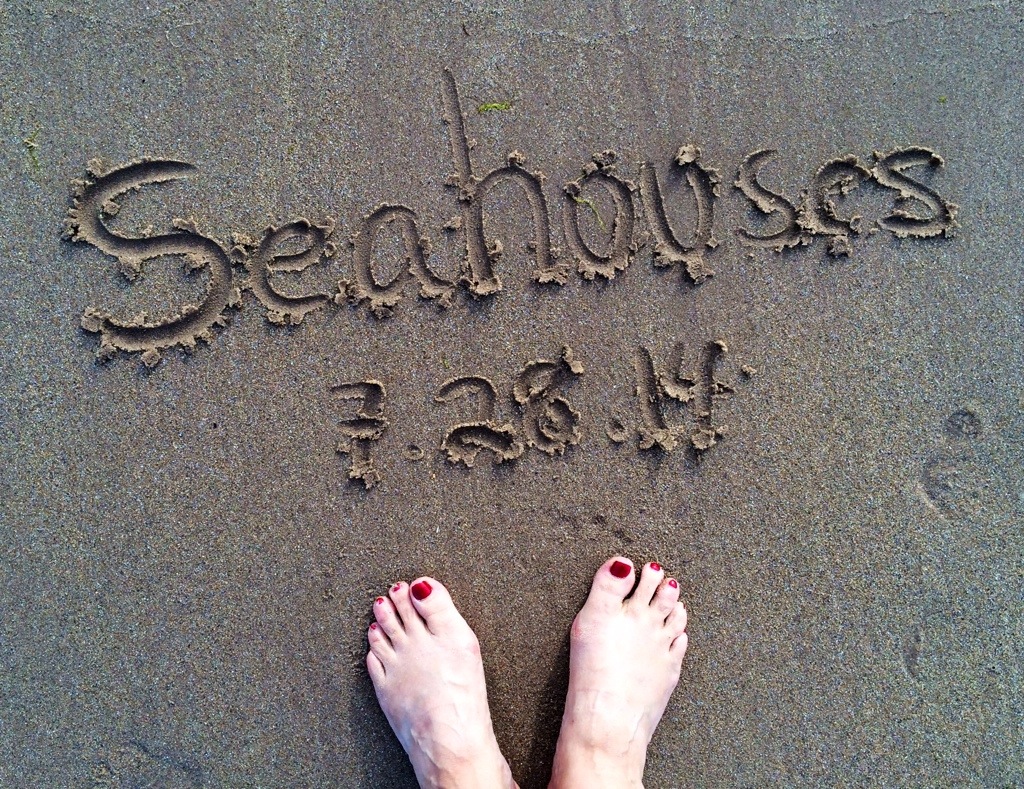

Over the past few days, I have been hanging out in and around Seahouses, on the Northumbrian Coast in England. This gave me a chance to visit Lindisfarne, known as the Holy Isle.
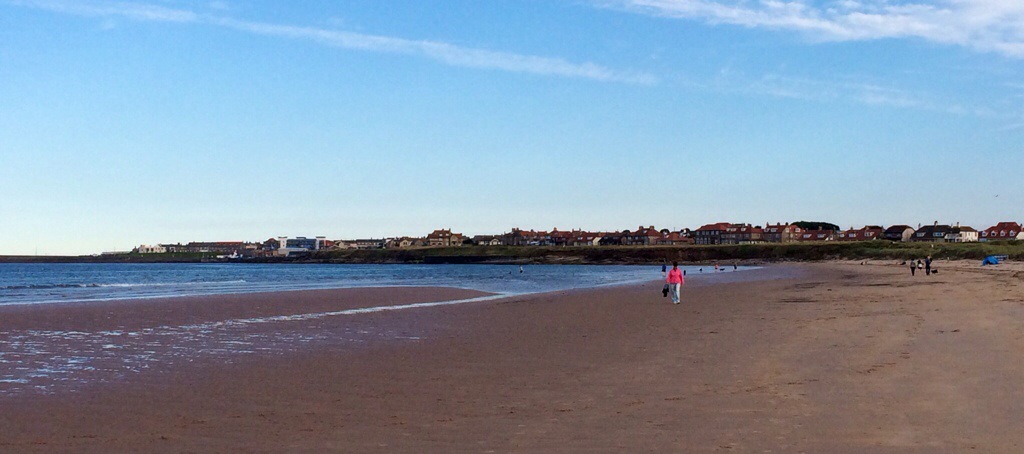
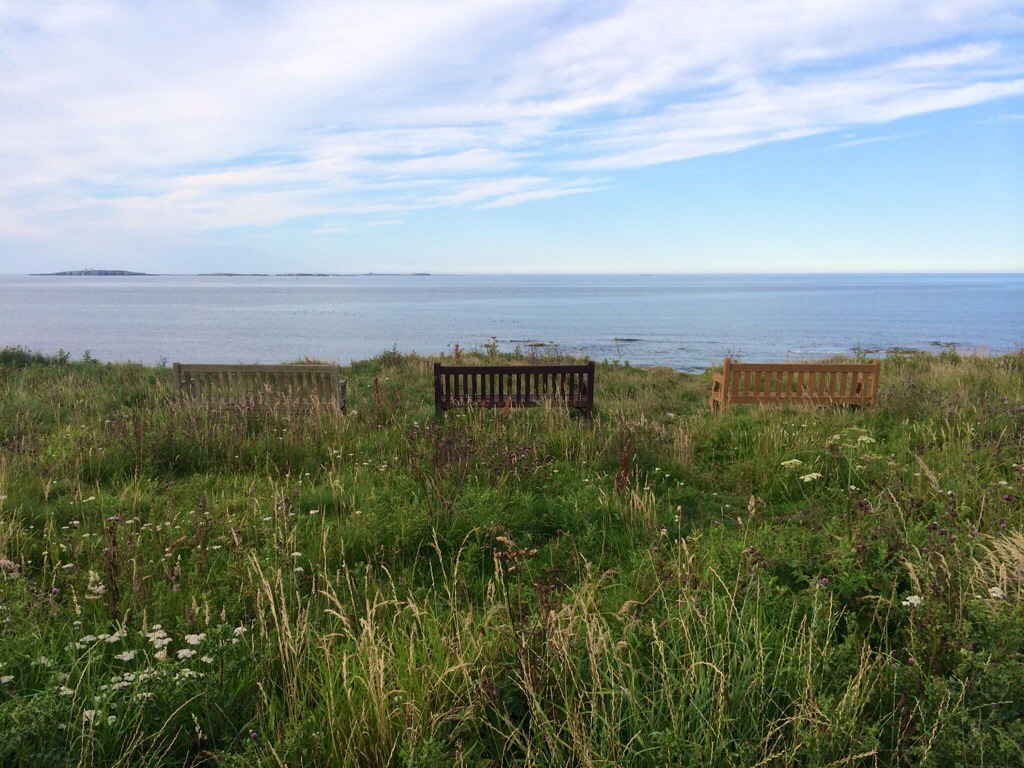
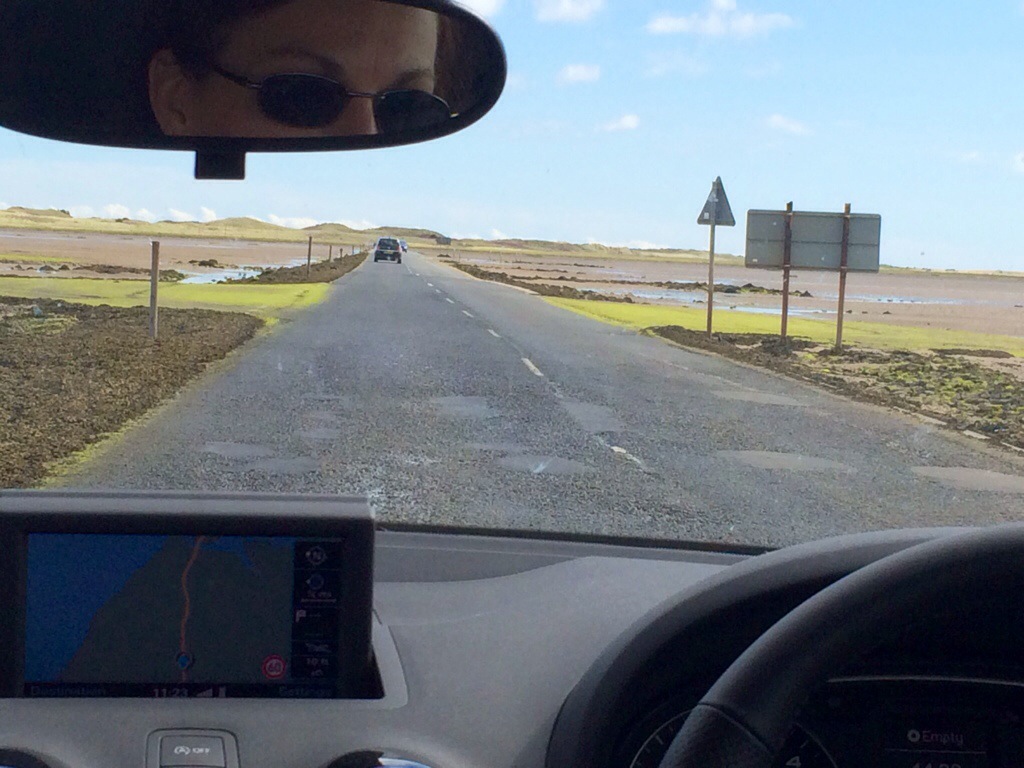
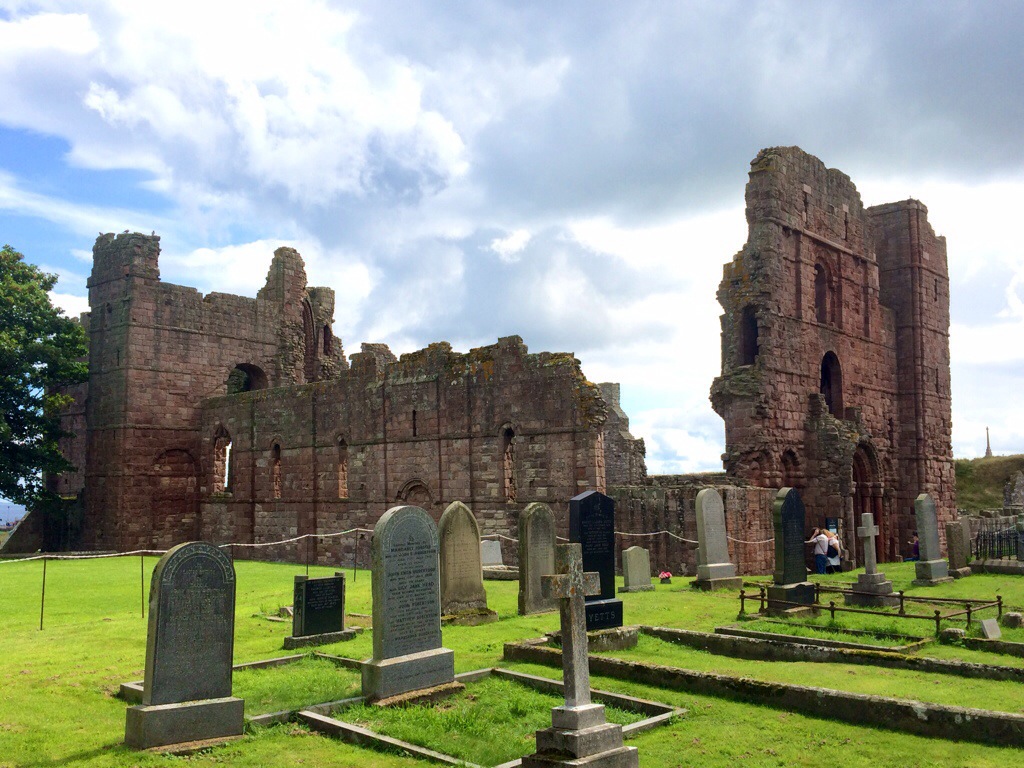
Lindisfarne, the Holy Island, is a tidal island. At low tide, it can be reached by a long causeway. At high tide, it’s an island. So, timing the visit was key! The island has a recorded history that dates back to the 6th century and it was a key location during Celtic Christianity. In 634 CE, Saint Aidan established a priory on the island and Lindisfarne became the base for Christian evangelising in the North of England. monks from the Irish community of Iona settled on the island and Northumberland’s patron saint, Saint Cuthbert, was a monk and later abbot of the monastery. The priory was re-established after the Norman Conquest (11th century).

In 1550, a castle was built on the headland of the island. Originally built for defense, the Castle is fairly small (by castle standards) and has been used as a lookout and garrison over the years.

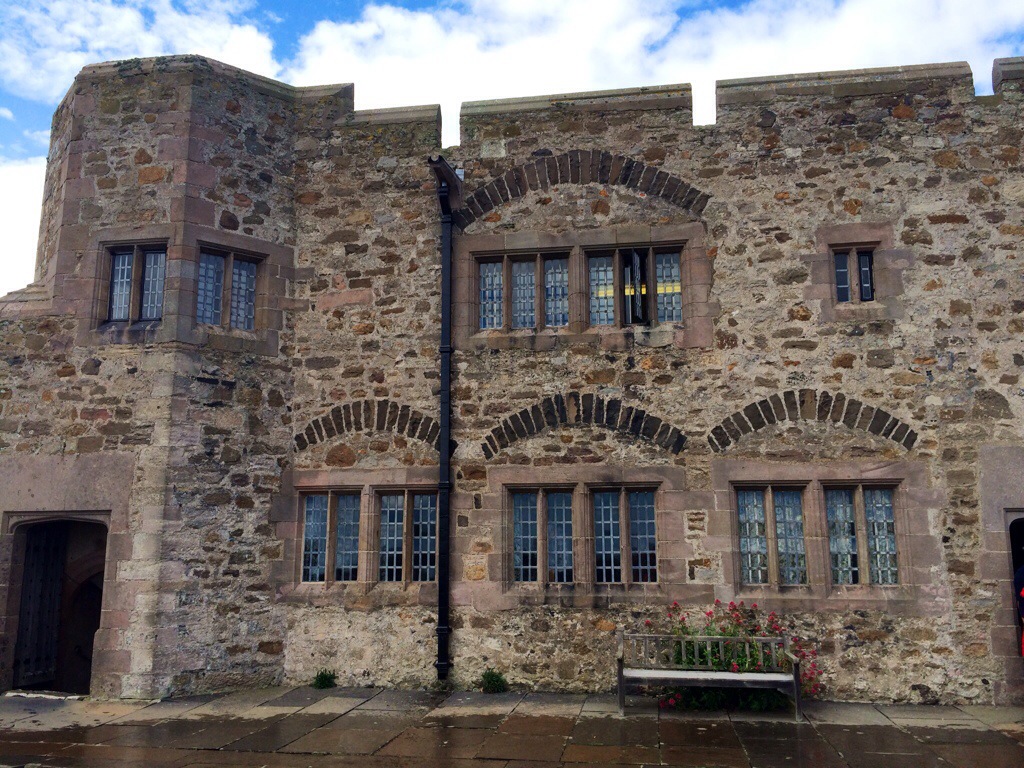
In 1901, it became the property of Edward Hudson, a publishing magnate and the owner of Country Life magazine. He had it refurbished in the Arts and Crafts style by Sir Edwin Lutyens. It has been operated by the National Trust since 1944.
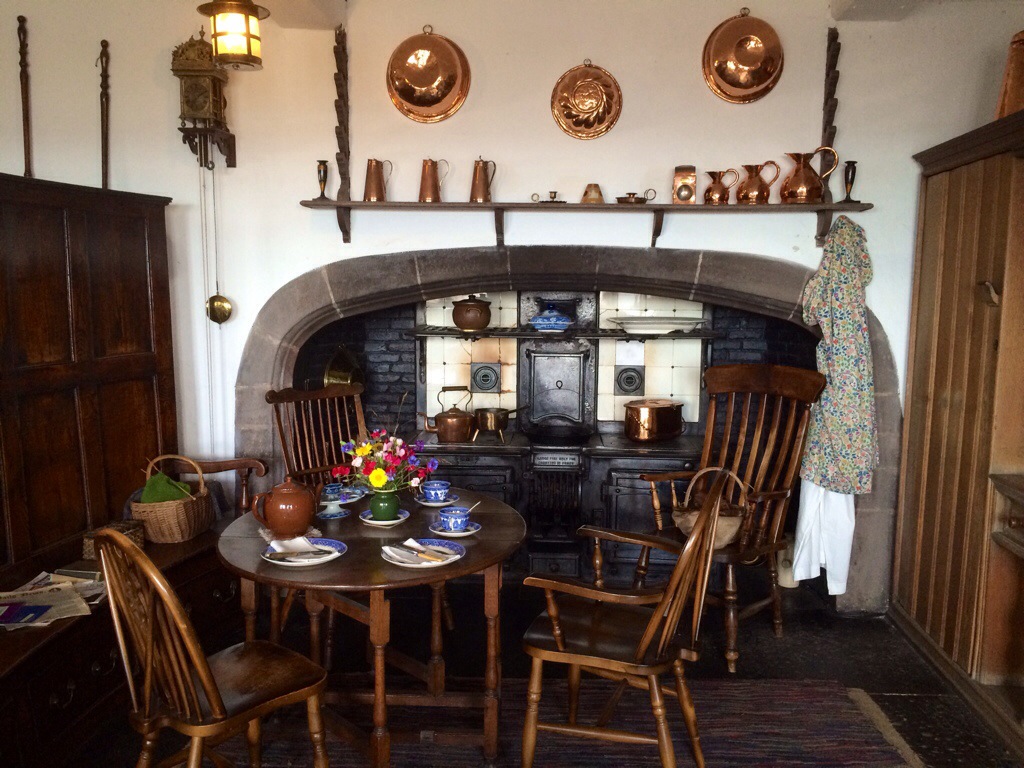
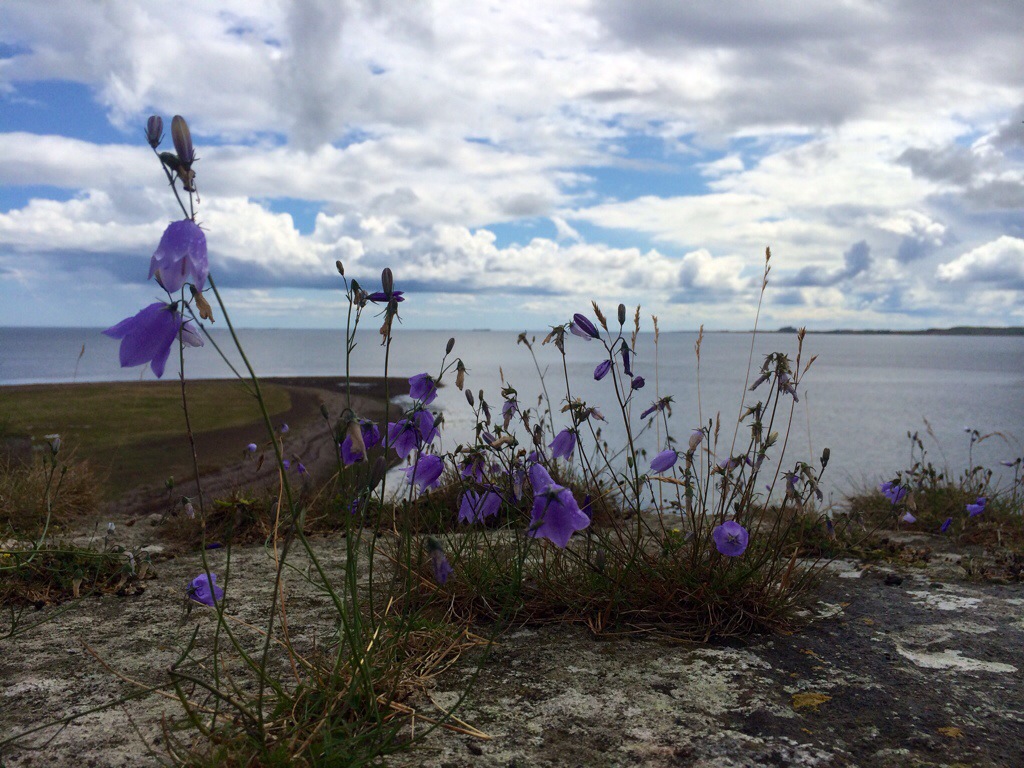
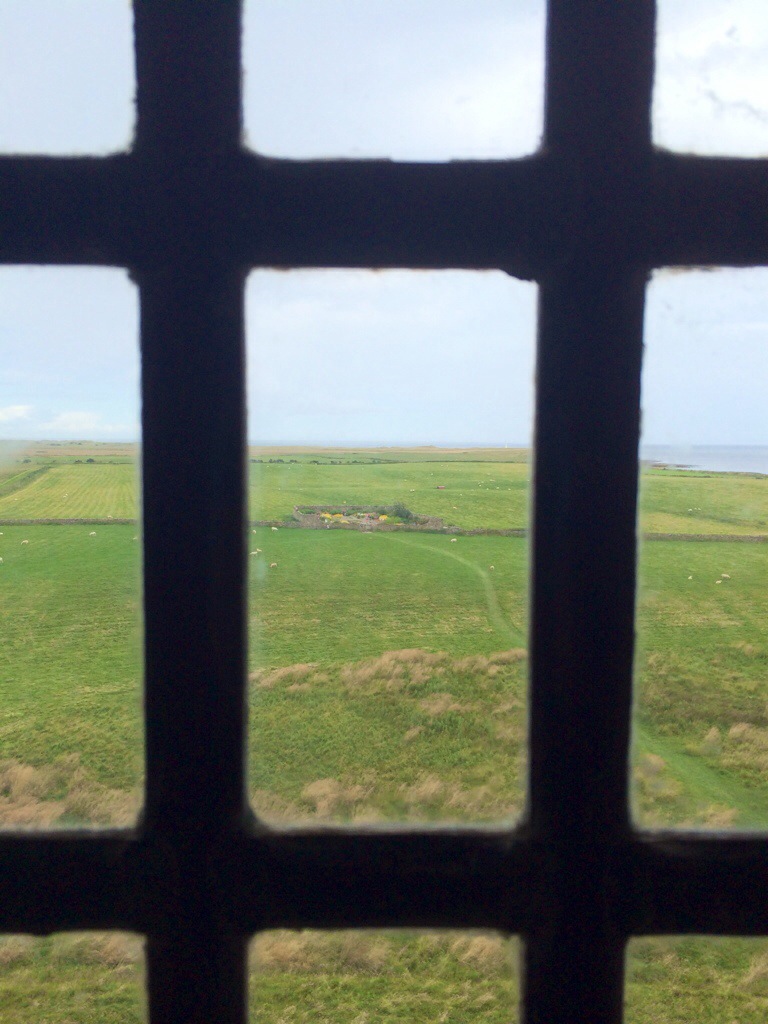
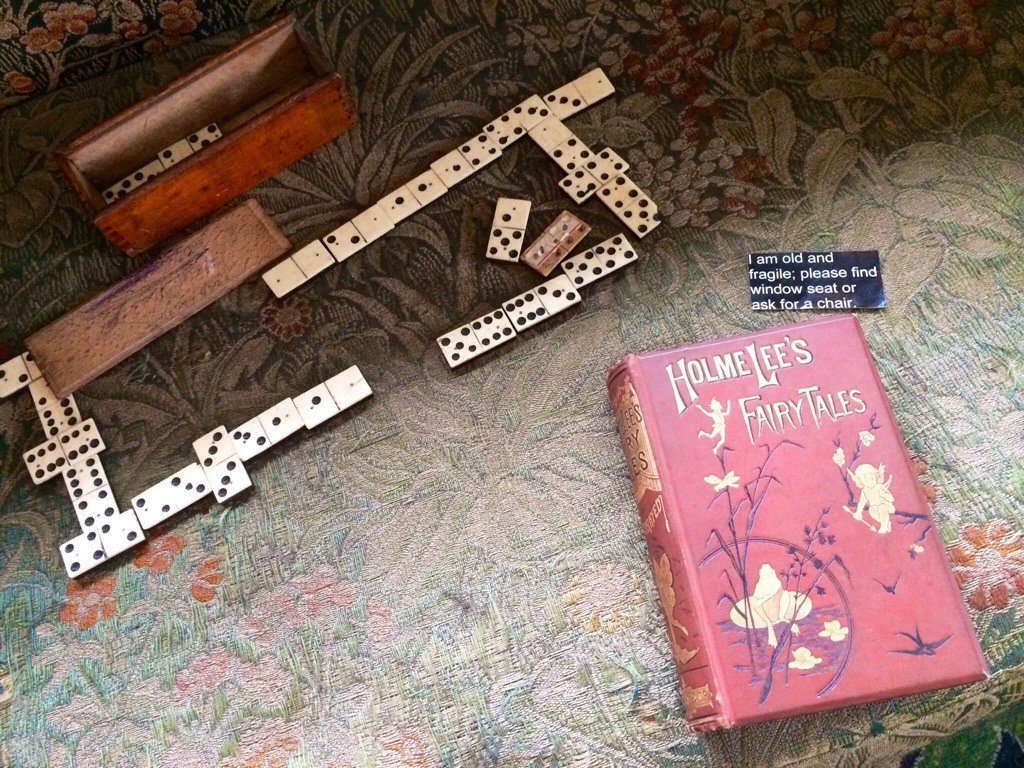
I really liked the Castle and it looked like a great place to live! Lots of window seats with views over the oean. Indoor modern plumbing and a lovely garden. I was ready to move in!!
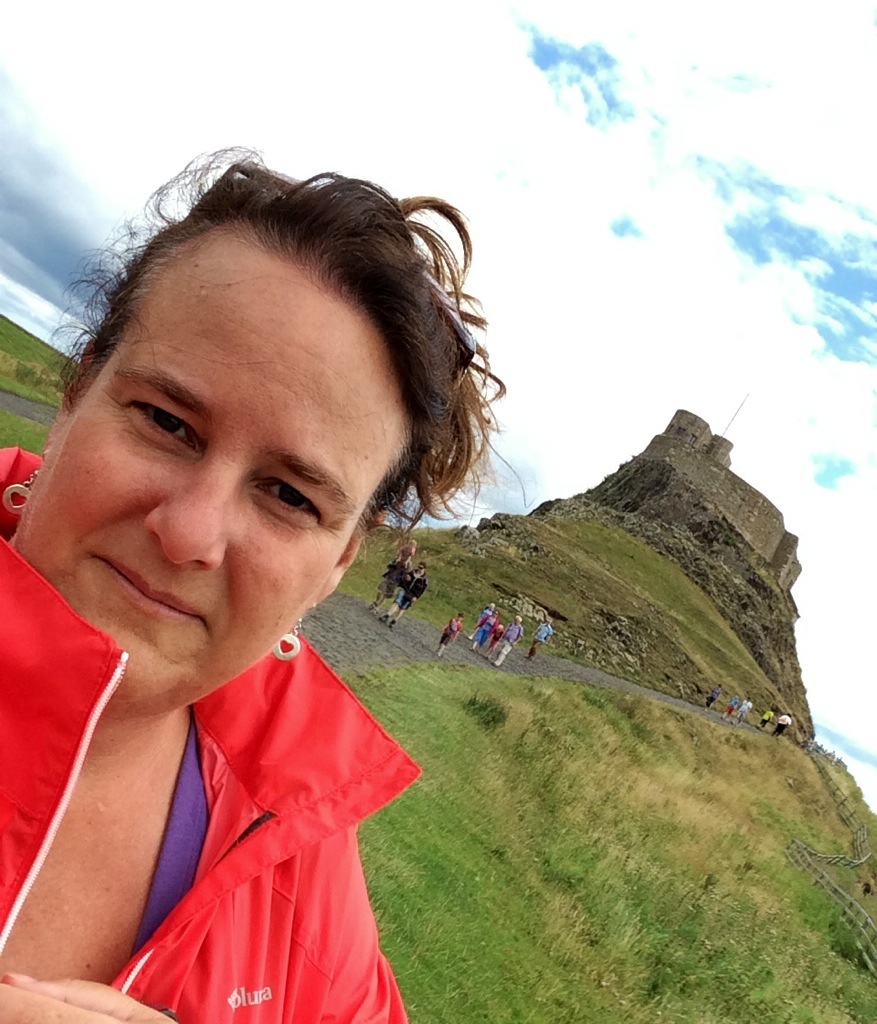
On Tuesday July 22, we had our longest day of hiking (about 12 km) from the beach at Huisinis. Huisinis, pronounced hoosh-ih-noosh (or something like that!) is a word derived from Norse which means “house headland”. An apt description as the community consists of four houses at the end of a single track road.

On the way to Huisinish we stopped at the workshop of Donald John Mackay, a weaver of Harris tweed. In order to be called Harris Tweed, the fabric must be woven on either Harris or Lewis. Donald has been weaving his whole life and learned the craft from his Father. The colours and patterns of the tweed are very much taken from the landscape around the island; the browns, greens and purples seen in the plants and rocks of the hills.

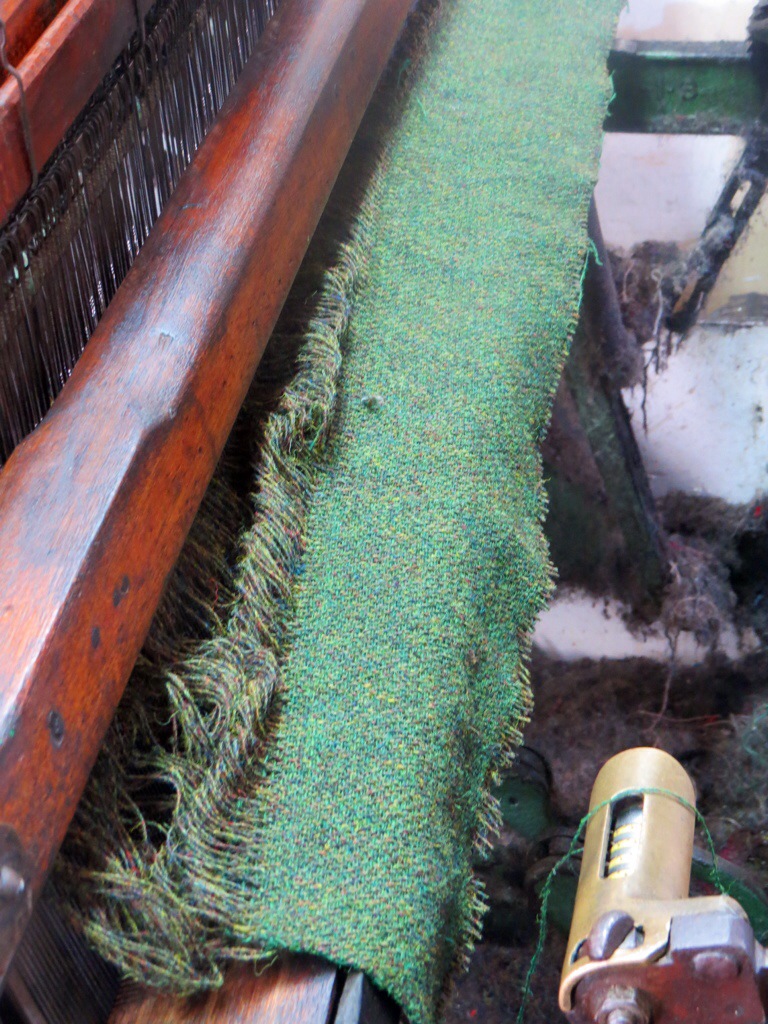


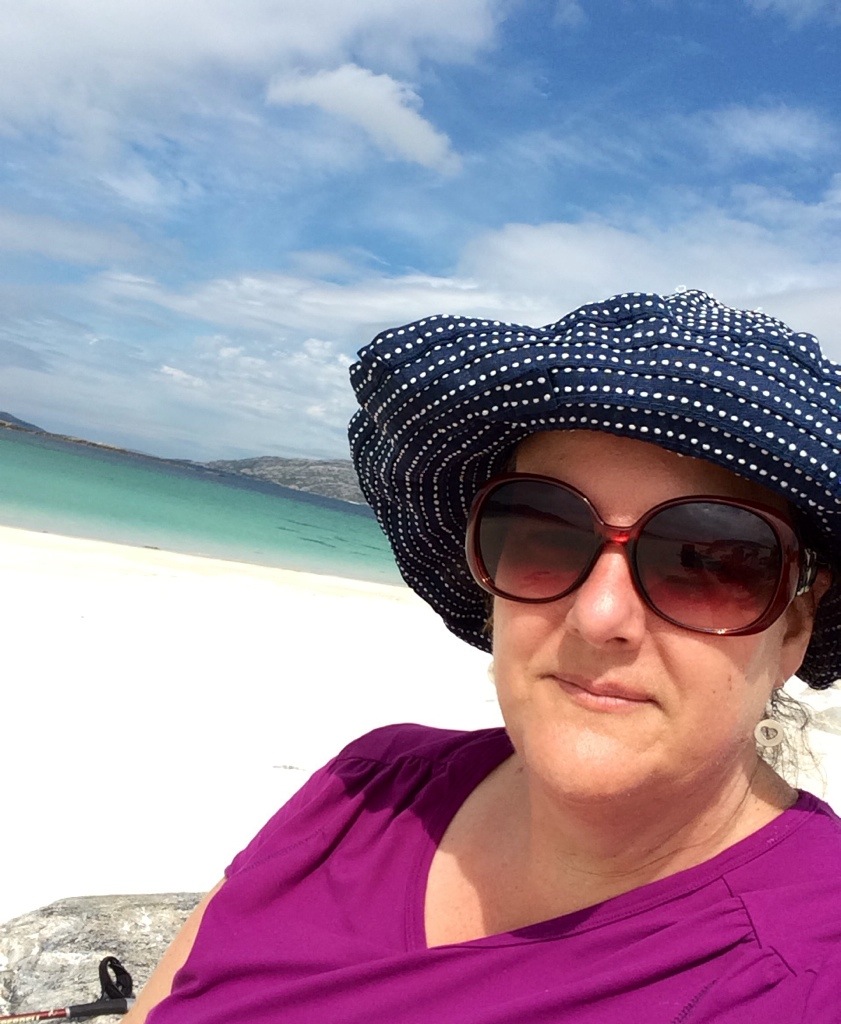
After marveling over the beautiful tweed, we were off to the beach at Huisinis to start our trek. Given my panic-attack-vertigo-freak-out on the hike over the Quiraing, our guide made sure I knew that we were hiking over a mountain with a rocky, steep path and gave me the option of staying behind on the beach. Those of you who know me will know what I chose. After saying I wouldn’t willingly hike over a mountain again … yup, this time I did it willingly! Happy to report that while the trek was physically challenging, with the help of my amazing sister and a walking pole, I made it over the hill. It probably helped that we were headed for a beautiful looking beach so I was able to focus on that as my goal. In the first photo below, you can see the mountain on the right, with the beach off in the distance on the left.


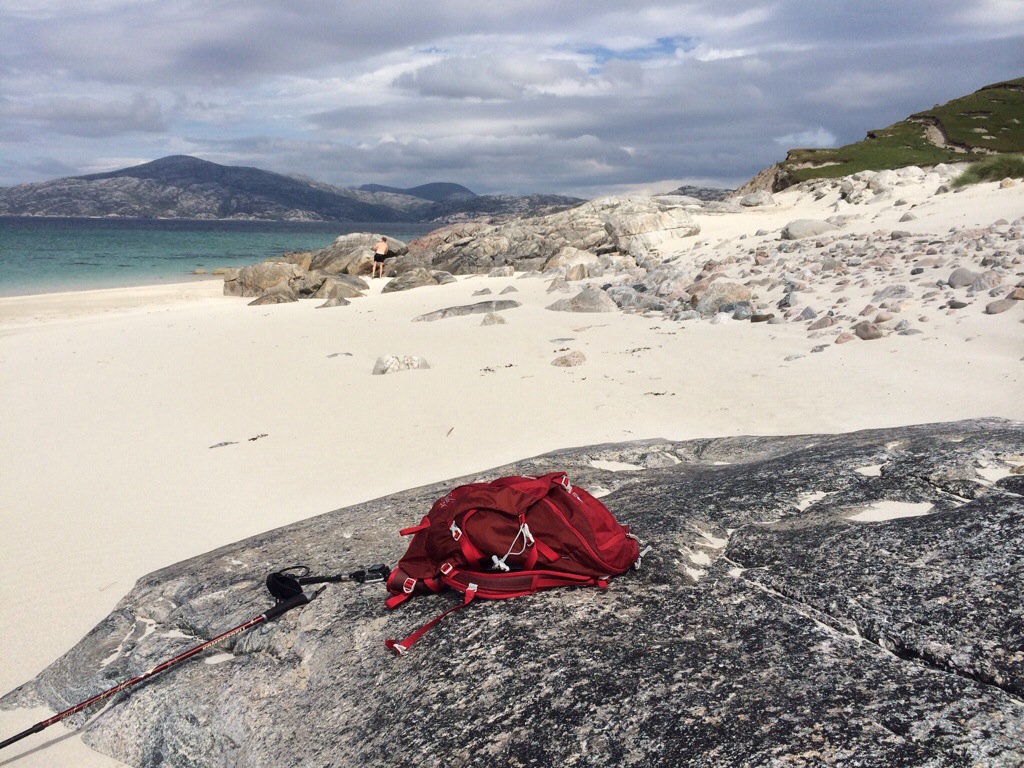
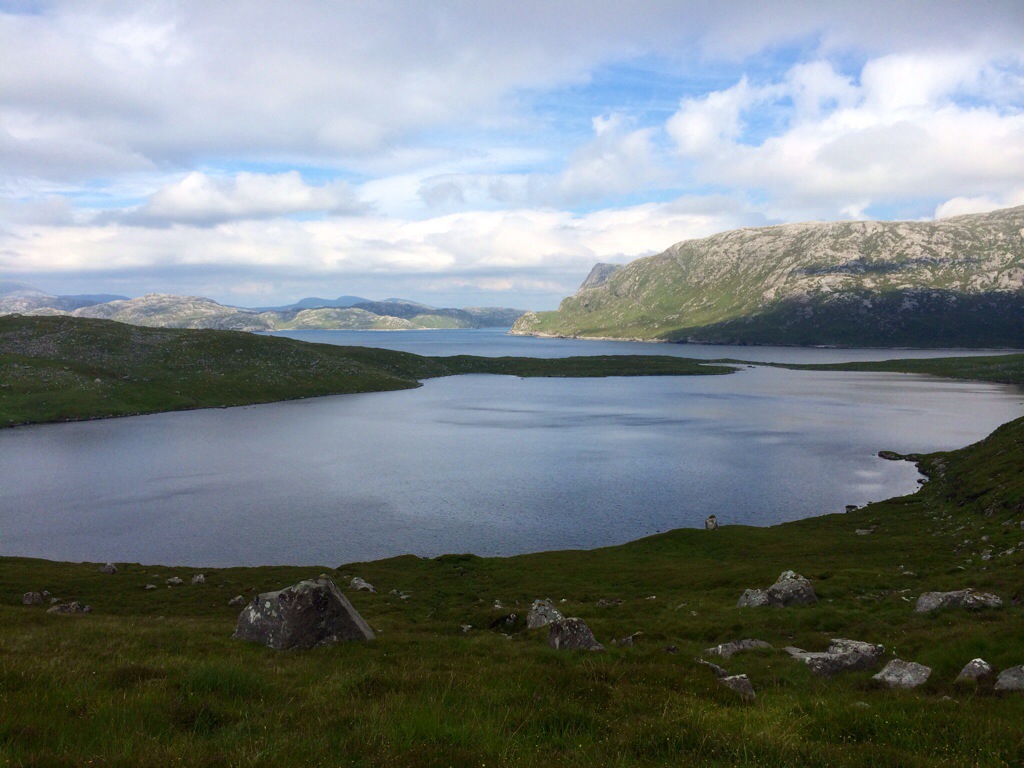
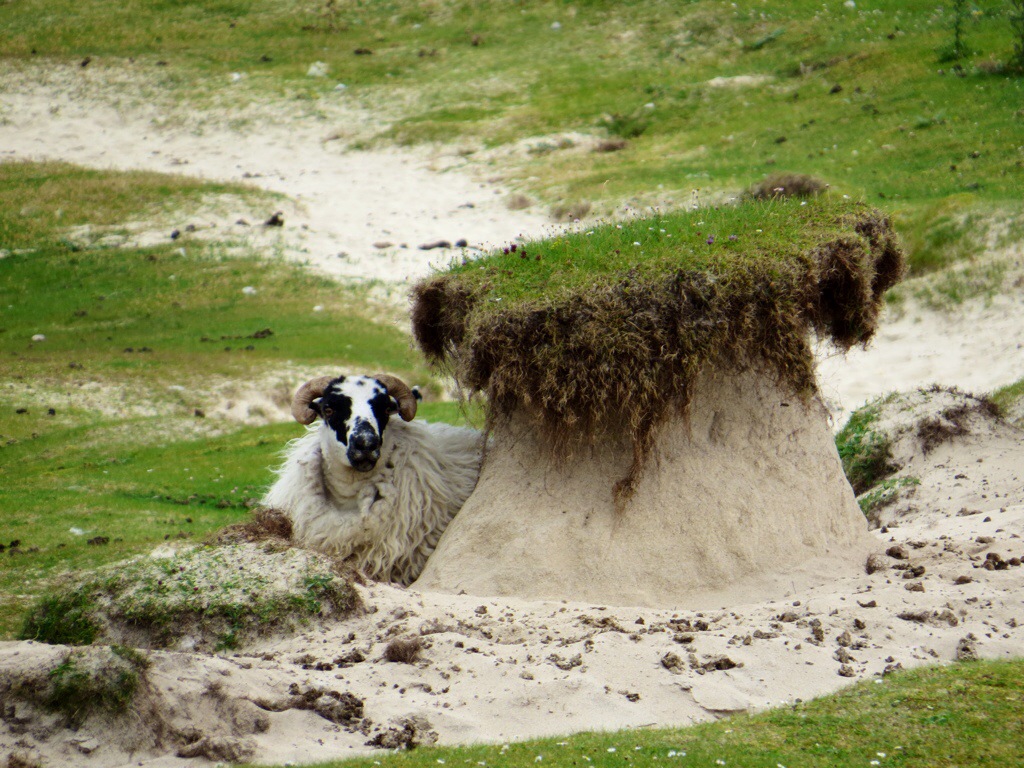
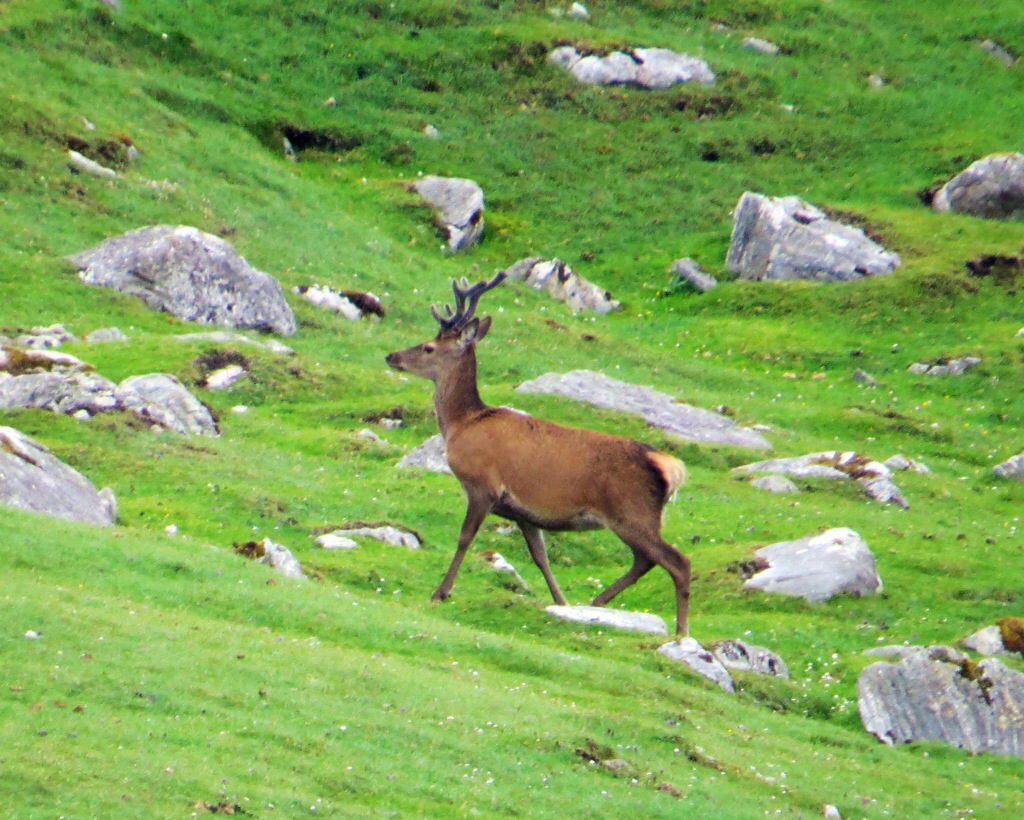
Having achieved the beach, we took a short lunch break and then went around the headland of the beach and climbed up to a loch. Truly a beautiful spot, with the freshwater loch butting up against the salt water of the sea. In addition to lots of sheep, we were lucky enough to spot a red deer.
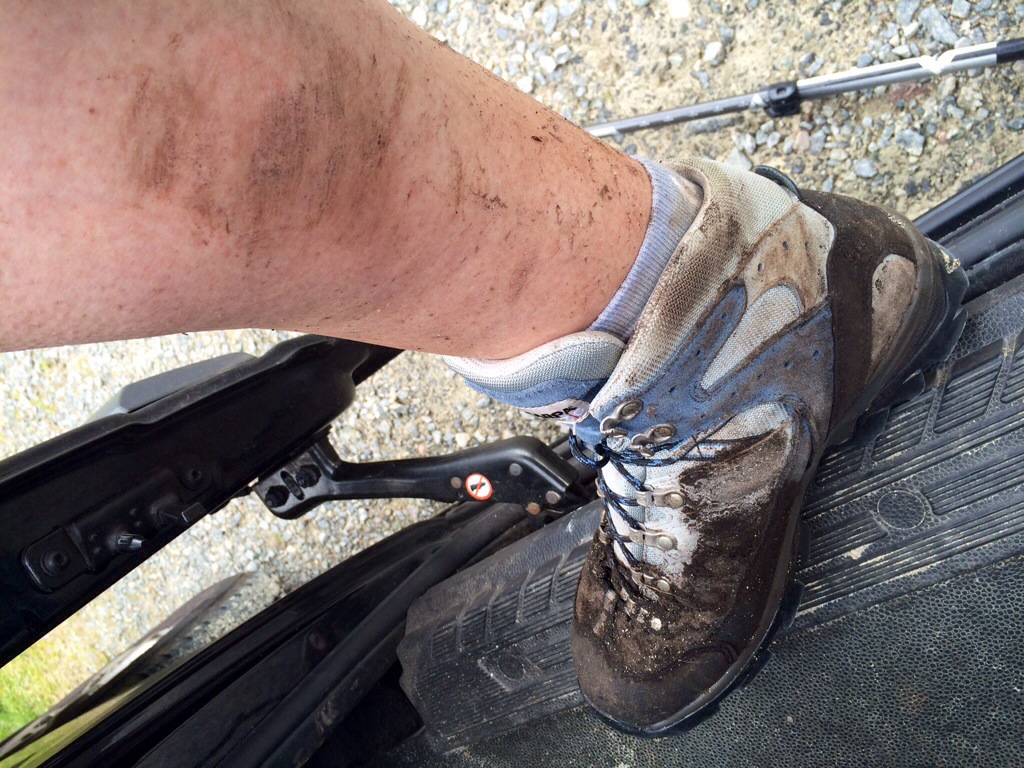
The trek up the hill from the loch back to the mountain path was definitely the hardest part. I honestly wasn’t sure if I could do it but having no choice I just tried to quiet the voice in my head saying “I can’t believe you did this willingly” and keep on putting one foot in front of the other. It was hot, humid, boggy, muddy and buggy – flies, midges and ticks! Making it to the top was a very proud moment – a hot and sweaty, proud moment!!
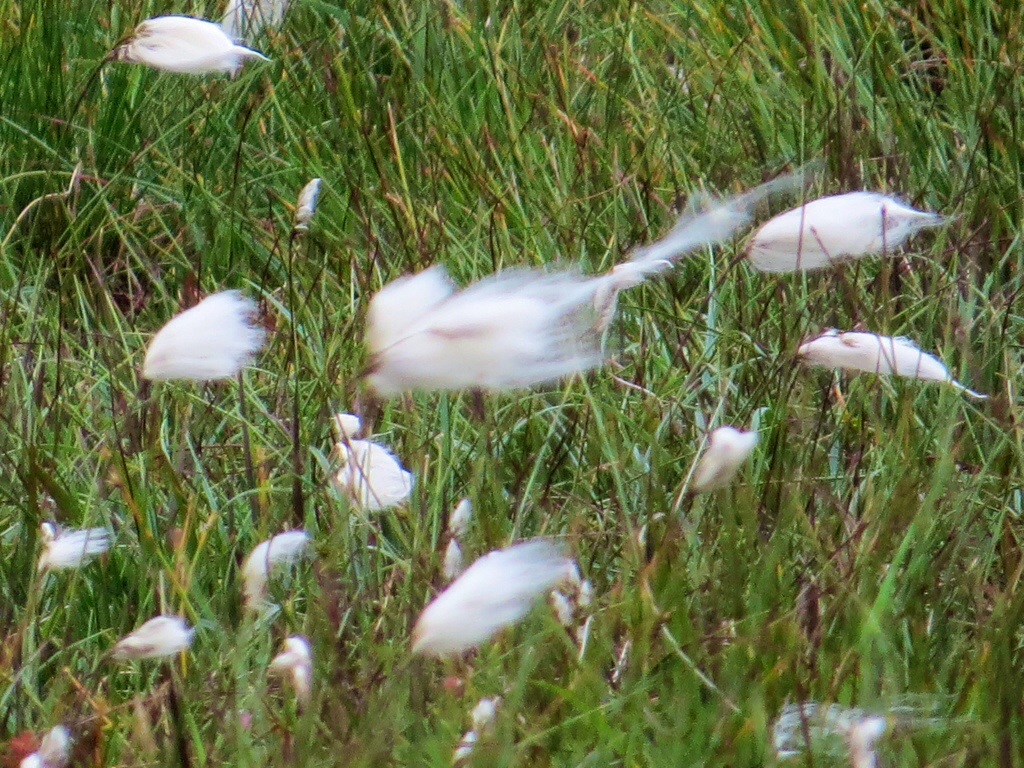
After the trek up the boggy hill from the loch, the hike back over the mountain seemed pretty easy! I truly realized how far I’d come (mentally and physically not geographically) when we reached a point in the path where we discovered that the people in the lead had gone off the hiking trail and we were, in fact, about 20 feet below the path following a sheep trail. In order to get back on the trail to get around the headland, we had to scramble straight up the hill. No path, just rocks. No problem!
Back at the van, we enjoyed the cake that our B&B hostess had packed for us and then headed back “home” for the best shower ever!!!!

 A Fish and a Bicycle